


Your First Spa Session Explained: What Really Happens, How to Prepare, and What to Expect
For many people, booking a spa session sounds relaxing in theory—but confusing or even intimidating in practice. What actually happens behind those calm doors? What should you wear? Do you talk or stay silent? And which treatments are best if you’ve never been to a spa before?
This detailed guide is designed specifically for first-timers. It explains every step of a spa visit—from arrival to aftercare—in simple terms, removes common fears, and helps you choose the right treatments with confidence. Whether you’re visiting a luxury spa, a resort spa, or a wellness center, this article will prepare you fully so your first spa experience is relaxing, comfortable, and truly enjoyable.
What Is a Spa Session, Really?
A spa session is a structured wellness experience focused on relaxation, stress relief, physical recovery, and mental balance. Depending on the spa and the treatment you choose, it may include massage, heat therapy, skincare, body treatments, or water-based rituals.
A typical spa session is not rushed. Everything—from lighting to scent to sound—is intentionally designed to slow you down and help your body shift from “stress mode” into “rest mode.”
For first-time visitors, the key thing to understand is this:
A spa is not about beauty or luxury. It’s about care and recovery.
Before You Go: How to Prepare for Your First Spa Visit
1. Book the Right Treatment
If this is your first spa session, avoid complex or intense treatments. Simple, classic options are best:
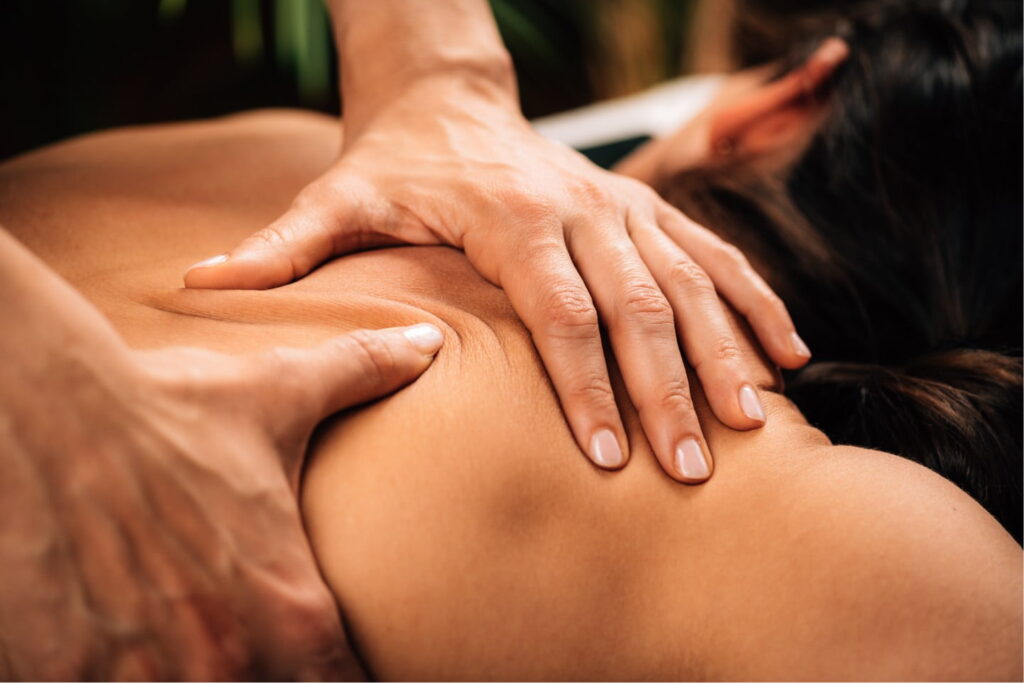
- Full body massage
- Relaxation massage
- Swedish massage
- Basic facial
- Sauna + massage combination
Avoid deep tissue, intense scrubs, or long multi-hour rituals until you understand how your body reacts.
2. Eat Lightly Before Your Session
Do not arrive hungry, but also avoid heavy meals. A light snack 1–2 hours before is ideal. Heavy food can make you uncomfortable during massages or heat treatments.
3. Arrive Early
Arriving 15–30 minutes early allows you to:
- Fill out consultation forms
- Change clothes calmly
- Use sauna or steam rooms (if included)
- Relax mentally before treatment
Rushing ruins the experience.
4. Shower Before Arrival (If Possible)
While spas are clean and professional, arriving fresh helps you feel more comfortable and relaxed.
What to Wear to a Spa (And What Not to Worry About)
What You Wear When You Arrive
- Comfortable clothes
- Easy-to-remove shoes
- No heavy makeup
- Minimal jewelry
During the Treatment
You will usually be given:
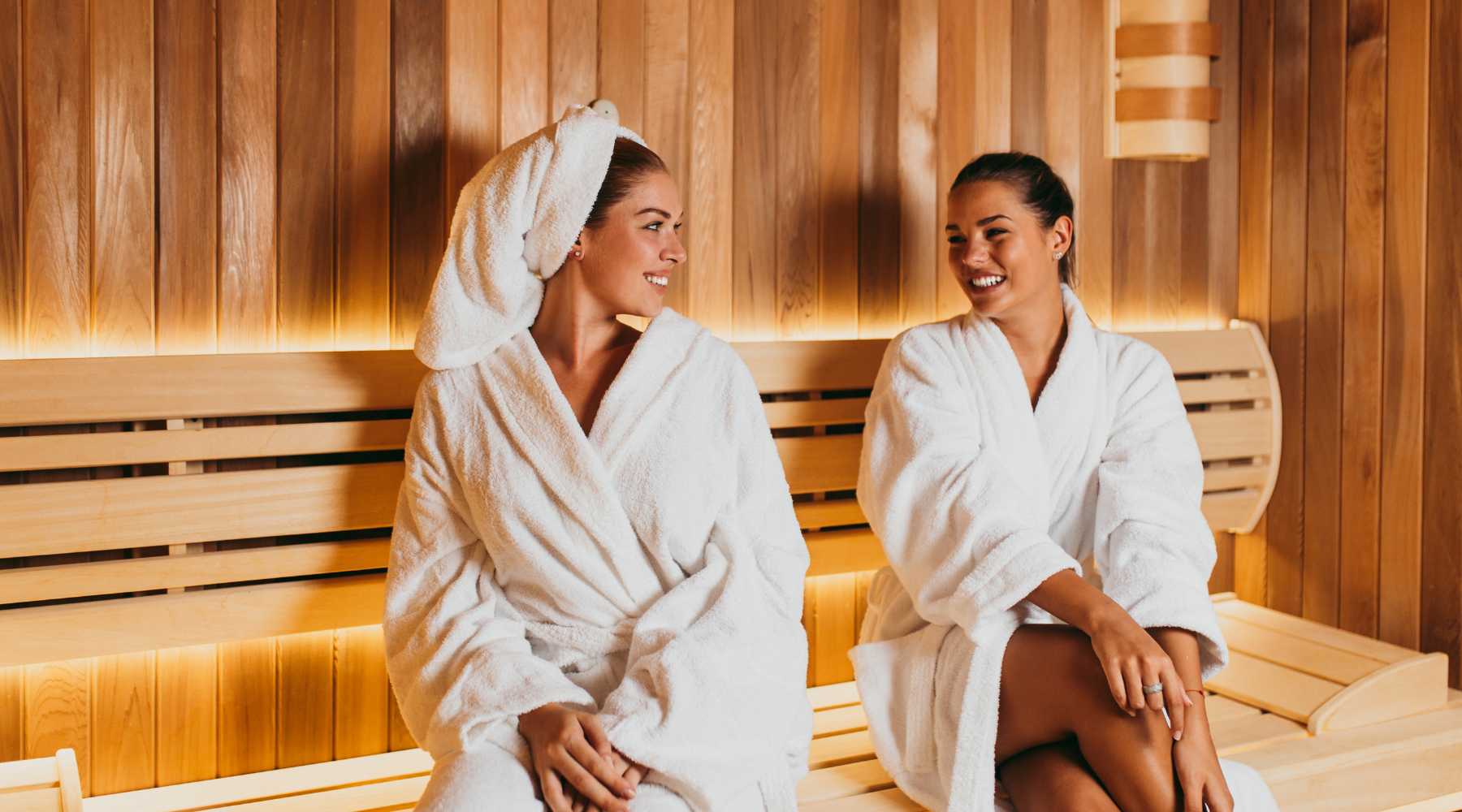
- A robe
- Disposable underwear (for massages or body treatments)
- Slippers
- Towels
You are never exposed unnecessarily. Therapists are trained in professional draping and privacy.
If at any point you feel uncomfortable, you can speak up. A good spa encourages communication.
Step-by-Step: What Happens During a Spa Session
Step 1: Reception and Consultation
At check-in, you’ll usually complete a short form asking about:
- Health conditions
- Injuries
- Allergies
- Pregnancy
- Pressure preferences
This is not formal paperwork—it helps the therapist keep you safe and comfortable.
Step 2: Changing and Relaxation Area
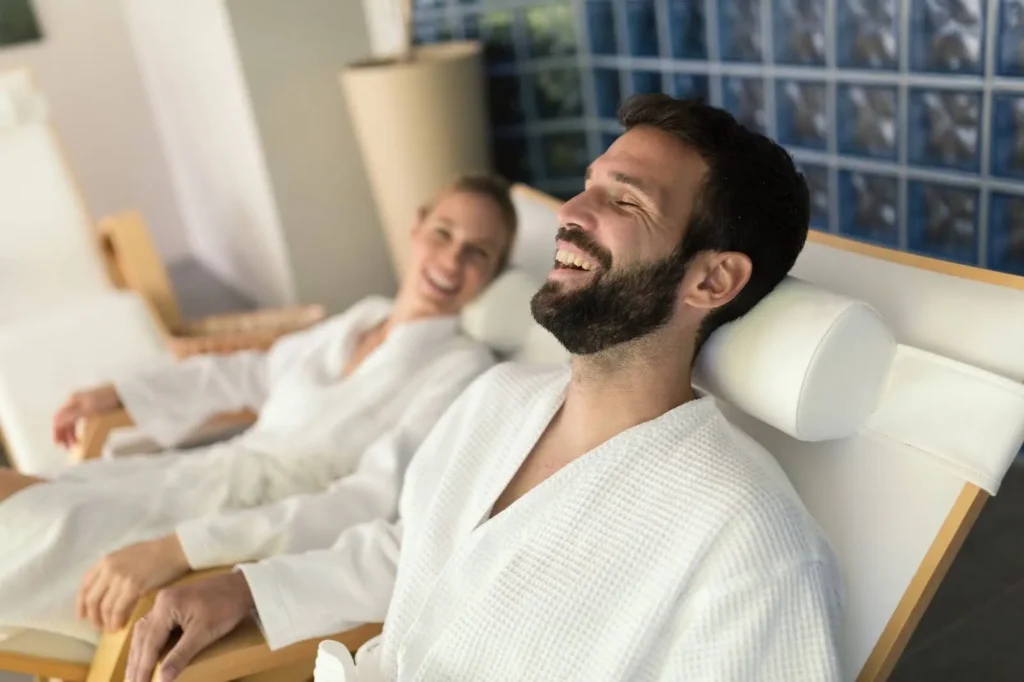
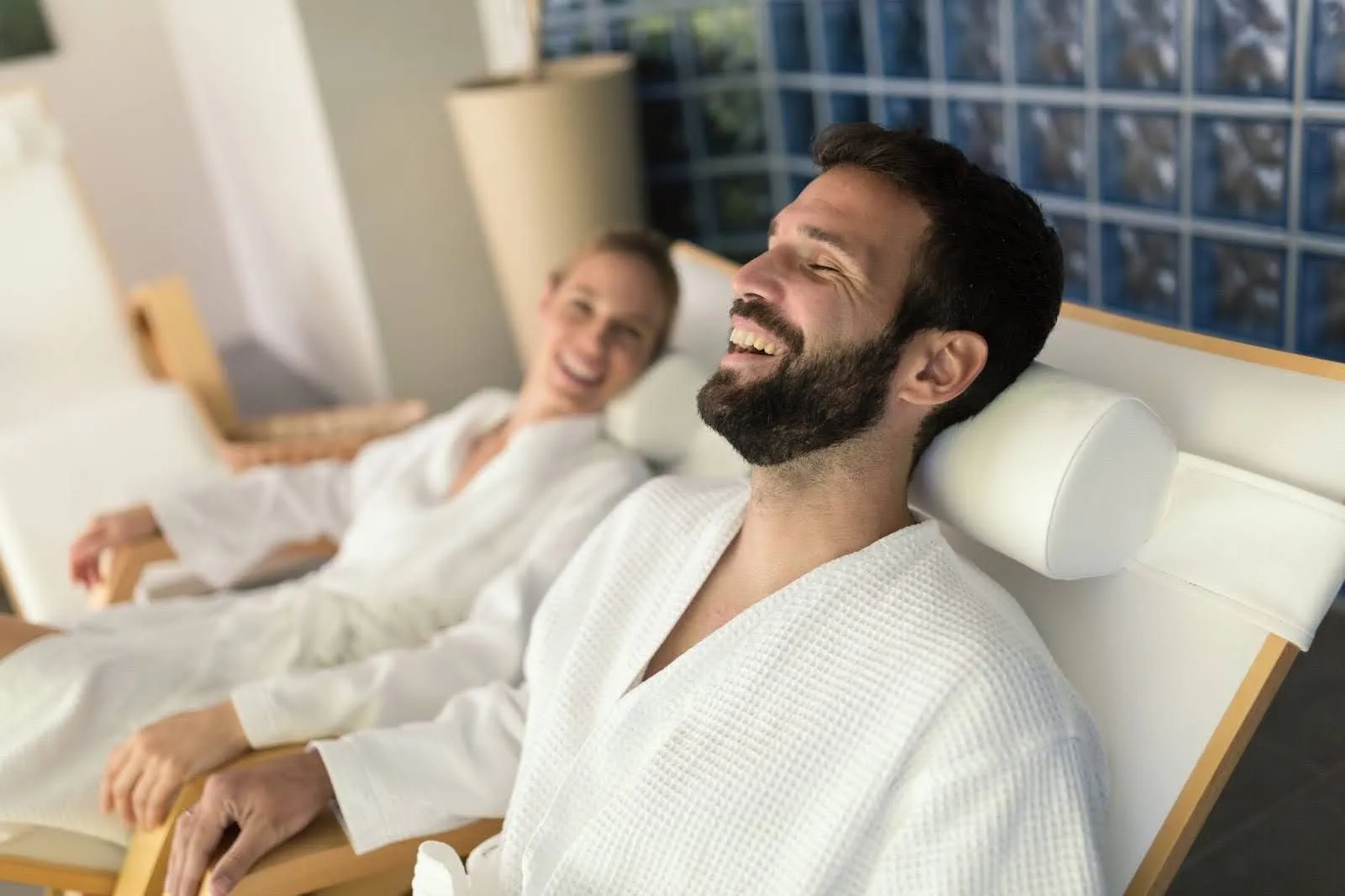
You’ll change into a robe and wait in a quiet area. Many spas offer:
- Herbal tea
- Water
- Soft music
- Loungers
This time is important—it helps your nervous system slow down before treatment.
Step 3: Meeting Your Therapist
Your therapist will:
- Introduce themselves
- Confirm your treatment
- Ask about pressure preferences
- Explain what will happen
This is your chance to ask questions or mention any concerns.
Step 4: The Treatment Itself
Once inside the treatment room:
- Soft lighting
- Warm temperature
- Calm music
You’ll lie on a massage table or treatment bed. The therapist leaves the room briefly so you can get comfortable.
During the treatment:
- You can talk or stay silent
- You can request more or less pressure
- You can ask questions
There is no “right” way to behave.
Step 5: After the Treatment
After the session:
- The therapist leaves so you can dress
- You’re offered water or tea
- You’re encouraged to rest
Many spas recommend staying relaxed for at least 10–20 minutes before leaving.
Best Spa Treatments for First-Timers
1. Swedish Massage (Top Recommendation)
Perfect for beginners.
Benefits:
- Relieves muscle tension
- Improves circulation
- Promotes deep relaxation
Pressure is gentle to moderate and fully adjustable.
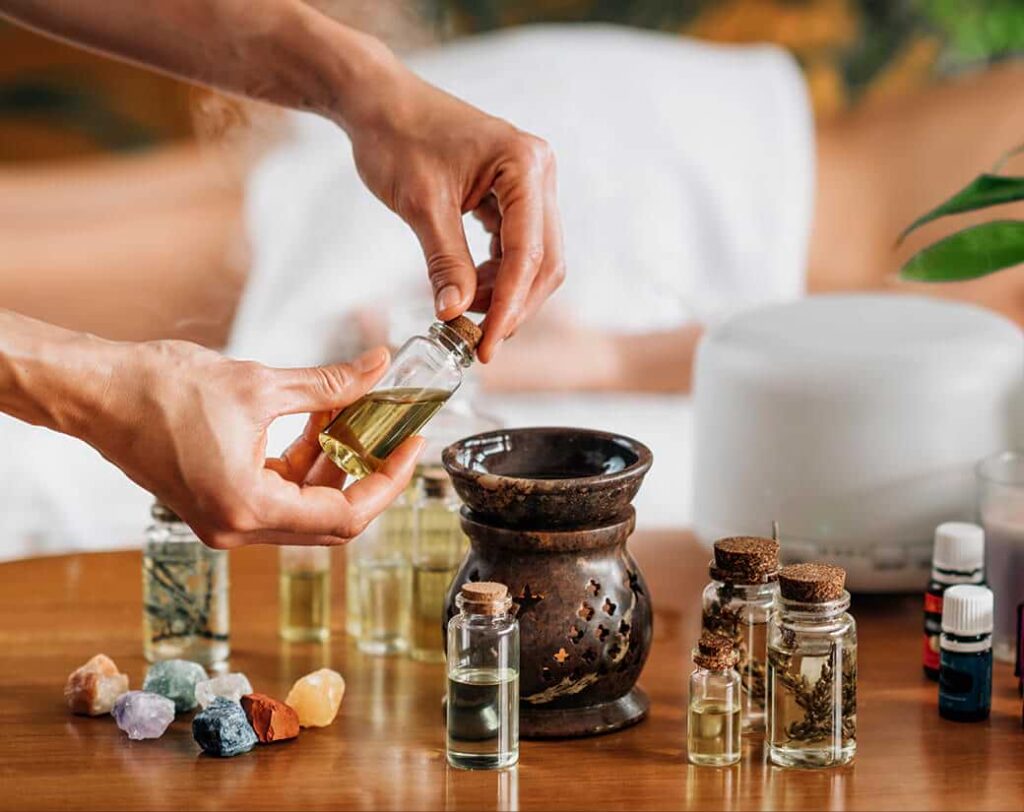
2. Aromatherapy Massage
Uses essential oils to enhance relaxation.
Good for:
- Stress
- Anxiety
- Sleep problems
Scents are usually customizable.
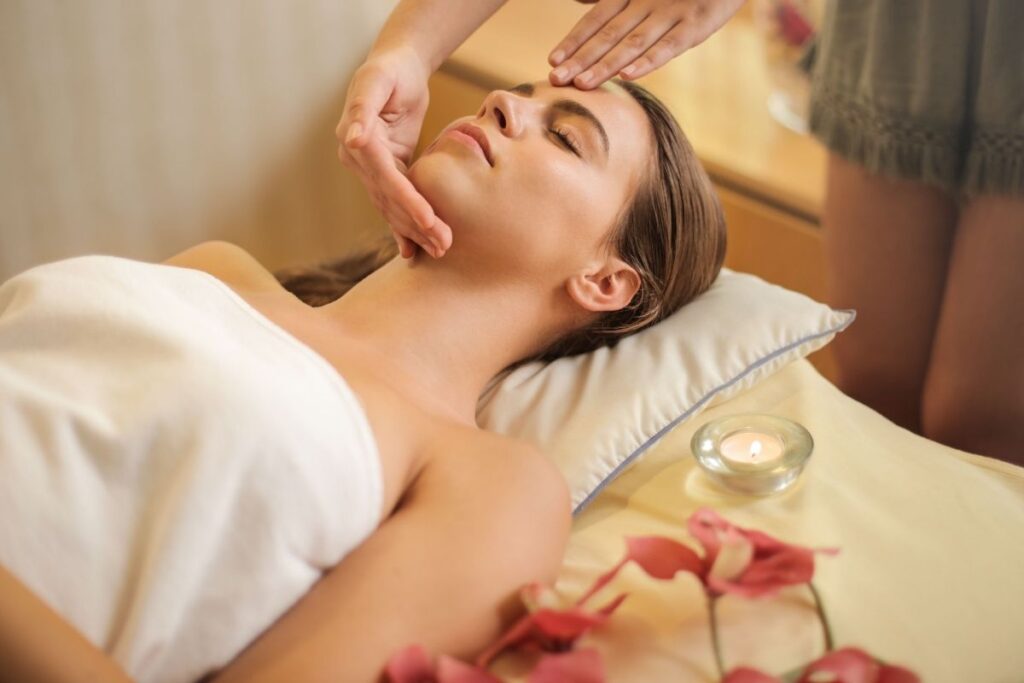
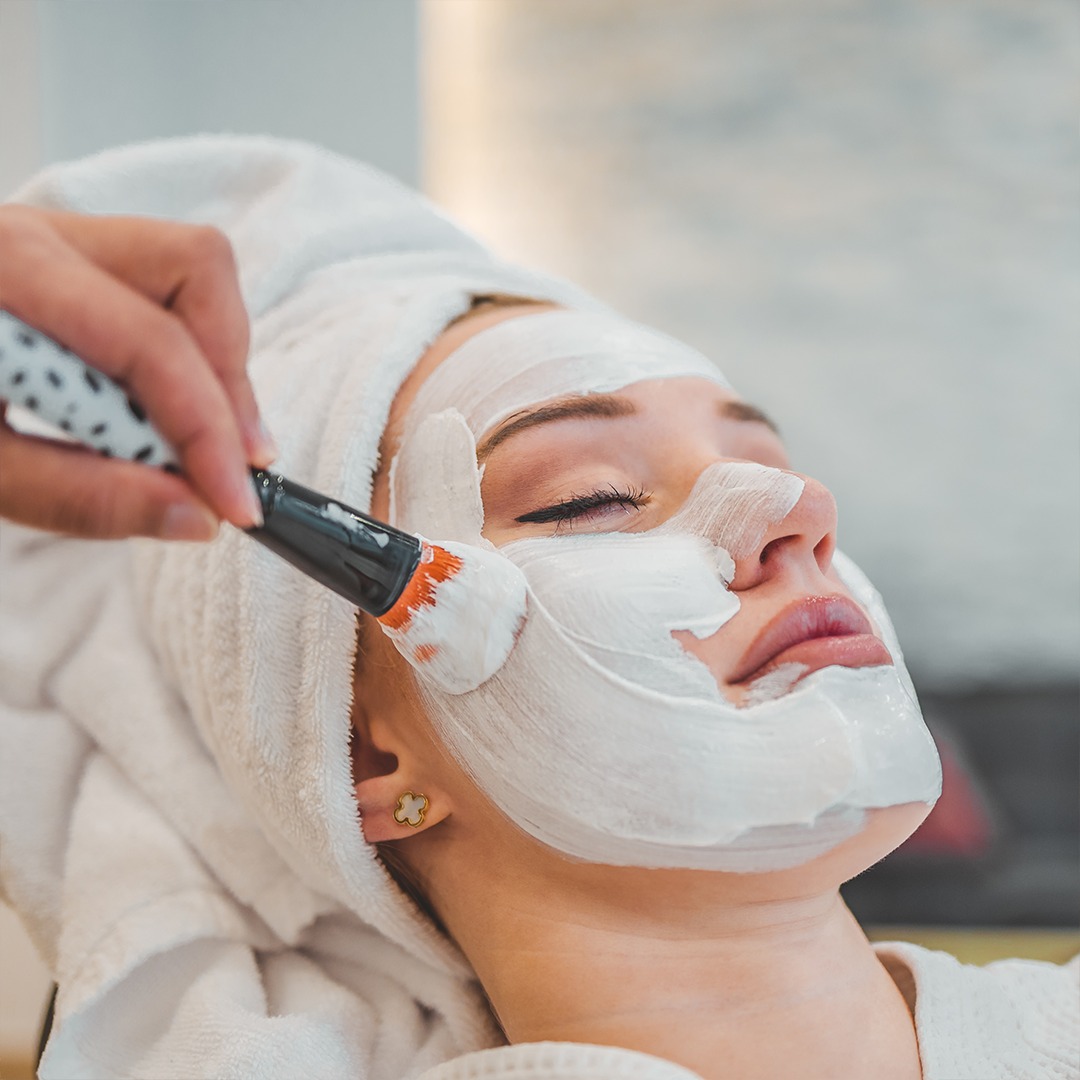
3. Basic Facial
Great introduction to skincare treatments.
Includes:
- Cleansing
- Exfoliation
- Mask
- Moisturizing
No pain, no peeling, just refreshment.
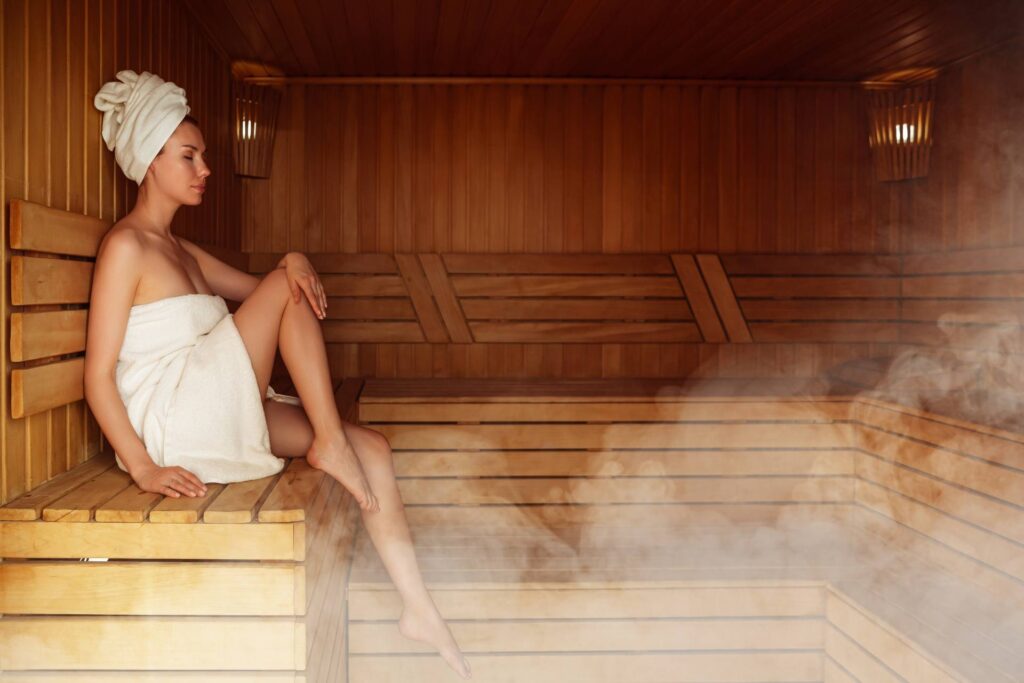
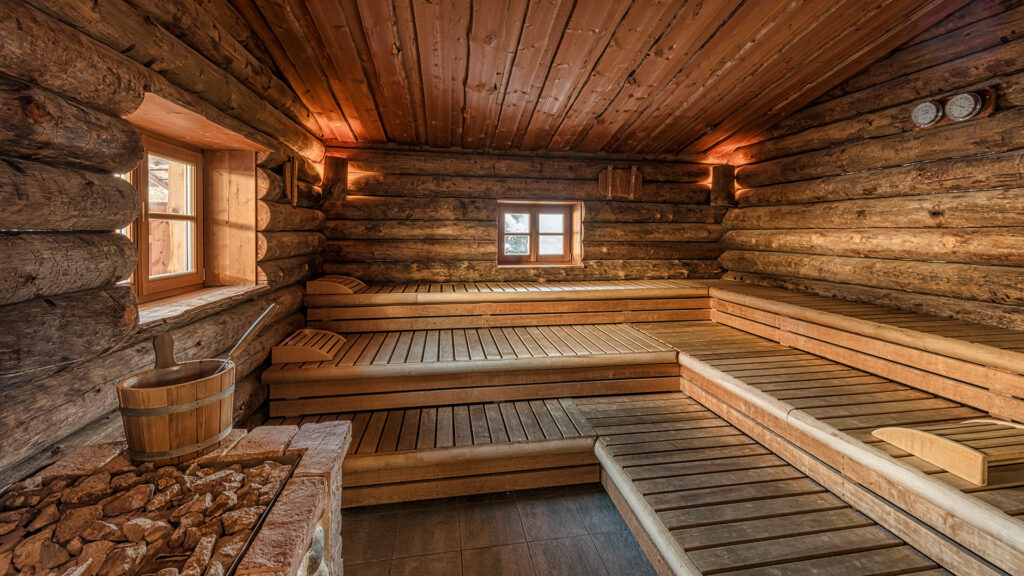
4. Sauna or Steam Room
Often included before or after treatments.
Benefits:
- Detoxification through sweating
- Muscle relaxation
- Improved circulation
Stay hydrated and limit time if you’re new.
Spa Etiquette: What First-Timers Worry About (But Don’t Need To)
Do I Have to Be Silent?
No. Silence is common but not required. Light conversation is fine. Follow your comfort level.
Should I Tip?
In many places, tipping is appreciated but not mandatory. If service charge is included, tipping is optional.
What If I Fall Asleep?
Completely normal. Many people do.
What If I’m Ticklish or Sensitive?
Tell your therapist. Pressure and techniques can be adjusted instantly.
Common First-Timer Mistakes (And How to Avoid Them)
1. Booking the Cheapest Option Without Research
Low price can mean rushed sessions or inexperienced therapists.
2. Choosing Intense Treatments First
Deep tissue or aggressive scrubs can feel overwhelming initially.
3. Not Speaking Up
If something feels uncomfortable, say it immediately.
4. Leaving Immediately After Treatment
Give your body time to adjust before returning to daily activity.
Physical and Mental Benefits of Regular Spa Visits
Physical Benefits
- Reduced muscle tension
- Improved blood circulation
- Better sleep
- Pain relief
- Skin improvement
Mental and Emotional Benefits
- Reduced stress hormones
- Improved mood
- Mental clarity
- Emotional balance
- Better focus
Even a single session can create noticeable change.
How Often Should Beginners Visit a Spa?
For beginners:
- Once a month is ideal
- Even once every 2–3 months is beneficial
Consistency matters more than frequency.
Spa Sessions vs Home Relaxation: What’s the Difference?
At home:
- You relax mentally
- Limited physical recovery
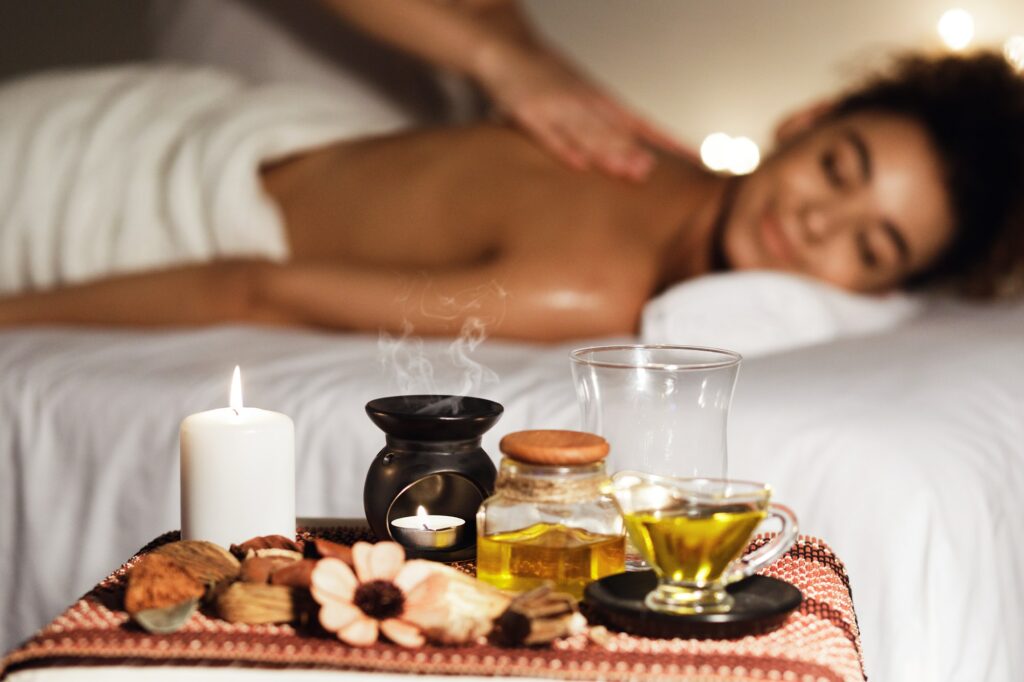
At a spa:
- Professional techniques
- Therapeutic environments
- Deeper nervous system reset
A spa session allows your body to fully “switch off” in a way daily life rarely allows.
Who Should Be Careful or Consult Before Booking?
You should inform the spa if you have:
- Heart conditions
- Pregnancy
- Skin conditions
- Recent surgery
- Chronic illness
Most spas can adjust treatments safely.
FAQ: First-Time Spa Questions Answered
Is a spa session awkward the first time?
Only if you overthink it. Therapists guide you gently through everything.
Do I need to be fit or flexible?
No. Spa treatments are for all body types.
What if I don’t like the treatment?
You can stop or adjust at any time.
Is it worth the money?
Most first-timers say yes—especially for stress relief and recovery.
Final Thoughts: Your First Spa Visit Is About You
A spa session is not about luxury, trends, or perfection. It’s about giving your body and mind permission to rest—something many people forget how to do.
Once you understand what to expect, a spa becomes one of the most accessible and effective forms of self-care available. Your first visit doesn’t need to be perfect. It just needs to be yours.
And for many people, the first spa session isn’t the last—it’s the beginning of a healthier relationship with rest, balance, and well-being.

Leave a Reply