


Spa Services for Athletes and Active People: Maximizing Recovery and Performance
For athletes and fitness enthusiasts, training hard is only half the equation. Recovery, muscle maintenance, and injury prevention are just as critical. This is where spa treatments for athletes step in. Far from being a luxury, post-workout spa services are a key component of performance optimization, allowing active individuals to train harder, recover faster, and maintain long-term health.
In this blog, we explore how spa services benefit athletes, the science behind recovery therapies, and the specific treatments that enhance flexibility, reduce soreness, speed healing, and improve overall performance.
Why Recovery is Essential for Athletes
Every athlete understands that training stress causes microdamage to muscles, joints, and connective tissues. While exercise strengthens the body, the recovery phase is when growth, adaptation, and repair happen.
Neglecting recovery can lead to:
- Delayed onset muscle soreness (DOMS)
- Increased risk of injury
- Chronic fatigue
- Decreased performance
A targeted spa routine accelerates these recovery processes by combining manual therapy, hydrotherapy, thermal treatments, and stretching, providing measurable benefits to both professional athletes and recreational fitness enthusiasts.
The Science of Muscle Recovery

Post-workout recovery involves:
- Reducing inflammation: Exercise causes microtears in muscle fibers. Inflammation is necessary for repair but excessive inflammation slows recovery.
- Improving circulation: Blood flow delivers oxygen and nutrients while removing metabolic waste.
- Relaxing tight muscles: Muscle tension can reduce range of motion, increasing injury risk.
- Restoring flexibility: Tight muscles or fascia limit performance and increase fatigue.
- Mental relaxation: Stress, both mental and physical, can impair healing.
Spa treatments for athletes target all these aspects, offering holistic recovery that goes beyond simple rest.
Key Spa Treatments for Athletes
1. Deep Tissue Massage
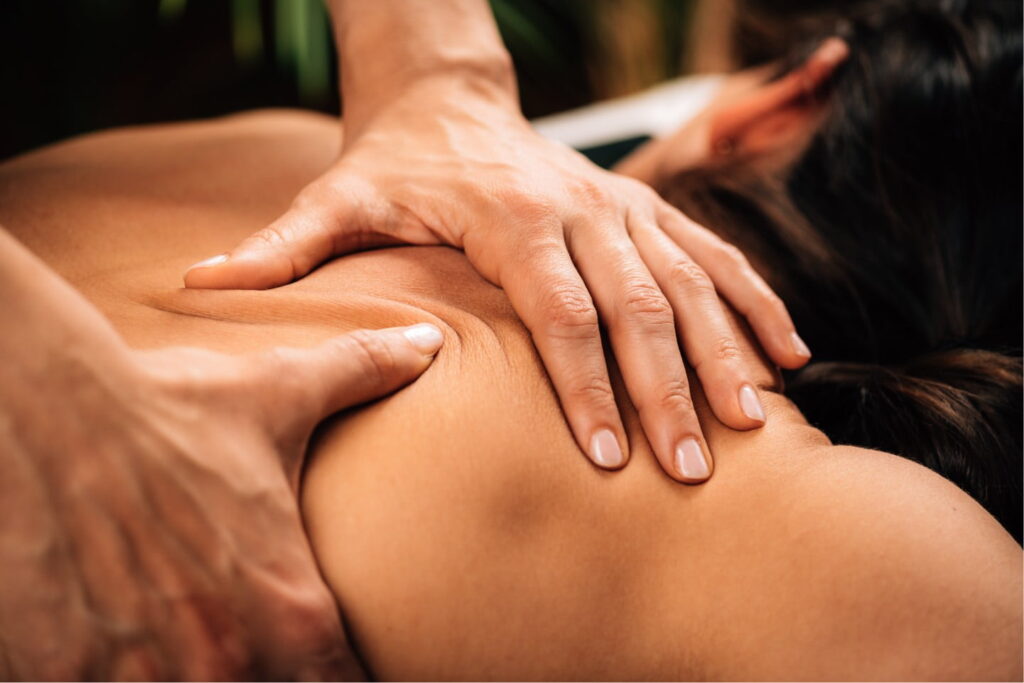
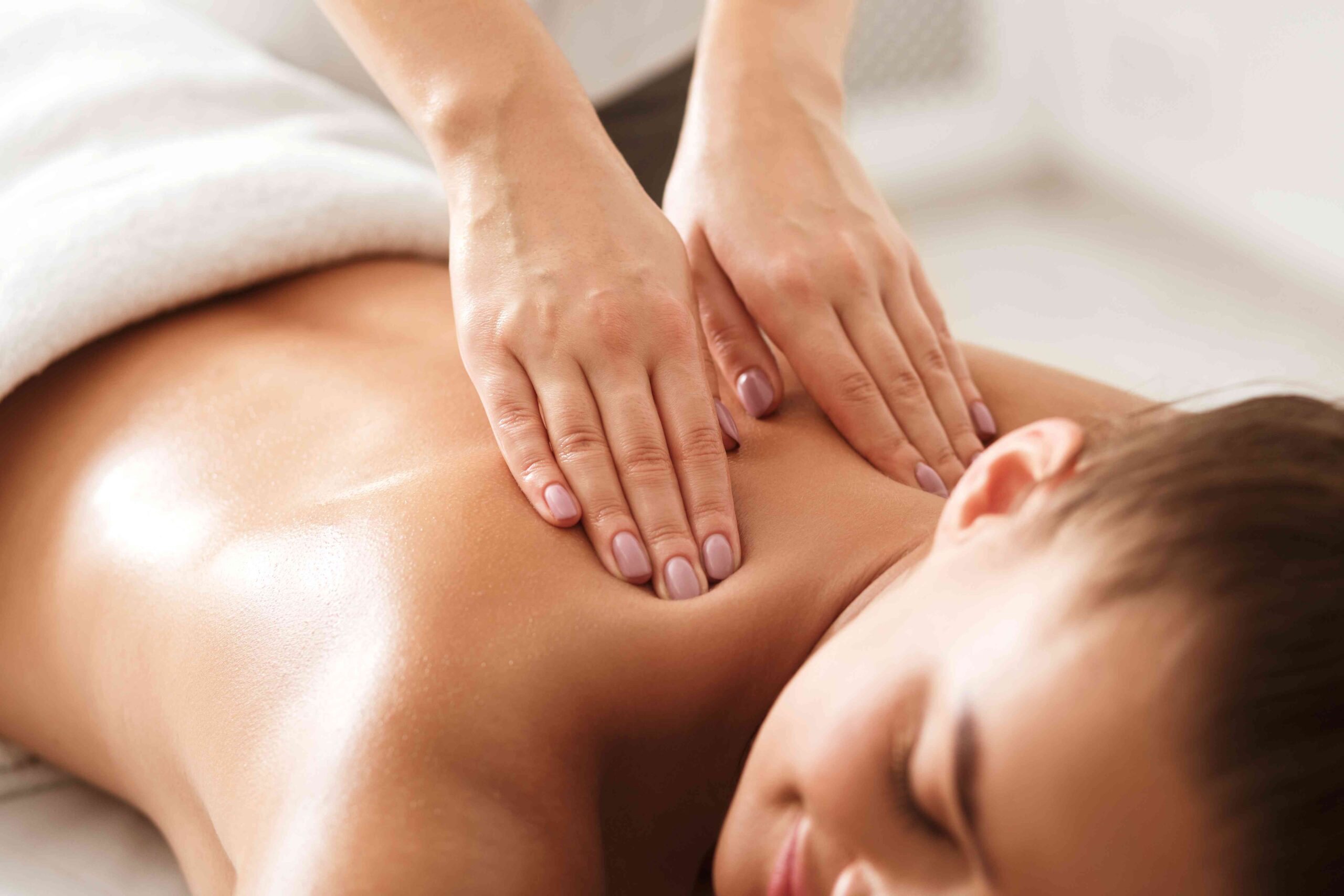
Deep tissue massage focuses on the deeper layers of muscle and connective tissue.
Benefits:
- Reduces muscle tension and stiffness
- Breaks up adhesions in fascia
- Accelerates waste removal from muscles
- Enhances blood flow to fatigued areas
Athletes often schedule deep tissue sessions after intense training or competitions. For example, a marathon runner may experience faster recovery of calf muscles and quadriceps, while weightlifters can relieve tight shoulders and lower back pain.
Best practice: Schedule 24–48 hours after intense activity for optimal recovery.
2. Sports Massage
Sports massage is specifically designed for active individuals and competitive athletes. It combines deep tissue techniques, stretching, and trigger point therapy.
Key advantages:
- Reduces DOMS
- Prepares muscles for activity (pre-event massage)
- Improves range of motion
- Prevents overuse injuries
A study published in the Journal of Strength and Conditioning Research found that athletes receiving regular sports massage experienced up to 30% less muscle soreness and quicker performance recovery.
3. Stretching and Assisted Mobility Sessions
Flexible muscles move more efficiently, reducing the likelihood of injury. Many spa facilities offer assisted stretching, sometimes called myofascial release or assisted yoga therapy, which can:
- Increase muscle length
- Release tension in fascia
- Improve joint mobility
- Enhance circulation
For example, runners and cyclists benefit from hamstring and hip flexor-focused sessions, while swimmers often target shoulders and lats.
4. Hydrotherapy and Contrast Baths
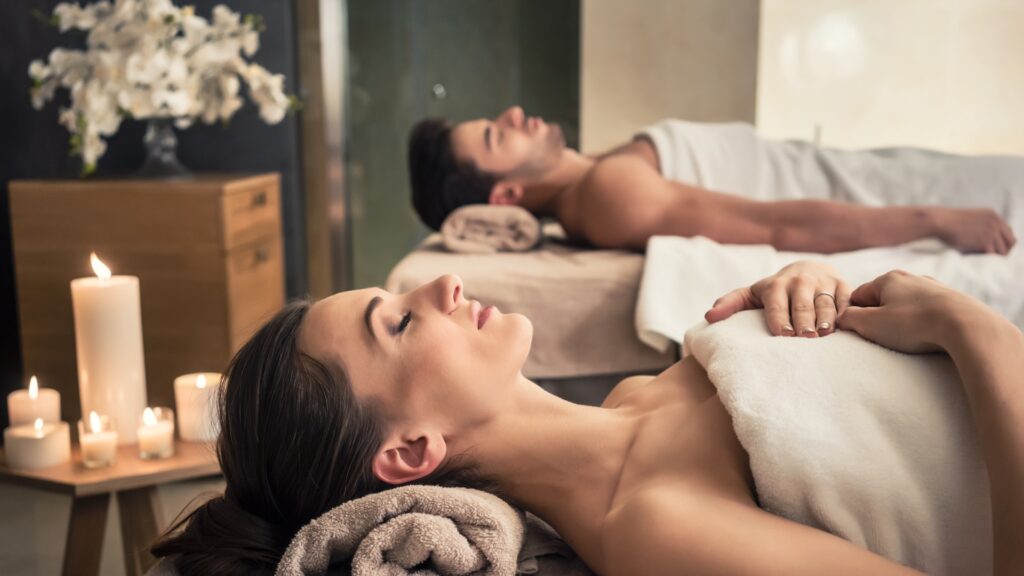
Hydrotherapy, including hot tubs, cold plunges, and contrast baths, is widely used in professional sports.
How it helps:
- Cold therapy: Reduces inflammation, swelling, and soreness
- Hot therapy: Promotes blood flow and relaxes tight muscles
- Contrast baths: Alternating hot and cold improves circulation and speeds nutrient delivery to muscles
Elite athletes often use post-workout spa hydrotherapy to recover faster between training sessions or competitions.
5. Anti-Inflammatory and Healing Treatments
Beyond massage and hydrotherapy, spas offer targeted therapies to reduce inflammation and accelerate tissue repair, including:
- Infrared therapy – penetrates tissue to improve circulation and reduce stiffness
- Cryotherapy – extreme cold exposure to reduce inflammation and pain
- Compression therapy – increases venous return, reducing swelling and fatigue
These treatments are particularly beneficial after high-intensity workouts, competitions, or long endurance events.
6. Nutritional and Wellness Support
Some spas integrate recovery with nutrition and wellness guidance:
- Protein shakes or anti-inflammatory meals post-treatment
- Hydration therapy
- Guided relaxation and mindfulness sessions
Supporting the body internally complements external recovery treatments, ensuring holistic performance enhancement.
Benefits of Combining Multiple Spa Services
Athletes often find the greatest results when treatments are combined. For instance:
- Deep tissue massage + assisted stretching improves muscle length and tension simultaneously
- Hydrotherapy + cryotherapy reduces inflammation while promoting blood flow
- Sports massage + nutritional recovery accelerates tissue repair and performance restoration
Many high-performance athletes incorporate a weekly or bi-weekly spa routine to maintain optimal condition.
How Spa Treatments Improve Athletic Performance
Regular spa services do more than relieve soreness:
- Enhanced flexibility and mobility – allowing stronger, more efficient movements
- Reduced injury risk – tight or inflamed muscles are more prone to strains
- Faster healing – ensuring training schedules remain uninterrupted
- Improved circulation and oxygen delivery – supporting energy and endurance
- Mental relaxation – reducing cortisol and supporting focus
Ultimately, the athlete’s body functions more efficiently, and recovery becomes a performance advantage.
Choosing the Right Spa for Active Recovery
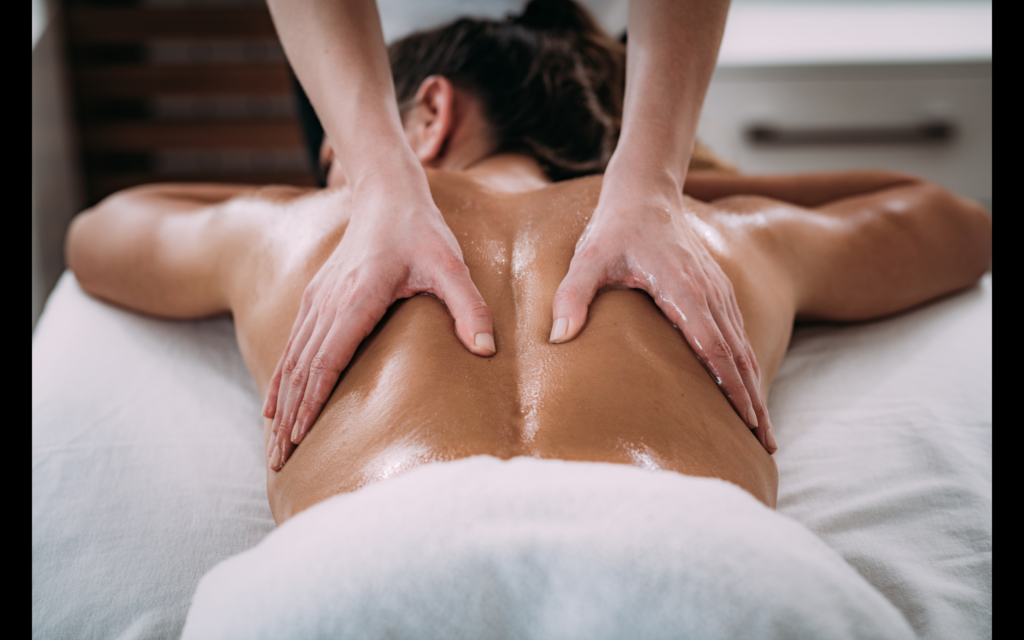
Not all spas are equally equipped for athletes. Consider:
- Experience with sports clients – therapists should understand biomechanics
- Range of services – deep tissue, hydrotherapy, stretching, cryotherapy
- Customized programs – treatments tailored to sport type and intensity
- Clean, professional environment – hygiene and comfort are critical
Look for phrases like “athlete wellness spa,” “sports recovery treatments,” or “post-workout spa” when researching options.
Timing and Frequency of Treatments
- Pre-event massage: Light, stimulating, 24 hours before competition
- Post-event massage: Deep, relaxing, same day or next day
- Hydrotherapy and stretching: After intensive workouts for optimal circulation
- Regular recovery sessions: Weekly or bi-weekly to maintain performance and prevent injury
Consistency is key. Sporadic treatments offer temporary relief, while structured recovery programs produce measurable performance improvements.
Testimonials from Professional Athletes
Many elite athletes credit spa routines with their longevity and peak performance:
- Marathon runners use contrast baths to recover between consecutive races
- Football players schedule sports massage twice weekly during intense training
- Swimmers rely on infrared therapy and assisted stretching for shoulder maintenance
- Cyclists combine compression therapy and hydrotherapy for faster recovery on long rides
Even recreational athletes find these treatments enhance enjoyment and reduce downtime.
Integrating Spa Treatments into Daily Training
For the best results:
- Plan treatments around workouts – avoid immediately before heavy lifting
- Target problem areas – hamstrings, calves, lower back, shoulders
- Combine modalities – massage + hydrotherapy + stretching
- Monitor body response – adjust intensity to avoid over-stimulation
- Use wellness support – hydration, nutrition, and mindfulness
Professional trainers often coordinate with spa therapists to maximize the synergy between training and recovery.
Conclusion: Spa Services as Performance Investment

For athletes and active people, spa treatments are not a luxury—they are a strategic advantage.
By reducing soreness, enhancing flexibility, speeding healing, and supporting overall wellness, professional spa services transform recovery from passive rest into active performance optimization.
Keywords integrated naturally throughout this blog include:
sports massage, post-workout spa, muscle recovery treatments, athlete wellness spa, professional spa services, recovery therapies, flexibility and mobility, hydrotherapy, anti-inflammatory treatments.
A structured, consistent spa routine allows athletes to train smarter, recover faster, and maintain peak performance while minimizing injuries. Whether you are a professional competitor or a dedicated fitness enthusiast, incorporating spa treatments into your training plan is an investment in long-term health, performance, and results.

Leave a Reply