


Aromatherapy and Mood Improvement: How Scents Enhance Wellness and Relaxation
Aromatherapy has become one of the most celebrated wellness practices in recent years, offering a natural way to improve mood, reduce stress, and enhance overall well-being. From essential oil spa treatments to scented relaxation therapy at home, aromatherapy integrates the power of fragrance with the body’s physical and emotional responses.
In this guide, we’ll explore the connection between aromatherapy and mood improvement, highlight popular essential oils, discuss massage oils, and share how relaxation scents can create lasting benefits for mind and body.
Understanding Aromatherapy Wellness
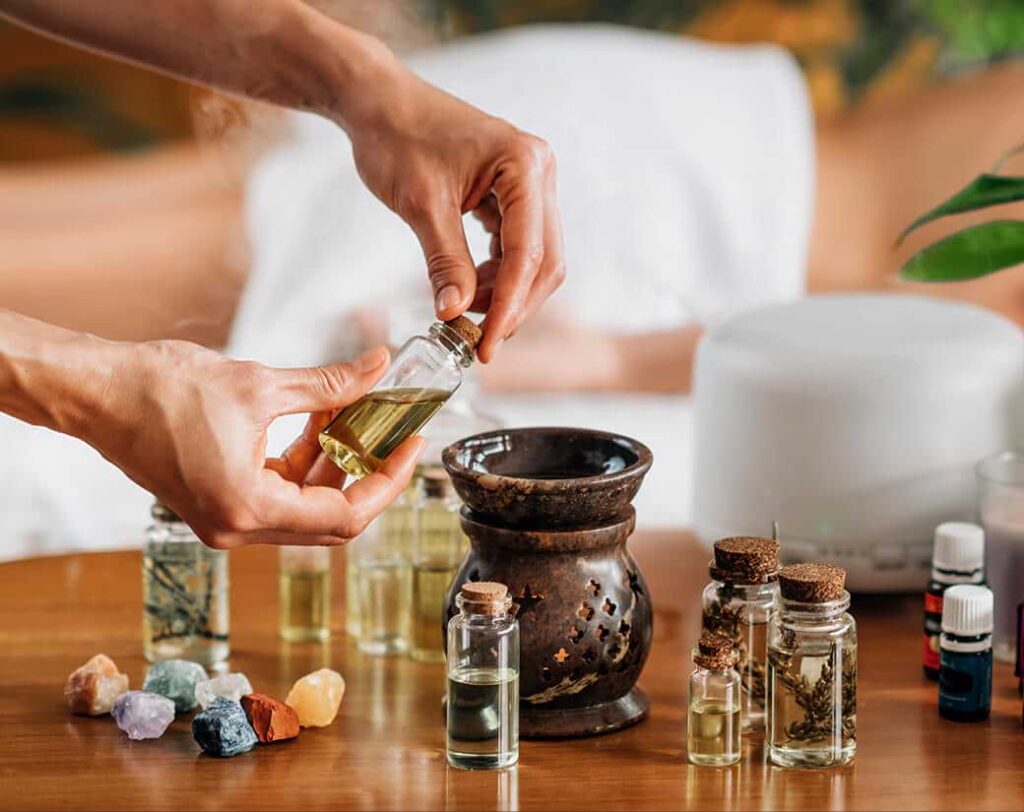
Aromatherapy involves the use of natural plant extracts and essential oils to influence physical, emotional, and psychological health. Its benefits are deeply tied to the olfactory system—the way our brains interpret scent—and the limbic system, which controls emotions and memory. This connection explains why certain scents can uplift the mood, reduce anxiety, or promote relaxation almost instantly.
Key Benefits of Aromatherapy for Mood
- Stress Reduction: Scents like lavender and chamomile help lower cortisol levels and reduce tension.
- Enhanced Relaxation: Aromas can signal the brain to enter a calm state, which improves sleep quality and focus.
- Emotional Balance: Citrus and floral scents can boost positivity and combat feelings of fatigue or sadness.
- Cognitive Support: Peppermint and rosemary oils can sharpen focus and stimulate alertness, improving overall mental clarity.
Essential Oils and Their Mood-Enhancing Properties
Essential oils are the backbone of aromatherapy wellness. Extracted from flowers, leaves, bark, and fruit, these concentrated oils carry potent therapeutic properties.
Top Essential Oils for Mood Improvement
- Lavender: Promotes relaxation and reduces anxiety; widely used in essential oil spa treatments.
- Bergamot: Uplifting citrus scent that can relieve stress and improve emotional balance.
- Rosemary: Enhances alertness and cognitive function, ideal for scented relaxation therapy during work or study.
- Peppermint: Invigorates the senses and improves focus; helps combat fatigue.
- Chamomile: Soothes the mind, reduces tension, and promotes a sense of calm.
- Ylang-Ylang: Supports emotional well-being by lowering blood pressure and enhancing feelings of euphoria.
Tip: Combining essential oils in blends can create synergistic effects, enhancing both relaxation and mood improvement.
Massage Oils: Aromatherapy in Touch Therapy
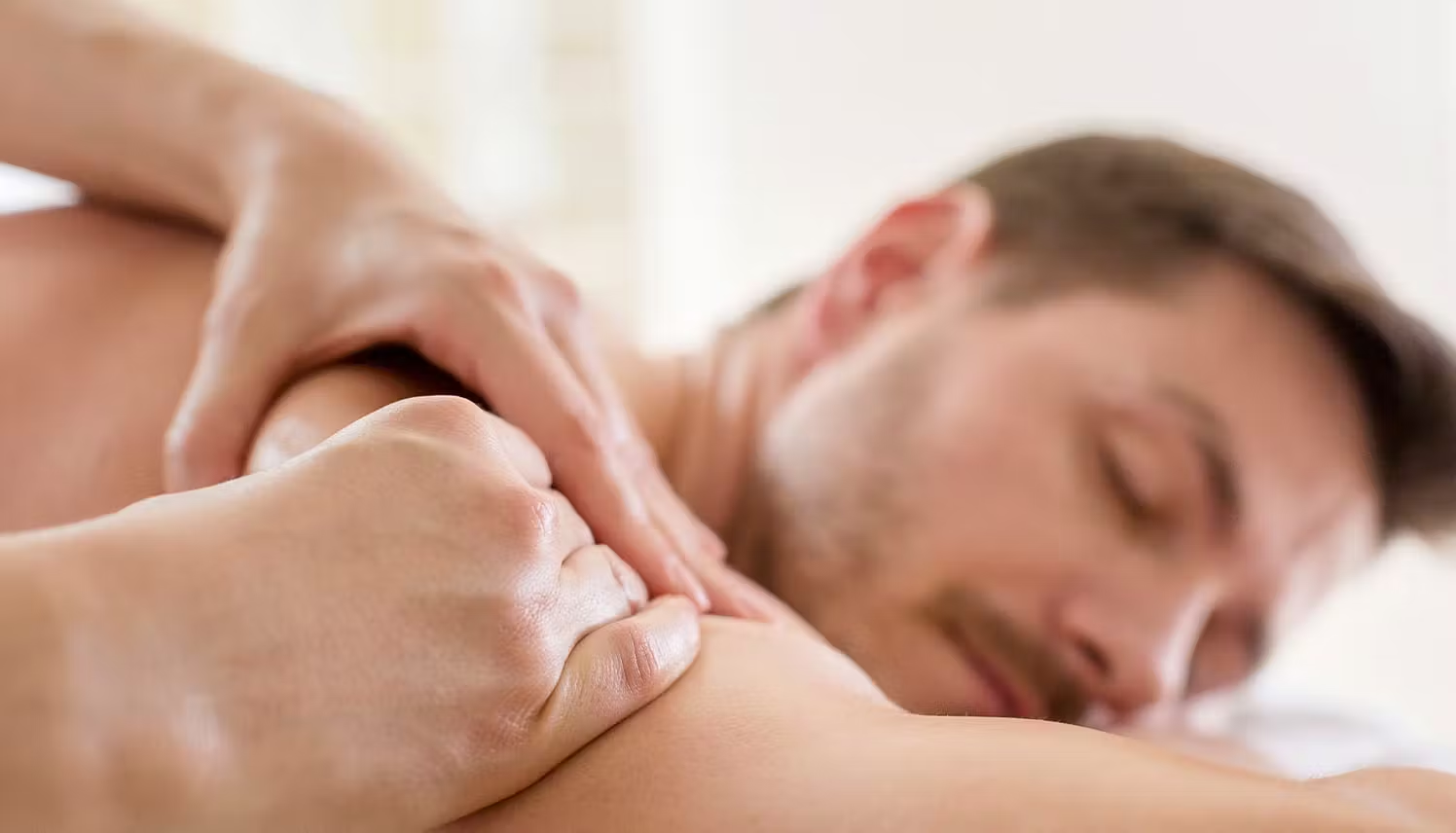
While inhaling essential oils is powerful, massage oils infused with aromatherapy scents provide the added benefit of physical touch, making the experience holistic. The combination of tactile stimulation and therapeutic aromas enhances relaxation and emotional relief.
Benefits of Aromatherapy Massage
- Reduces muscular tension and improves circulation
- Promotes deep relaxation through the combination of scent and touch
- Stimulates the parasympathetic nervous system, lowering stress hormone levels
- Enhances mindfulness and presence, boosting emotional resilience
Popular Massage Oils
- Lavender-infused oils: Ideal for full-body relaxation and stress relief.
- Peppermint and eucalyptus blends: Refresh and invigorate the senses.
- Citrus oils (orange, lemon, bergamot): Uplift mood and energize.
- Rose or jasmine oils: Promote emotional balance and sensory indulgence.
Scented Relaxation Therapy at Home
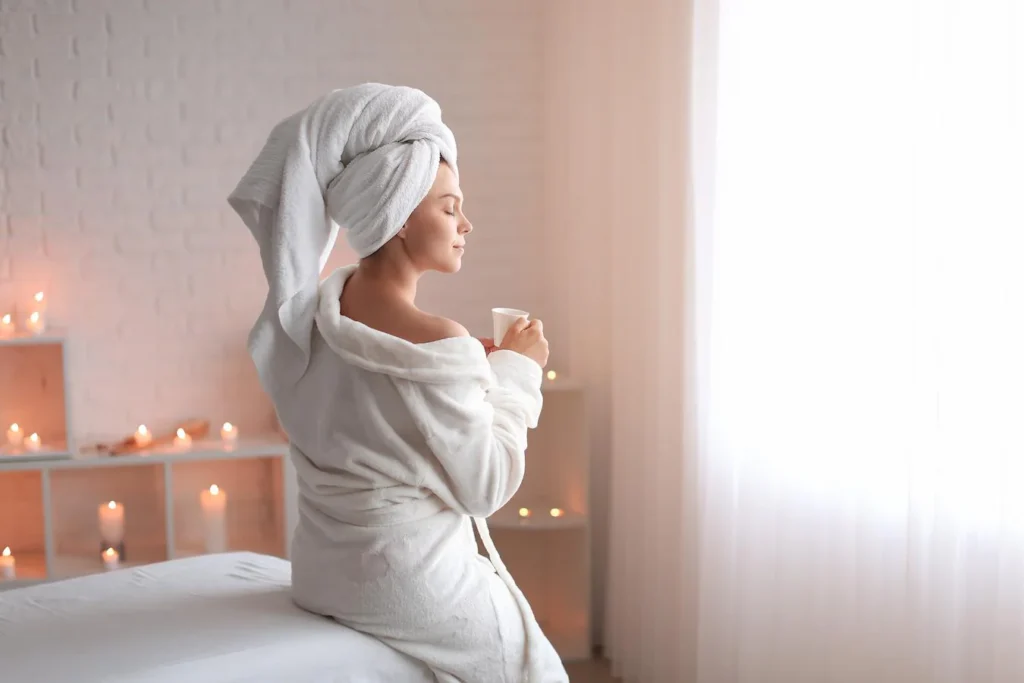
Creating a personal aromatherapy routine can extend the benefits of professional spa treatments into everyday life. Scented relaxation therapy can be as simple as diffusing oils, applying roll-ons, or preparing aromatic baths.
Techniques for Home Aromatherapy
- Diffusers: Use ultrasonic or reed diffusers to disperse essential oils throughout your space.
- Bath Rituals: Add a few drops of relaxing oils like lavender or chamomile to warm bathwater.
- Roll-On Blends: Apply essential oil blends to pulse points for on-the-go stress relief.
- Pillow Sprays: Lavender sprays on pillows can improve sleep quality and reduce nighttime anxiety.
- Aromatherapy Candles: Candles infused with natural oils combine fragrance with ambient lighting for deeper relaxation.
Aromatherapy in Professional Spa Settings
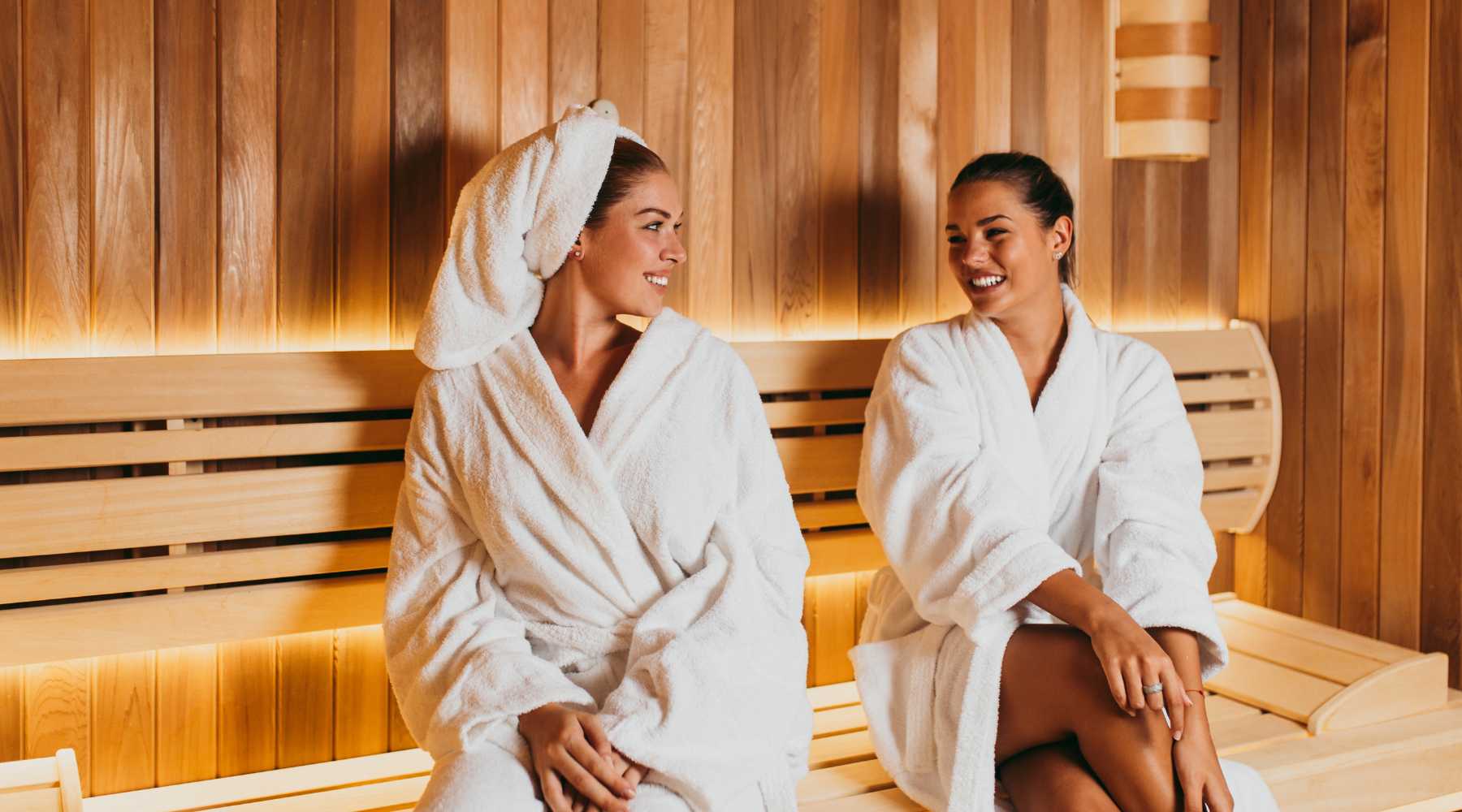
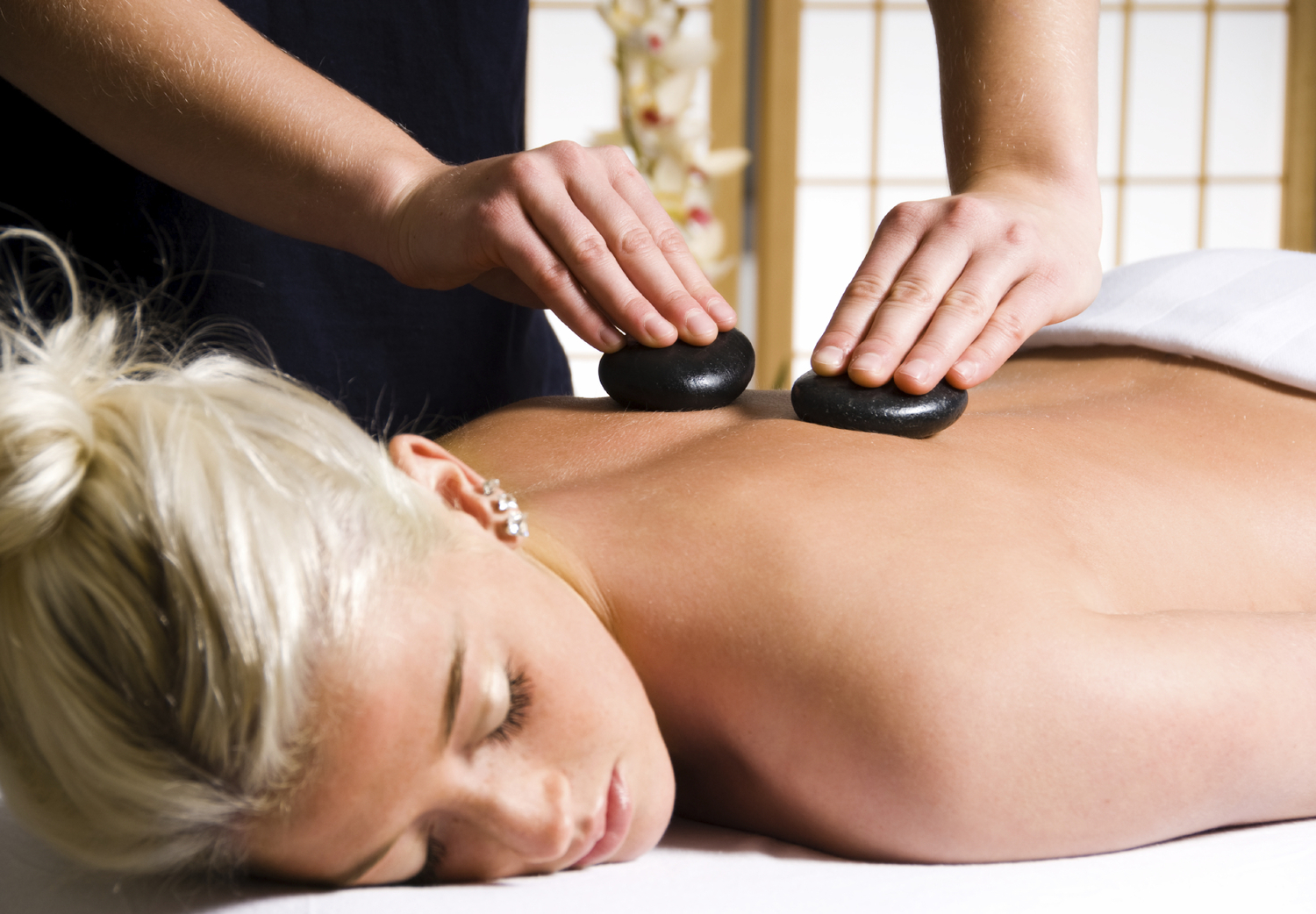
Spas have long embraced aromatherapy as a central part of wellness experiences. Essential oil spa treatments combine massages, facials, and holistic therapies with the therapeutic properties of oils, creating immersive sessions for body and mind.
Common Spa Aromatherapy Experiences
- Full-body Aromatherapy Massage: Targets muscle tension while calming the nervous system.
- Facial Treatments with Essential Oils: Refreshes the skin while providing aromatherapeutic benefits.
- Steam Rooms with Scented Oils: The warm vapor amplifies the effects of essential oils for deep relaxation.
- Meditation or Yoga Sessions with Aromatherapy: Scents enhance focus, calm the mind, and promote mindfulness.
Pro Tip: Many spa professionals customize oil blends based on clients’ emotional and physical needs, ensuring maximum mood enhancement.
Science Behind Aromatherapy and Emotional Well-Being
Research shows that essential oils impact mood through both the olfactory and limbic systems. Inhaling oils triggers neural pathways that can influence hormone levels, brain activity, and stress responses.
Key Findings
- Lavender: Reduces anxiety and depression symptoms; promotes calmness.
- Citrus Oils: Enhance alertness, decrease fatigue, and stimulate positive emotions.
- Rose and Jasmine: Known to induce feelings of happiness and comfort.
Aromatherapy’s effectiveness is enhanced when combined with other relaxation practices such as massage, mindfulness, or meditation.
Tips for Maximizing Mood Benefits
- Choose Oils Based on Your Emotional Needs: Identify whether you want relaxation, energy, or emotional balance.
- Consistency is Key: Regular exposure to aromatherapy can strengthen positive mood effects.
- Combine Techniques: Use diffusers, massage oils, and scented baths together for comprehensive wellness.
- Personalize Your Space: Create a calming environment with your favorite scents, colors, and lighting.
- Consult a Professional: For therapeutic purposes or if using oils topically, seek guidance from certified aromatherapists.
Safety Guidelines
While aromatherapy is natural, it’s important to practice safely:
- Dilute essential oils in carrier oils before topical application.
- Avoid ingesting oils unless under professional supervision.
- Test for allergic reactions before full application.
- Keep oils away from children and pets unless deemed safe.
Conclusion: Aromatherapy as a Path to Emotional Wellness
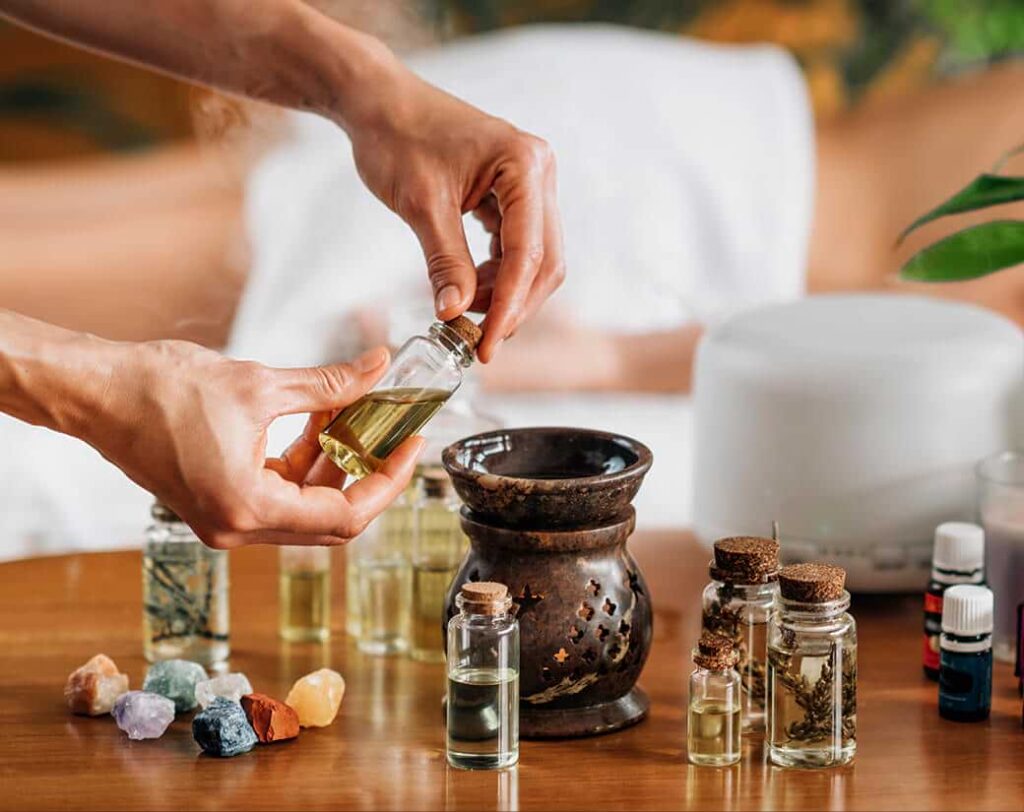
The connection between aromatherapy and mood improvement is undeniable. Whether through essential oil spa treatments, massage oils, or scented relaxation therapy at home, these practices create a bridge between mind, body, and emotion.
Aromatherapy doesn’t just smell good — it shapes how we feel, how we relax, and how we connect with ourselves. Integrating scents into daily life or occasional spa visits offers a natural, enjoyable, and effective way to nurture emotional well-being.
With consistent use, awareness of individual preferences, and professional guidance when needed, aromatherapy can become an indispensable part of a healthy, balanced lifestyle.

Leave a Reply