


The Power of Self-Care: Why Modern Life Makes Wellness Essential — and How Spas and Wellness Centers Support True Balance
In the fast-paced rhythm of modern life, people are more overwhelmed, overstimulated, and exhausted than ever before. Constant notifications, demanding jobs, digital overload, and the pressure to stay productive have created a global rise in chronic stress, anxiety, burnout, and physical tension. As a result, self-care is no longer an optional luxury — it has become a necessary foundation for a balanced, healthy lifestyle.
Wellness centers, holistic spas, and therapeutic retreats have evolved to meet this growing need. They offer far more than simple pampering: they provide science-backed treatments, safe environments for emotional release, mindfulness-based practices, and holistic wellness services designed to restore energy, calm the nervous system, and support long-term mental and physical health.
This in-depth guide explores the importance of self-care in today’s world and explains how modern spa therapy, wellness centers, and holistic services help people regain control over their well-being. Whether you’re new to the concept of a holistic lifestyle or searching for deeper wellness solutions, this article will show why investing in your health is one of the most valuable decisions you can make.
Why Self-Care Matters Now More Than Ever
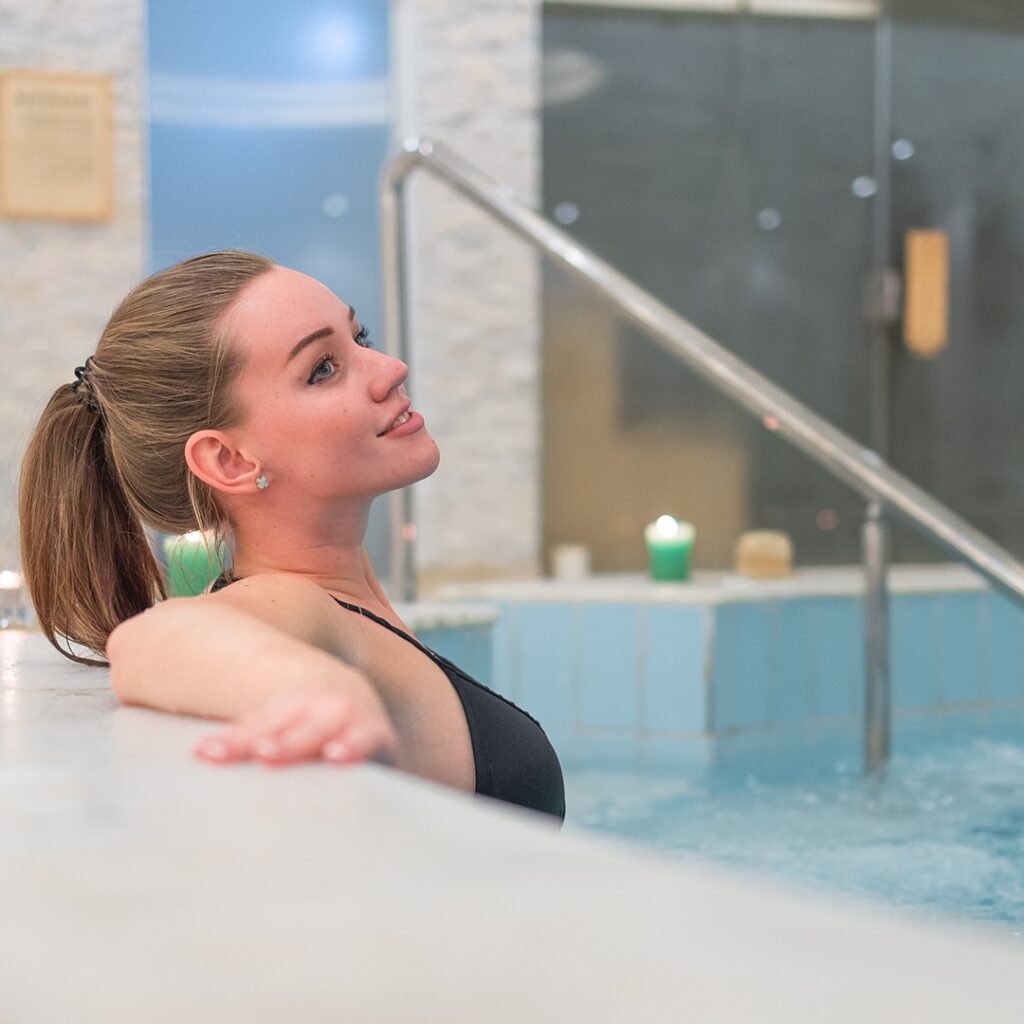
Self-care has become a major global trend, but its importance goes far beyond beauty rituals and relaxation. At its core, self-care is about maintaining physical, emotional, and mental health through intentional practices.
Today’s world challenges our well-being in several ways:
1. Rising levels of chronic stress
With endless responsibilities and little downtime, stress hormones like cortisol remain high, weakening the immune system and affecting sleep, mood, and productivity.
2. Sedentary lifestyles
Hours spent sitting at desks or scrolling on phones lead to back pain, stiff muscles, poor posture, and reduced circulation.
3. Digital overload
Constant screen use drains mental energy, affects concentration, and increases anxiety levels.
4. Emotional burnout
Societal pressure to stay busy and productive leaves little time for emotional processing, mindfulness, or meaningful rest.
5. Decline in work-life balance
Remote work, technology, and multitasking make it difficult to mentally disconnect from obligations.
Because of these challenges, more people experience:
- insomnia
- chronic fatigue
- headaches
- muscle tension
- anxiety
- depression
- irritability
- reduced productivity
- emotional imbalance
Self-care practices target these issues by slowing down the nervous system, allowing the body to recover, and giving the mind space to refocus.
Self-Care as a Holistic Lifestyle

Self-care is not a one-time activity — it is a consistent lifestyle that nurtures every dimension of wellness:
Physical wellness
Movement, nutrition, hydration, massage, sleep, and pain management.
Mental wellness
Mindfulness, reflection, disconnecting from technology, and managing stress.
Emotional wellness
Processing feelings, journaling, practicing gratitude, and nurturing relationships.
Spiritual wellness
Meditation, breathwork, grounding practices, or simply connecting with nature.
Social wellness
Healthy boundaries, positive interactions, and communication.
A holistic lifestyle means recognizing the connection between mind, body, and spirit — and taking steps to maintain harmony among them.
How Wellness Centers and Spas Support Modern Self-Care Needs
For many people, self-care is difficult to practice at home because of distractions, stress triggers, or lack of proper guidance. Wellness centers, holistic spas, and therapeutic retreats provide structured spaces where healing and balance can happen naturally.
Here’s how they support long-term well-being:
1. Professional Stress Management Treatments
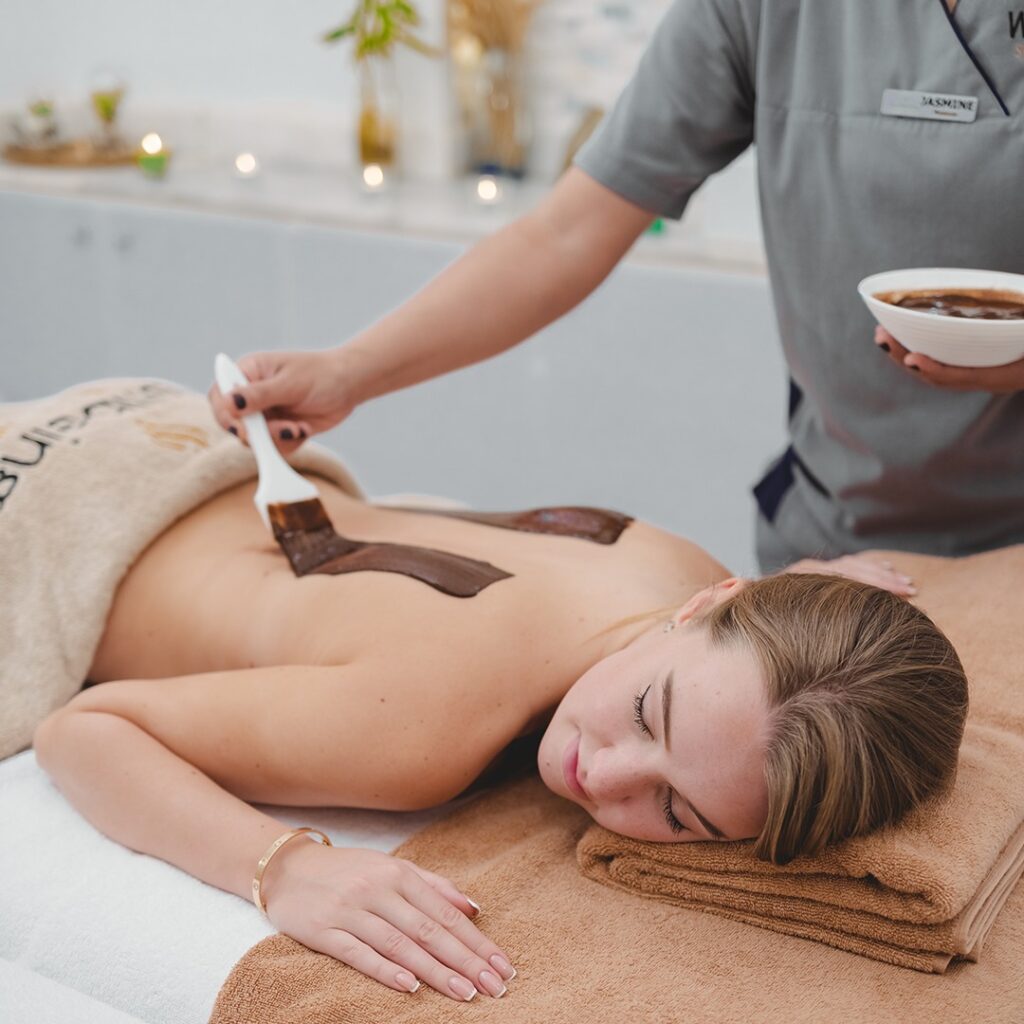
Wellness centers specialize in therapies designed specifically to reduce chronic stress. These sessions activate the parasympathetic nervous system — the body’s “rest and digest” mode — lowering cortisol levels and calming the mind.
Popular stress relief services include:
- full-body massages
- aromatherapy sessions
- hot stone therapy
- sound healing
- mindfulness guidance
- flotation therapy
- Reiki and energy balancing
These treatments help reduce anxiety, improve sleep, and release emotional tension stored in the body.
2. Therapeutic Massage and Spa Therapy for Physical Rejuvenation
Massage remains one of the most powerful tools in spa therapy, offering both relaxation and medical benefits. Professional massage therapists understand muscle structure, trigger points, and techniques that relieve pain and improve circulation.
Common types of therapeutic massage include:
- Swedish massage for relaxation
- deep tissue massage for chronic tension
- Thai massage for flexibility
- sports massage for athletes
- hot stone massage for deep muscle loosening
- lymphatic drainage for detoxification
- reflexology for systemic balance
Each technique supports different aspects of physical wellness — from reducing stiffness and pain to boosting mobility and energy.
3. Mindfulness and Mental Balance Services
Modern spas increasingly incorporate mindfulness-based wellness services. These practices improve concentration, emotional stability, and inner peace.
Examples include:
- meditation sessions
- guided breathing exercises
- yoga classes
- sound baths with singing bowls
- chakra balancing
- float therapy in sensory-reduction tanks
These experiences help clients disconnect from digital noise, manage anxiety, and cultivate mental clarity.
4. Holistic Treatments for Emotional Wellness
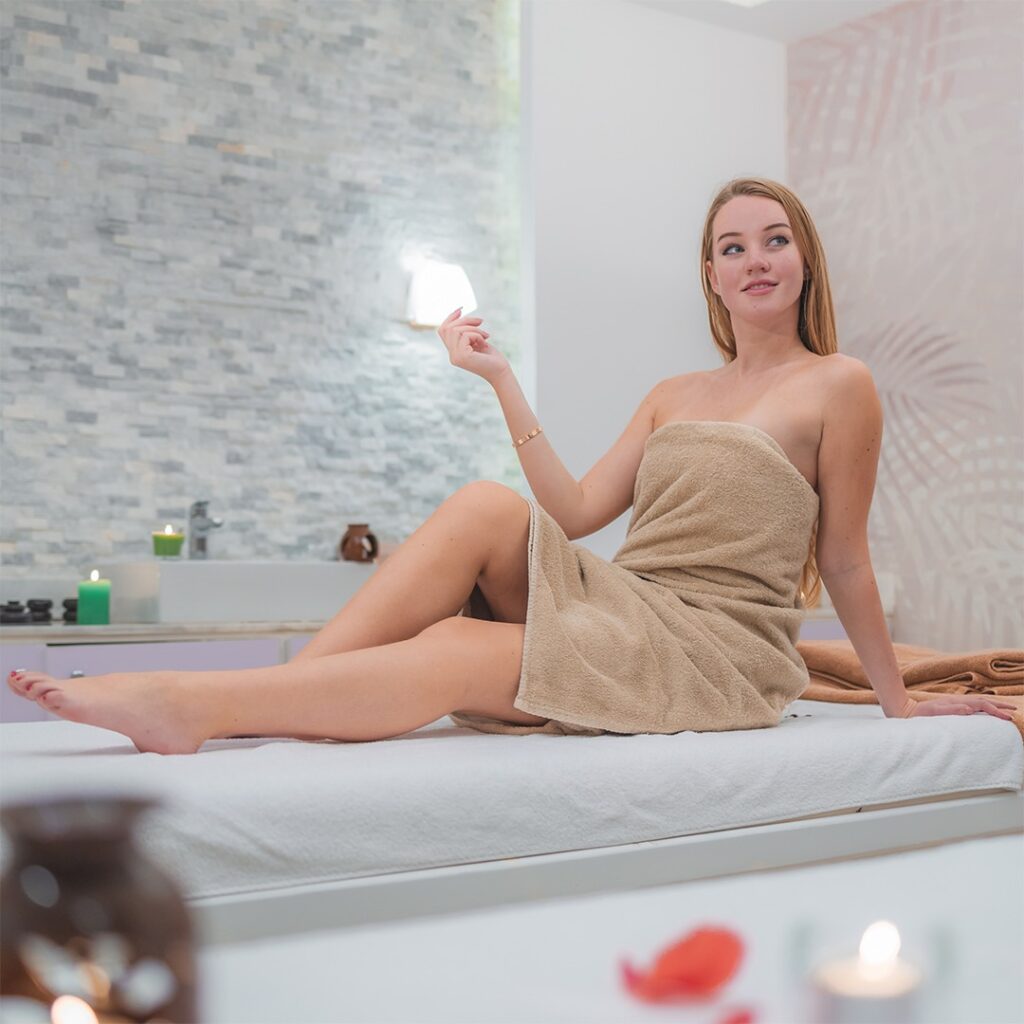
Because emotional stress often manifests as physical tension, wellness centers offer therapies that support both the mind and body.
Holistic emotional wellness techniques include:
- aromatherapy blends that target mood
- Reiki energy healing
- crystal therapy
- Ayurvedic treatments
- hydrotherapy baths
- candlelit relaxation rituals
Such services help clients release emotional blockages, reduce overwhelm, and restore inner harmony.
5. Detoxification and Cleansing Programs
Detox programs help remove built-up toxins, reduce inflammation, and restore vitality. These wellness services are popular among people experiencing fatigue, digestive issues, or sluggishness.
Detox offerings often include:
- infrared sauna
- lymphatic massage
- herbal compress therapy
- detox foot baths
- body scrubs
- nutritional counseling
After detox treatments, clients often feel lighter, more energized, and more mentally focused.
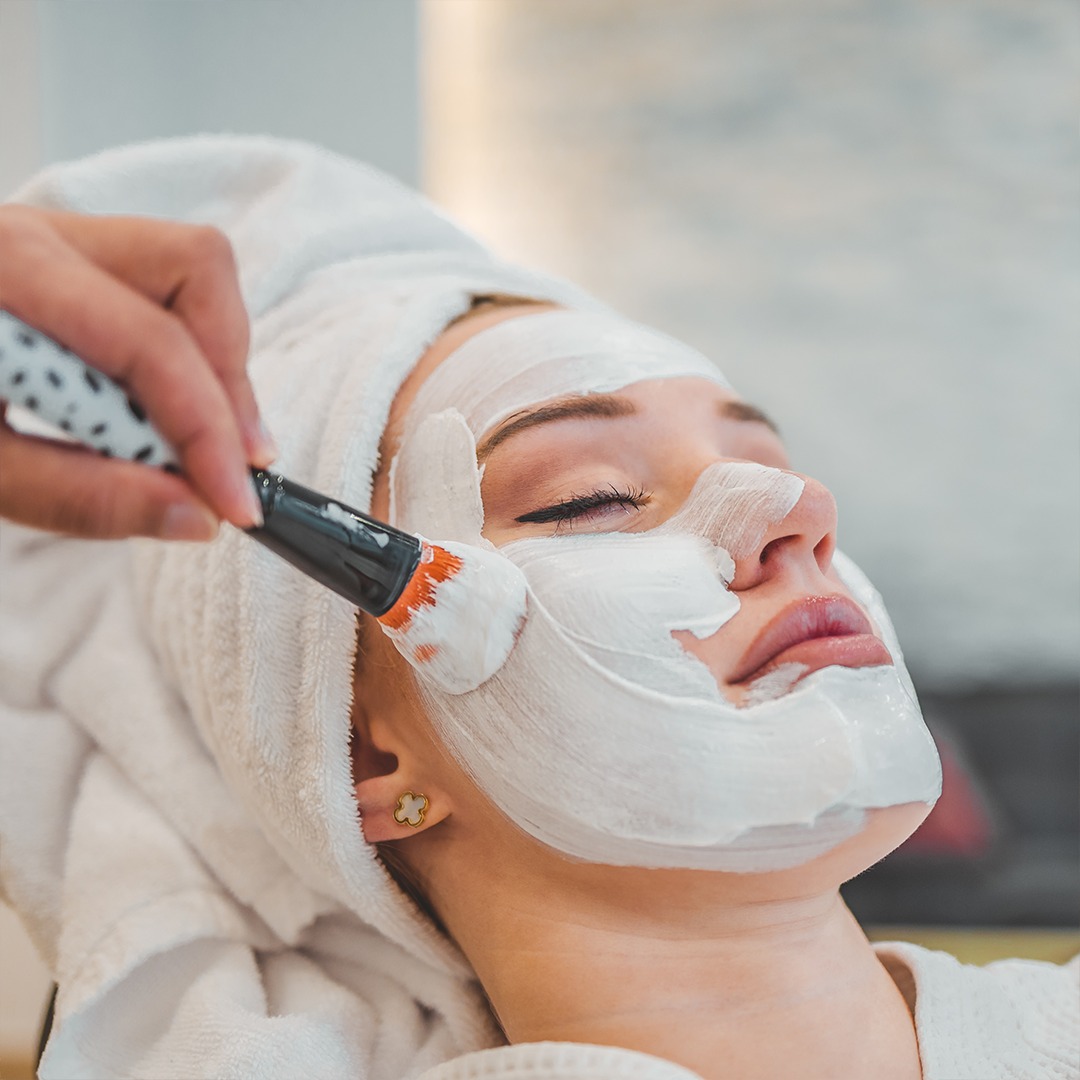
6. Skin Health and Beauty as Part of Self-Care
Skin health is closely connected to confidence, emotional well-being, and overall physical balance. Spas offer professional treatments using medically tested techniques and high-quality products.
Popular skin-related wellness services include:
- hydrating facials
- anti-aging treatments
- exfoliation and body peels
- LED light therapy
- oxygen facials
- collagen-boosting treatments
These services not only improve appearance but also enhance relaxation and support a positive self-image.
7. Personalized Wellness Plans
One of the greatest benefits of modern wellness centers is customization. Every individual has different goals, stress patterns, and physical conditions, so personalized programs ensure maximum results.
A wellness plan may include:
- weekly or monthly massage sessions
- meditation classes
- yoga or stretching routines
- nutritional guidance
- digital detox strategies
- skincare programs
- fitness integration
Personalized approaches provide structure and consistency — the keys to successful self-care.
8. Creating a Safe and Nurturing Environment
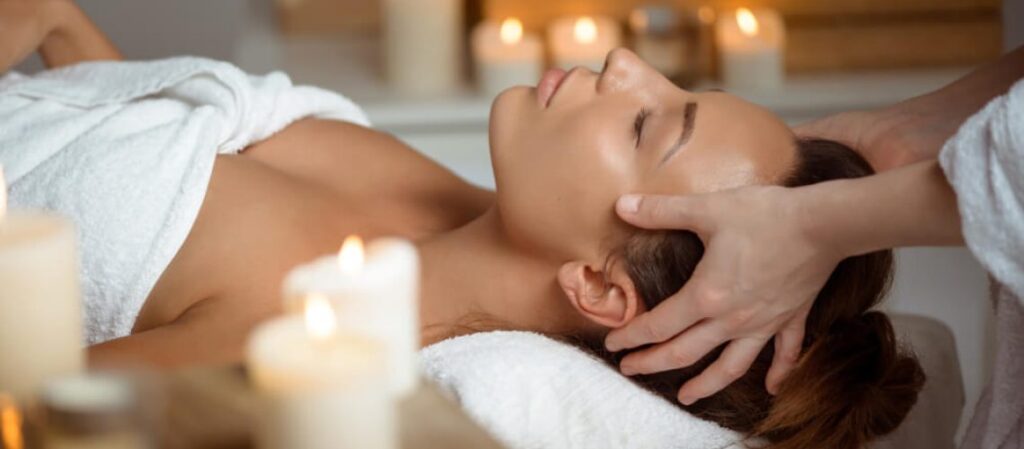
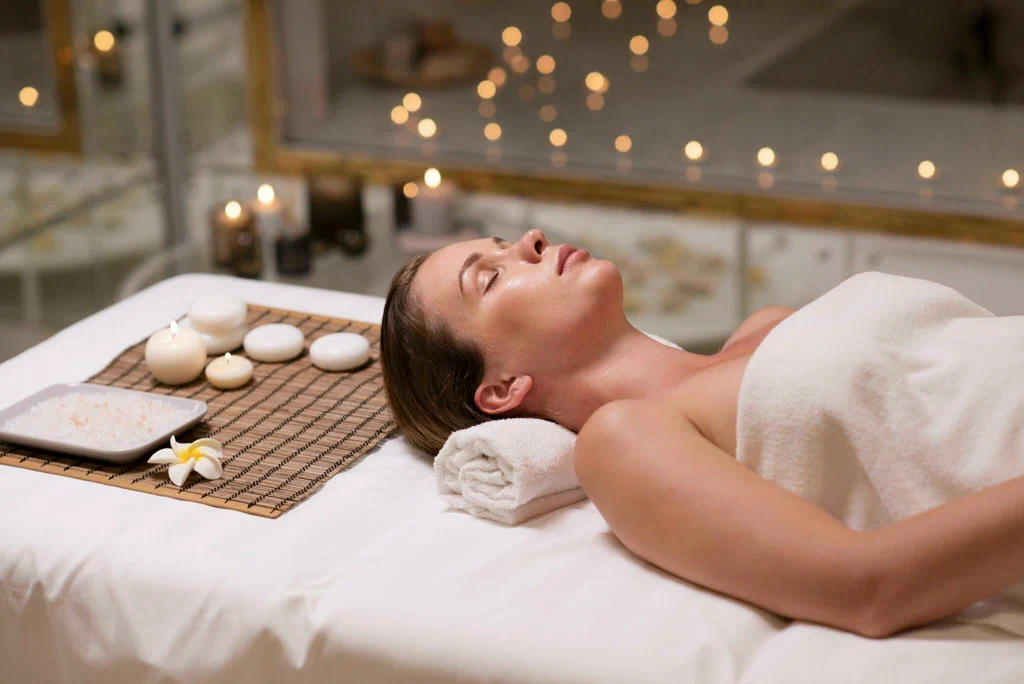
Spas offer peaceful surroundings where clients can disconnect from external stress. Dim lighting, calming scents, soft music, warm temperatures, and attentive care help the nervous system shift into deep relaxation.
This safe, soothing environment encourages:
- emotional release
- mental clarity
- improved sleep
- slowed breathing
- physical recovery
For many people, creating such a peaceful space at home is challenging. Wellness centers become sanctuaries for healing.
The Science Behind Spa Therapy and Wellness Services
Self-care isn’t just a trend — it has scientific support. Research shows that wellness treatments can significantly improve both mental and physical health.
Evidence-based benefits include:
- reduced cortisol levels after massage
- improved serotonin and dopamine production
- lowered blood pressure
- improved immune function
- reduced muscular inflammation
- enhanced circulation
- improved flexibility
- deeper sleep quality
- reduced symptoms of anxiety and depression
Emotional and physical health are deeply connected, and spa therapy supports both simultaneously.
How Wellness Centers Encourage Long-Term Lifestyle Changes
Spas don’t simply offer temporary relief — they help individuals build healthier habits that support long-term well-being.
Ways wellness centers promote sustainable self-care:
1. Routine and consistency
Scheduled sessions help clients stay committed to their wellness journey.
2. Professional expertise
Therapists and wellness specialists educate clients about posture, breathing, stretching, and stress-management techniques.
3. Preventive care
Regular treatments help prevent chronic pain, burnout, and emotional imbalance.
4. Integration of body and mind
Holistic services encourage clients to treat wellness as a full-body approach, not a quick fix.
5. Motivation and accountability
Many wellness centers offer membership packages that keep clients engaged and motivated.
How to Incorporate Self-Care Into a Busy Lifestyle
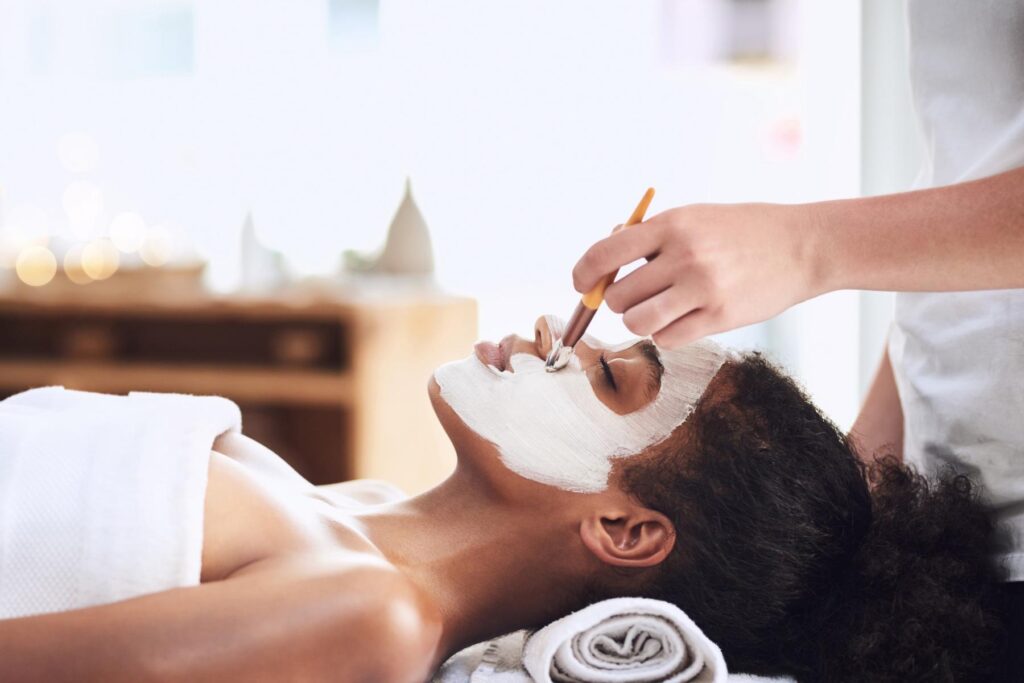
Self-care doesn’t require hours each day. Small, consistent practices have a big impact.
Simple ways to integrate self-care:
- 10 minutes of mindful breathing
- stretching after waking up
- taking short digital breaks
- regular visits to spa therapy sessions
- staying hydrated
- journaling
- practicing gratitude
- short evening routines for relaxation
- weekly massage or body treatment
- nature walks for mental clarity
Wellness centers complement these daily habits by offering deeper therapeutic support.
Choosing the Right Spa or Wellness Center
Not all wellness centers offer the same level of quality. Consider the following factors when choosing a spa:
1. Professional qualifications
Therapists should be certified and experienced.
2. Clean, peaceful environment
Cleanliness and ambiance greatly impact relaxation.
3. Range of holistic services
Variety allows clients to personalize their wellness journey.
4. Product quality
Premium oils, skincare products, and equipment matter.
5. Consultation and personalization
The best spas tailor treatments to your needs.
6. Reviews and recommendations
Client feedback can indicate service quality.
Selecting a reputable wellness center ensures meaningful results and a safe experience.
The Emotional Transformation Through Self-Care
Regular self-care and spa therapy can profoundly improve emotional health.
Emotional benefits include:
- improved resilience
- reduced overwhelm
- elevated mood
- increased self-esteem
- greater patience and calmness
- clarity during stressful moments
- deeper connection with oneself
Self-care teaches people that rest is productive and that emotional health matters.
Self-Care and Mindfulness: Returning to the Present Moment
Mindfulness is a key part of self-care. It helps individuals stay anchored in the present instead of worrying about the future or dwelling on the past.
Wellness centers support mindfulness by offering:
- meditation sessions
- calming rituals
- aromatherapy experiences
- yoga and breathwork
- serene environments free from distractions
These practices build healthier responses to stress and improve mental clarity.
How Physical Rejuvenation Supports Mental Wellness
There is a direct connection between physical and mental well-being. When the body feels lighter, looser, and more energized, the mind naturally becomes calmer and clearer.
Physical rejuvenation improves:
- mood and confidence
- cognitive function
- energy levels
- stress resilience
- sleep quality
This is why spa therapy and wellness services play such a crucial role in a holistic lifestyle.
Why Investing in Self-Care Is Essential
Many people overlook self-care because they feel too busy, too tired, or too stressed. Yet these are exactly the reasons why self-care is vital.
Investing in self-care:
- prevents burnout
- protects mental health
- improves relationships
- increases productivity
- enhances emotional stability
- boosts physical health
- extends longevity
- strengthens resilience
Self-care is an investment that benefits every area of life.
Conclusion: A Balanced Life Begins with You
Self-care is the foundation of a healthy, holistic lifestyle. In a world filled with pressure, distractions, and stress, wellness centers and spas offer essential support through therapeutic treatments, mindfulness practices, and stress-management solutions. By prioritizing your well-being, you cultivate a calm mind, a strong body, and a renewed sense of inner balance.
Modern wellness services empower individuals to reclaim their energy, restore their spirits, and reconnect with themselves. Whether through massage, meditation, detox rituals, or holistic therapies, the journey to well-being begins with a simple act: choosing yourself.


Leave a Reply