


The Importance of Self-Care in Modern Life and How Wellness Centers Support Stress Relief, Mental Balance, and Physical Rejuvenation
In today’s fast-paced world, self-care is no longer optional. It has become a vital foundation of a healthy, balanced, and meaningful life. With increasing workloads, constant digital stimulation, social pressure, and daily responsibilities, many people struggle with stress, fatigue, and mental overload. As a result, the demand for self-care practices and professional wellness services continues to grow.
Wellness centers, spas, and holistic therapy providers now play an essential role in helping individuals restore balance, reduce stress, and maintain overall well-being. Through spa therapy, relaxation treatments, mindfulness activities, and holistic lifestyle guidance, these centers offer a safe space to unwind and reconnect with one’s inner self.
This comprehensive guide explores the importance of self-care in modern life, the benefits of stress management, and how wellness centers support mental clarity, physical healing, and emotional stability. It also highlights the value of holistic living and the far-reaching effects of consistent wellness routines.
Why Self-Care Matters More Than Ever Before
Modern life demands constant attention. Smartphones keep us connected at all times, workplaces require high performance, and social life brings expectations that can be hard to meet. Without conscious self-care, these pressures accumulate and can lead to burnout, anxiety, or long-term health problems.
Self-care includes any activity that enhances physical, emotional, or mental well-being. It is not limited to pampering or relaxation—it encompasses nutrition, sleep, stress management, mindfulness, and wellness rituals that support a healthy lifestyle.
Key reasons self-care is essential today
1. Increasing levels of stress
Chronic stress affects millions of people worldwide. Without effective stress management, the body remains in a constant state of tension, which can weaken the immune system, disrupt sleep, cause fatigue, and elevate anxiety.
2. Mental health challenges are rising
Depression, anxiety, and emotional exhaustion have become widespread. Self-care provides tools to restore emotional balance and build resilience.
3. Constant digital stimulation
Endless notifications, social media, and digital communication leave little room for reflection or rest. Spa therapy and wellness services allow individuals to disconnect and rebalance.
4. Sedentary lifestyles
Many people spend hours sitting at desks, leading to physical strain, muscle tension, and poor circulation. Holistic therapies such as massage, aromatherapy, and body treatments help counteract these effects.
5. Lack of personal time
People often prioritize responsibilities over their own needs. Self-care reinforces the importance of slowing down and investing in one’s physical and mental health.
For these reasons, self-care has evolved into a necessary lifestyle component and not merely a luxury.
The Relationship Between Self-Care and Stress Management
Effective stress management is at the core of self-care. When stress builds up, the nervous system enters “fight or flight” mode, making it harder to relax, concentrate, or enjoy life. Long-term stress can lead to chronic fatigue, anxiety disorders, and a weakened immune response.
How self-care supports stress relief
1. Interrupts the stress cycle
Relaxation practices such as deep breathing, meditation, massage therapy, and aromatherapy help switch the nervous system from stress mode to relaxation mode.
2. Improves emotional regulation
Mindfulness, spa rituals, and wellness exercises create mental clarity, helping individuals respond calmly to everyday challenges.
3. Enhances the mind-body connection
Self-care helps people listen to their bodies, recognize early signs of exhaustion, and respond with appropriate rest or treatment.
4. Boosts happiness and satisfaction
Acts of self-care trigger the release of endorphins and serotonin, which improve overall mood.
5. Prevents burnout
Regular relaxation reduces the risk of emotional or mental collapse.
Wellness centers specialize in therapies that enhance all these aspects, making stress management more accessible and effective.
How Wellness Centers and Spas Support Modern Self-Care
Wellness centers combine professional therapies, holistic practices, and relaxing environments to help individuals restore harmony in their lives. These facilities offer structured, personalized, and scientifically backed approaches to support a healthy lifestyle.
What wellness centers provide
- Spa therapy and stress-relief treatments
- Massage therapy for muscle recovery and relaxation
- Holistic wellness consultations
- Mindfulness and meditation sessions
- Detox programs and body cleansing rituals
- Beauty care for skin, body, and rejuvenation
- Hydrotherapy and thermal treatments
Each service helps individuals slow down, reconnect with themselves, and recharge physically and mentally.
The Power of Spa Therapy for the Body and Mind
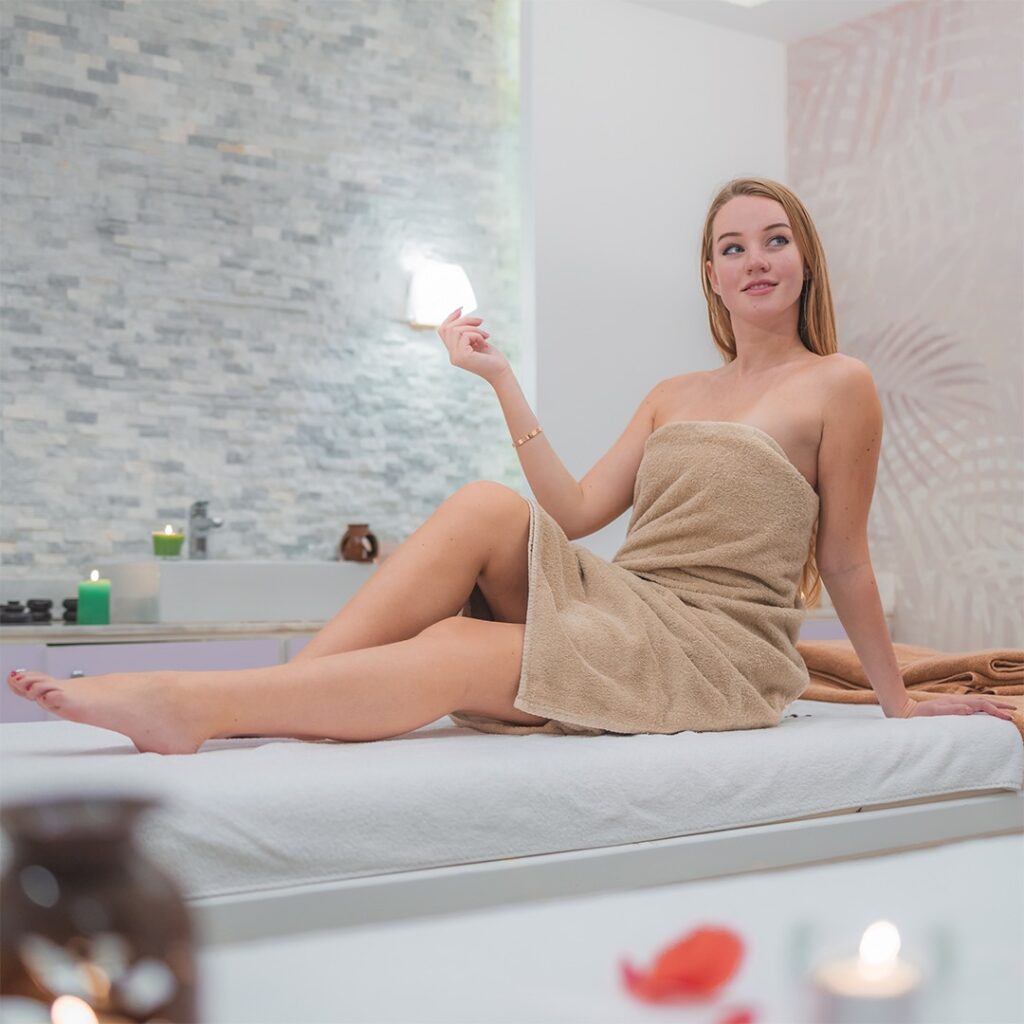
Spa therapy is one of the most effective forms of self-care. It incorporates therapeutic treatments designed to heal the body, calm the mind, and nourish the senses.
Benefits of spa therapy
1. Deep relaxation
Soothing treatments such as aromatherapy massage, hot stone therapy, or hydrotherapy calm the nervous system and reduce tension.
2. Improved blood circulation
Massages stimulate circulation, helping oxygen and nutrients reach muscles and organs more efficiently.
3. Pain relief and muscle recovery
Many people suffer from muscle stiffness, desk posture issues, or chronic pain. Spa therapy helps release tension and restore mobility.
4. Skin renewal and beauty care
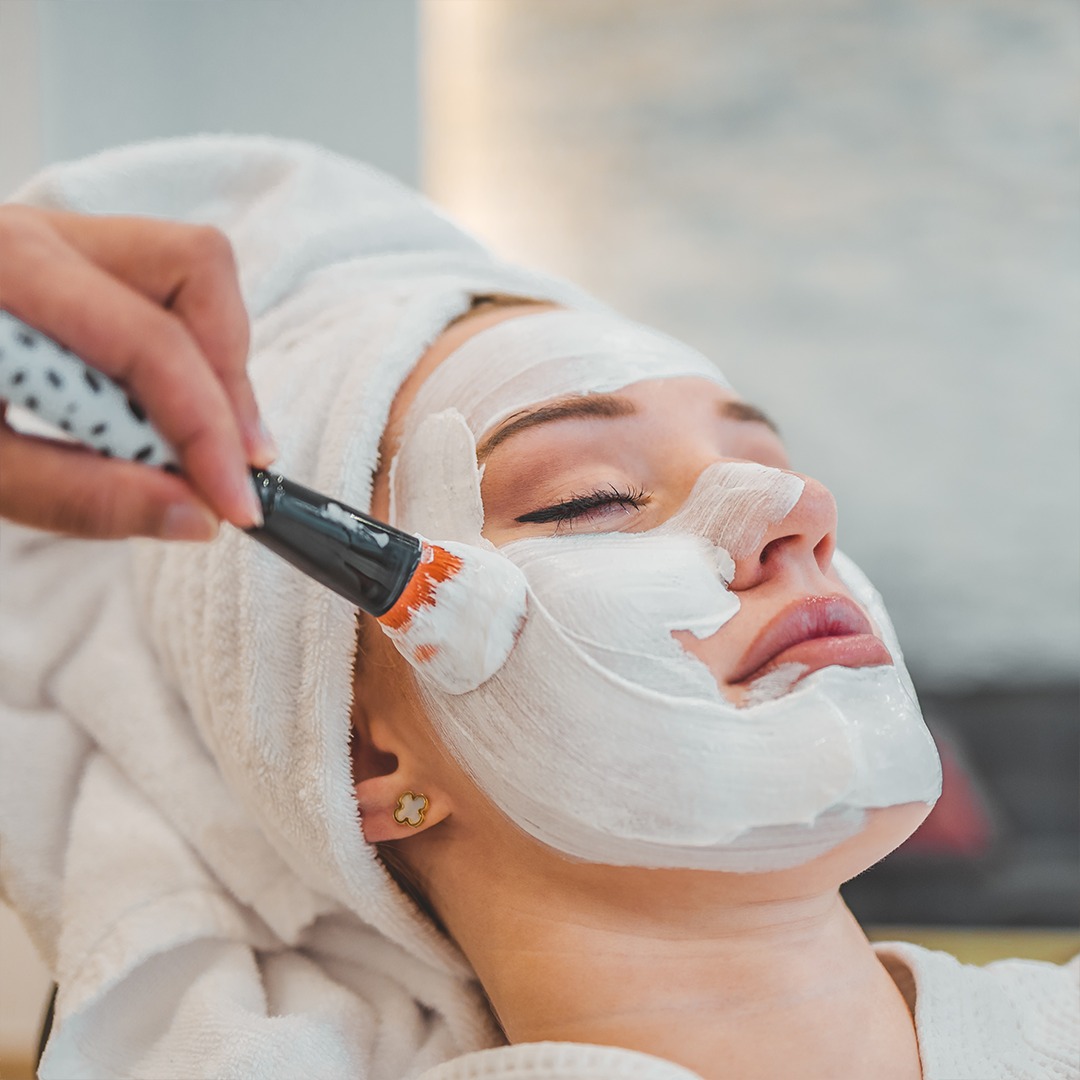
Facials, body scrubs, and hydrating treatments enhance complexion, promote healing, and boost confidence.
5. Detoxification
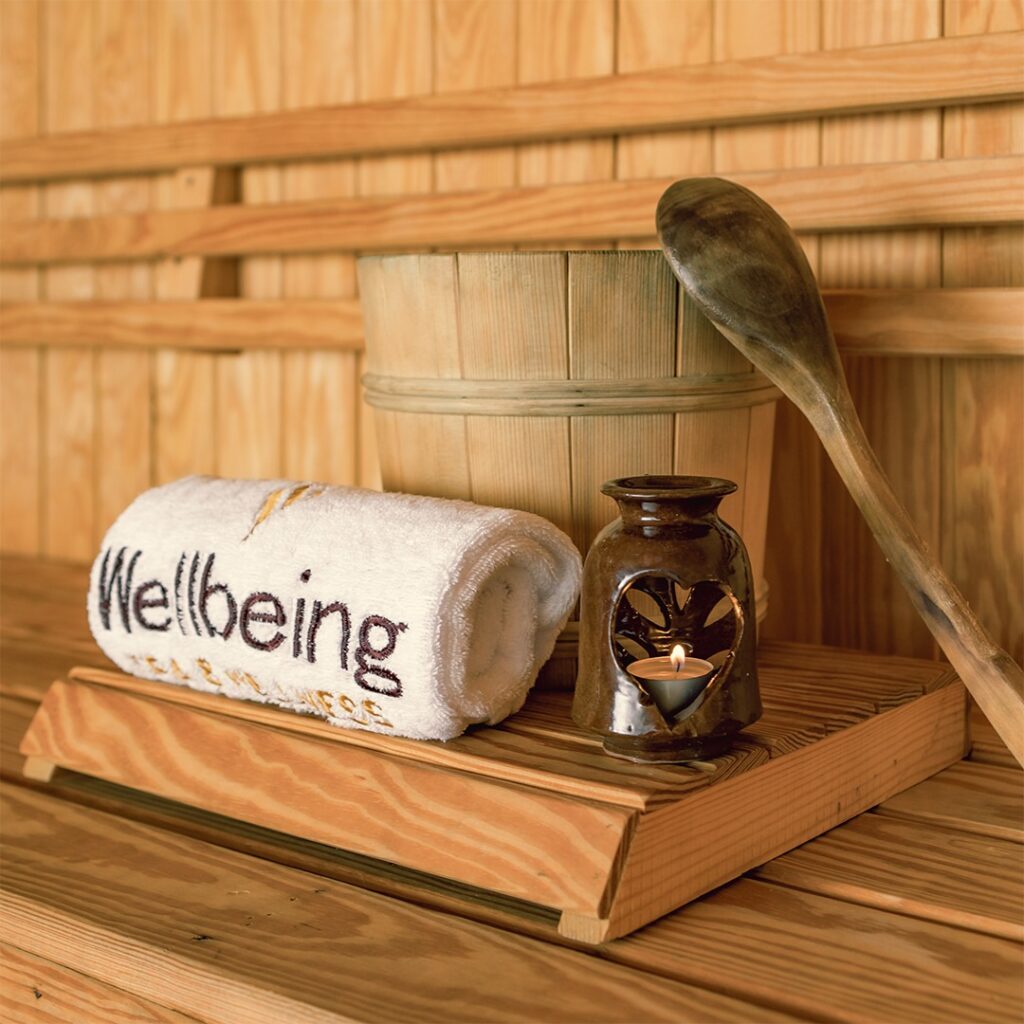
Wraps, saunas, and exfoliation remove toxins and support lymphatic drainage.
6. Mental clarity
Quiet, calming environments help reduce noise, stress, and mental overload.
Spa therapy integrates both physical and emotional healing, making it a valuable component of stress management and holistic living.
Massage Therapy as a Core Wellness Practice
Massage therapy is one of the most popular wellness treatments because it aligns perfectly with the principles of self-care. It supports both physical rejuvenation and mental well-being.
Types of massage therapy and their benefits
Swedish massage
Ideal for relaxation, this technique uses long, flowing movements to soothe the body and reduce tension.
Deep tissue massage
Focuses on deeper muscle layers to treat chronic pain, stiffness, and sports injuries.
Aromatherapy massage
Combines essential oils with massage techniques to enhance emotional balance, relaxation, and mood.
Hot stone massage
Uses heated stones to warm muscles and improve energy flow, creating intense relaxation.
Reflexology
Stimulates pressure points in the feet, improving circulation and promoting overall energy balance.
Massage therapy supports stress relief, encourages better sleep, reduces anxiety, and promotes long-term well-being.
Mindfulness and Mental Balance Through Wellness Practices
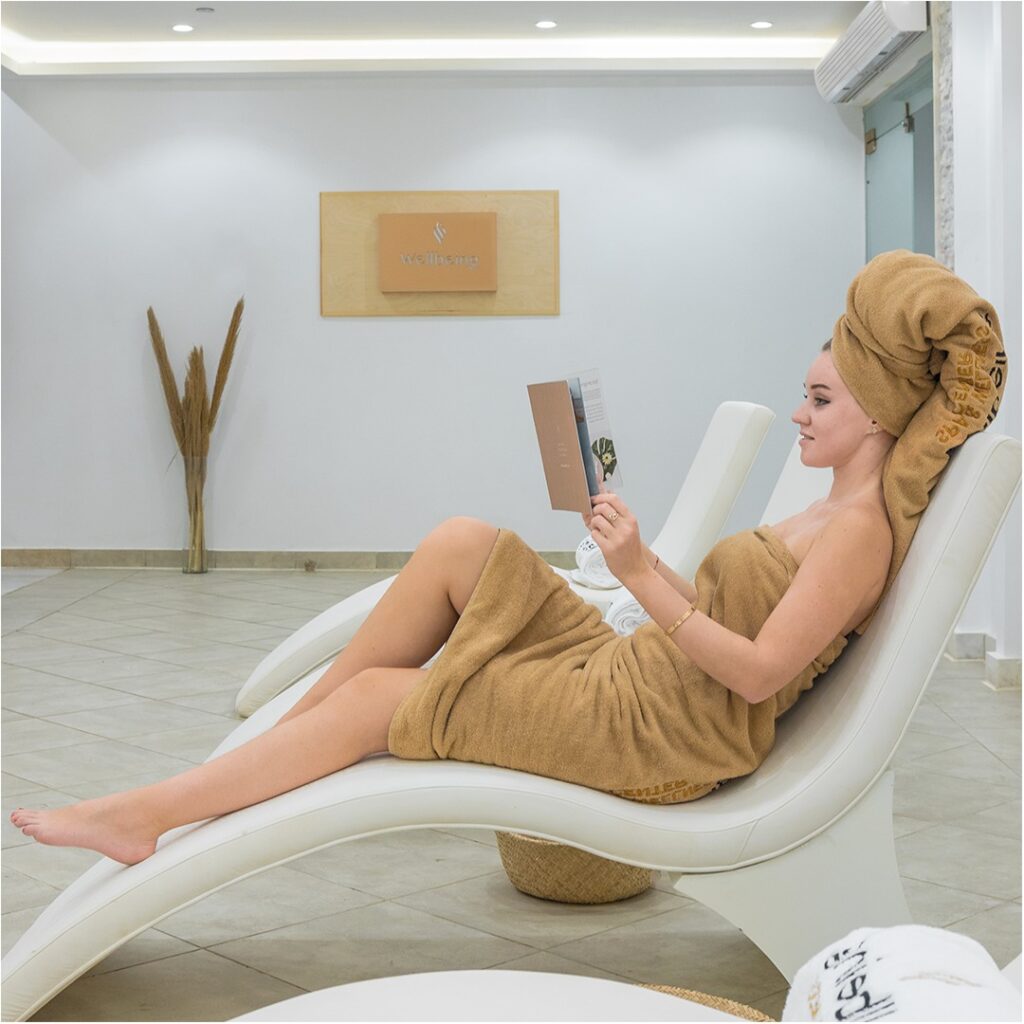
Mental well-being is a central part of self-care. Wellness centers increasingly offer mindfulness sessions, meditation guidance, and relaxation techniques to support mental clarity.
How mindfulness enhances modern life
1. Encourages slow, intentional breathing
This reduces stress hormones and calms the mind.
2. Improves concentration
Mindfulness strengthens attention span and reduces mental fog.
3. Supports emotional stability
People who practice mindfulness are more resilient during difficulties.
4. Helps break negative thought patterns
Meditation encourages awareness and reduces automatic reactions.
5. Promotes inner peace
A quiet mind improves creativity, productivity, and overall happiness.
Wellness centers often include guided sessions, breathing workshops, and quiet treatment rooms that make practicing mindfulness easier and more enjoyable.
Holistic Lifestyle: A Complete Approach to Health and Wellness
Holistic wellness focuses on treating the entire person—body, mind, and spirit. Instead of addressing a single symptom, holistic living considers lifestyle choices, emotional balance, nutrition, rest cycles, and physical movement.
Key elements of a holistic lifestyle
Balanced nutrition
Eating fresh, nutrient-rich foods supports energy levels and overall health.
Quality sleep
Rest is essential for healing and cognitive function.
Physical activity
Movement keeps the body strong, flexible, and energized.
Emotional well-being
Practices such as journaling, therapy, or meditation maintain mental health.
Spiritual connection
This may include yoga, breathwork, or personal reflection.
Wellness centers help individuals integrate these elements through holistic therapies, relaxation programs, and expert guidance.
The Role of Wellness Services in Supporting Daily Self-Care
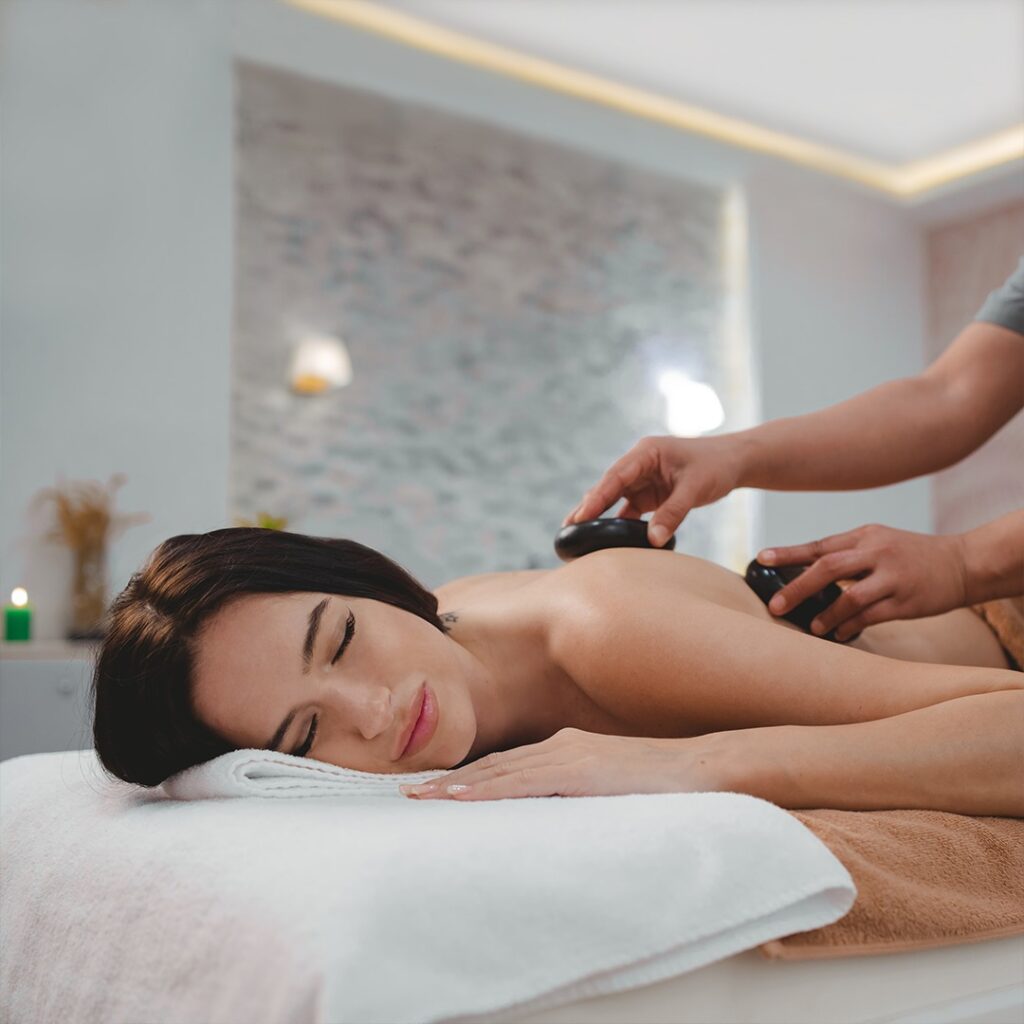
Professional wellness services make self-care easier, structured, and more effective. They allow individuals to disconnect from stress and experience deep relaxation in a supportive environment.
Key wellness services that enhance modern self-care
1. Guided relaxation programs
These include sound therapy, meditation rooms, and aromatherapy.
2. Personalized spa therapy
Treatments tailored to stress levels, muscle tension, skin conditions, or emotional needs.
3. Beauty and skincare treatments
Self-care also involves feeling confident and refreshed.
4. Hydrotherapy and warm water treatments
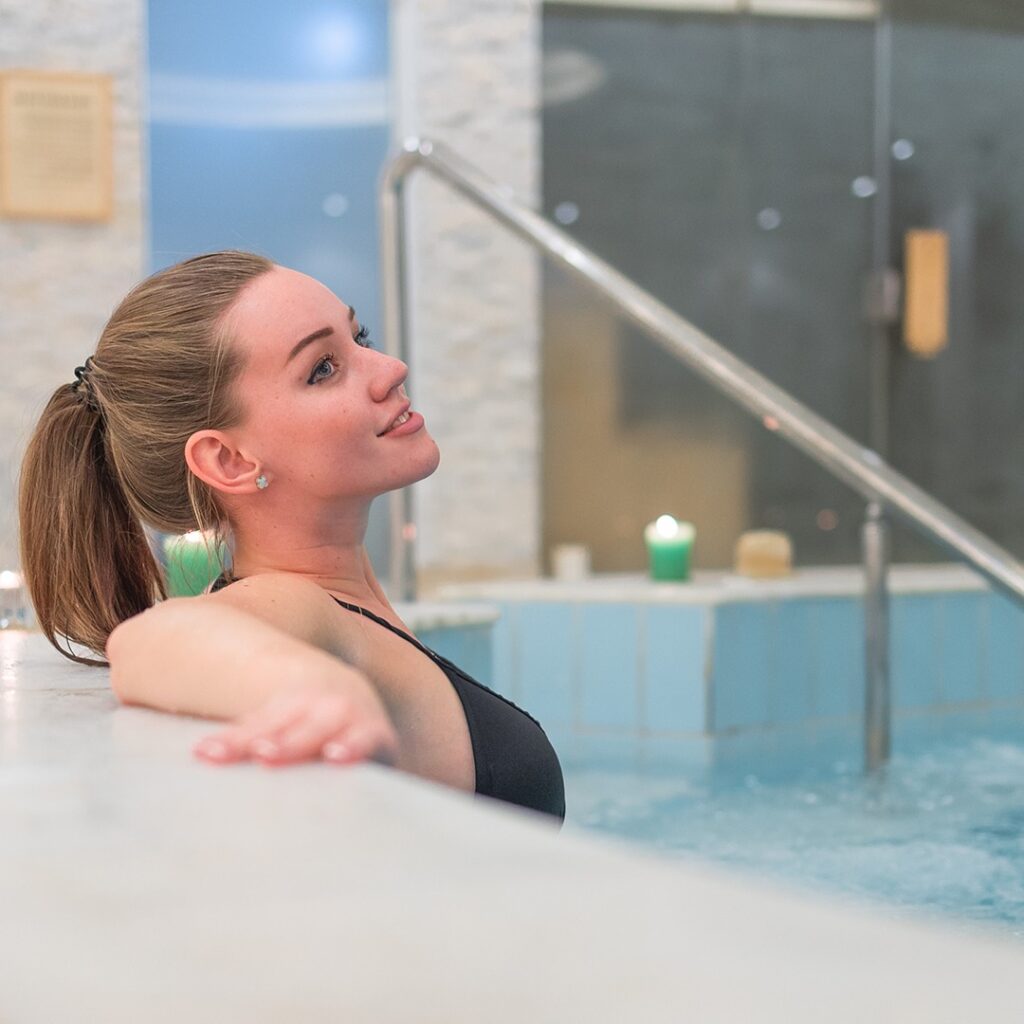
Water naturally soothes muscles and reduces stress.
5. Body detox treatments
Helps remove toxins, reduce swelling, and improve energy.
6. Mental wellness sessions
Some centers offer lifestyle coaching or stress management consultations.
By integrating these services into a regular routine, individuals can maintain a healthier, more balanced lifestyle.
How Self-Care Affects Long-Term Well-Being
Self-care is not a quick fix. It is a lifestyle commitment that brings long-term benefits to physical health, emotional stability, and overall happiness.
Long-term effects of consistent self-care
- Stronger immune system
- Better sleep quality
- Healthier skin and improved appearance
- Balanced mood and reduced anxiety
- Enhanced focus and productivity
- Greater sense of purpose and life satisfaction
- Lower risk of burnout
When self-care is prioritized, individuals become more resilient, confident, and energetic.
Why Wellness Centers Are Essential in Today’s World
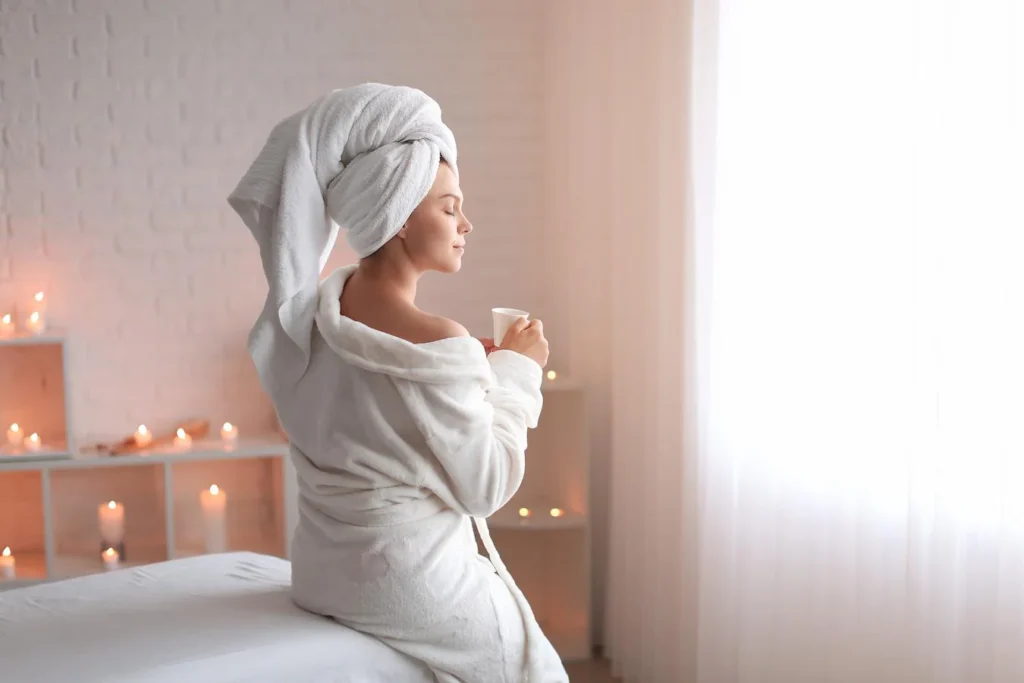
As stress levels rise worldwide, wellness centers offer a safe refuge for relaxation and healing. These environments are designed to slow down the mind, calm the body, and encourage a deeper sense of well-being.
What makes wellness centers so effective
Professional expertise
Therapists and wellness specialists understand the body and mind and tailor treatments accordingly.
Atmosphere of calm
The environment itself promotes relaxation through quiet spaces, soft lighting, natural scents, and soothing music.
Holistic approach
Wellness centers address emotional, physical, and mental needs simultaneously.
Structured care
Treatments follow a professional sequence, maximizing the benefits of relaxation and healing.
A break from routine
Visiting a spa provides physical and mental distance from daily stressors.
This combination makes wellness centers valuable partners in self-care, stress management, and personal growth.
Creating a Self-Care Routine Inspired by Spa and Wellness Practices
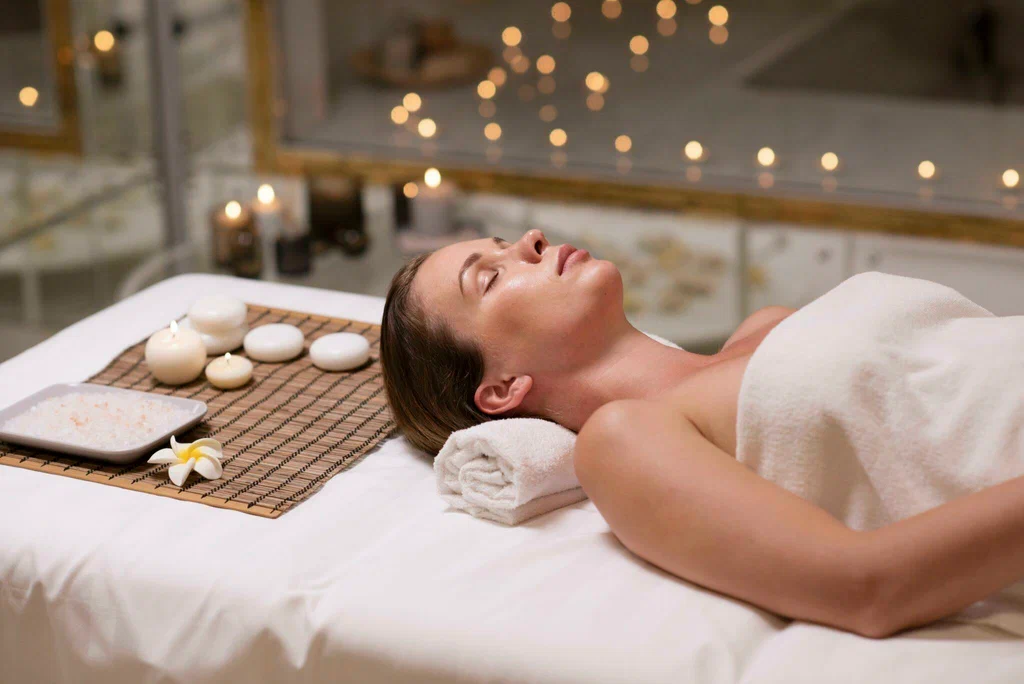
Even if you can’t visit a spa regularly, you can bring elements of wellness into your daily life.
Steps to build a sustainable self-care routine
1. Set aside daily quiet time
Even 10 minutes of calm breathing or meditation can reset the mind.
2. Practice stress management techniques
Breathwork, stretching, or mindfulness breaks make a big difference.
3. Prioritize sleep
A consistent sleep routine improves energy and mental clarity.
4. Stay hydrated and eat balanced meals
Nutrition plays a key role in mood and physical health.
5. Schedule regular wellness services
A monthly massage or spa therapy session can prevent stress buildup.
6. Create mini spa rituals at home
Use scented oils, warm baths, or skincare routines to promote relaxation.
Small actions done consistently have transformative effects.
Final Thoughts: Self-Care Is the Foundation of a Balanced Life
Self-care is not indulgence—it is essential. In the chaos of modern life, it provides structure, balance, and emotional grounding. Wellness centers and spas play a crucial role in supporting this journey by offering professional stress relief, massage therapy, mindfulness practices, and holistic lifestyle guidance.
By embracing self-care through spa therapy, mental balance activities, relaxation rituals, and wellness services, individuals can build a healthier, more peaceful, and more fulfilling life. Prioritizing well-being today leads to long-lasting resilience, happiness, and physical vitality.



Leave a Reply