


The Complete Guide to Stress Relief Through Spa Treatments: How Massages, Aromatherapy & Holistic Therapies Improve Mental Wellbeing
Modern life is fast, overwhelming, and constantly demanding. People work long hours, manage families, rush through responsibilities, and stay connected to devices from morning until night. Not surprisingly, stress, anxiety, muscle tension, burnout, and emotional fatigue have become everyday struggles.
Because of this, millions of people are turning to spa treatments for stress relief—not as luxury experiences, but as essential tools for emotional health, relaxation, and mental wellbeing.
This long, in-depth guide explains how spa treatments reduce stress, calm the mind, improve sleep, relax muscles, and support holistic mental wellness. You’ll learn the scientific mechanisms, emotional benefits, treatment recommendations, and lifestyle strategies to maintain long-term balance.
1. Why Stress Affects the Body and Mind So Deeply
To understand why spa treatments are so effective, you must first understand what stress actually does inside the body.
The Stress Response (Fight or Flight)
When you feel pressure, fear, or overload, your body releases:
- Cortisol (stress hormone)
- Adrenaline (increases heart rate and alertness)
- Noradrenaline (mental focus for danger)
This reaction is helpful in emergencies—but harmful when activated daily.
Chronic Stress Symptoms
Long-term activation leads to:
- Muscle tension in shoulders, neck, back, and jaw
- Headaches and migraines
- Anxiety and overthinking
- Digestive issues
- Poor sleep and insomnia
- Weak immune system
- Emotional exhaustion
- Hormonal imbalance
This is why stress cannot be treated only mentally—it lives inside the muscles and nervous system.
How Spa Treatments Reverse These Effects
Spa therapies stimulate the parasympathetic nervous system, also known as the “rest and restore” state. This slows the heart rate, reduces cortisol, deepens breathing, and relaxes both mind and body—creating the opposite of stress.
2. The Scientific Benefits of Spa Treatments for Stress and Emotional Health
Spa treatments are not just “relaxing.” They create biochemical, physiological, and psychological changes proven in studies.
Here are the key scientifically supported effects:
2.1 Reduction of Cortisol Levels
Multiple clinical studies show:
- Massage therapy can reduce cortisol by 31% on average.
- Aromatherapy massage lowers heart rate and blood pressure.
- Hot stone therapy reduces muscle-related cortisol spikes.
Lower cortisol = less anxiety, fewer stress symptoms, and better emotional balance.
2.2 Increased Serotonin & Dopamine
These hormones create feelings of:
- Calm
- Happiness
- Emotional stability
- Safety and warmth
Massage therapy increases both serotonin and dopamine levels—up to 28% according to research. These changes directly counter anxiety and low mood.
2.3 Improved Circulation & Oxygenation
Warm treatments, massages, and body wraps:
- Stimulate blood flow
- Deliver oxygen to tight muscles
- Remove toxins and inflammation
- Improve cell repair
Poor circulation often leads to fatigue, brain fog, and stress-induced headaches.
2.4 Lower Muscle Tension = Lower Anxiety
There is a psychological rule:
When your muscles relax, your mind relaxes.
This is because muscle tension sends signals to the brain that you are in danger. Spa treatments break this cycle, allowing both the physical body and the emotional self to unwind.
2.5 Activation of the Parasympathetic Nervous System
Therapies like:
- Swedish massage
- Aromatherapy
- Hot stone
- Reflexology
- Hydrotherapy
shift the body into a deep recovery state, slowing down:
- Heart rate
- Stress hormones
- Rapid thoughts
- Nervous activity
This induces a calm, meditative state.
2.6 Better Sleep Quality
Spa therapies improve sleep by:
- Regulating melatonin
- Easing muscle pain
- Reducing anxiety
- Calming the nervous system
Many clients report sleeping better after just one session.
3. The Emotional and Psychological Benefits of Spa Treatments
Although science explains the biological effects, spa treatments also support the emotional and psychological aspects of wellbeing.
3.1 Emotional Release
Stress often gets stored physically. During treatments, many people experience:
- Relief
- Calm
- Crying (a normal and healthy release)
- Deep comfort
This is because physical touch and warmth signal safety to the nervous system.
3.2 Mental Clarity & Reduced Overthinking
After stress melts away, people experience:
- Clearer thinking
- Better focus
- Improved creativity
- Reduced racing thoughts
This clarity helps with decision-making and emotional balance.
3.3 Feeling Cared For
The simple act of receiving care reduces emotional tension. Being touched with intention and compassion has profound effects on:
- Self-worth
- Confidence
- Emotional resilience
Human connection itself is healing.
3.4 Mood Enhancement
Spa treatments often create a lasting sense of:
- Happiness
- Lightness
- Positivity
- Inner peace
This emotional reset can last days or weeks.
4. Best Spa Treatments for Stress Relief and Mental Wellbeing
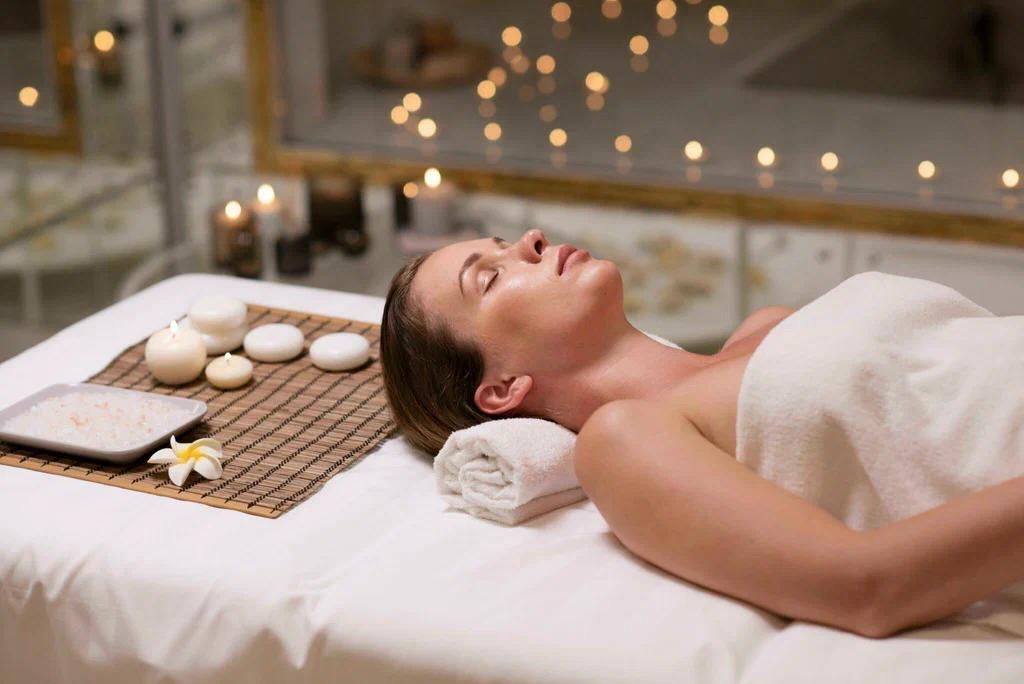
Different treatments target different aspects of stress. Below is a complete list with detailed explanations.
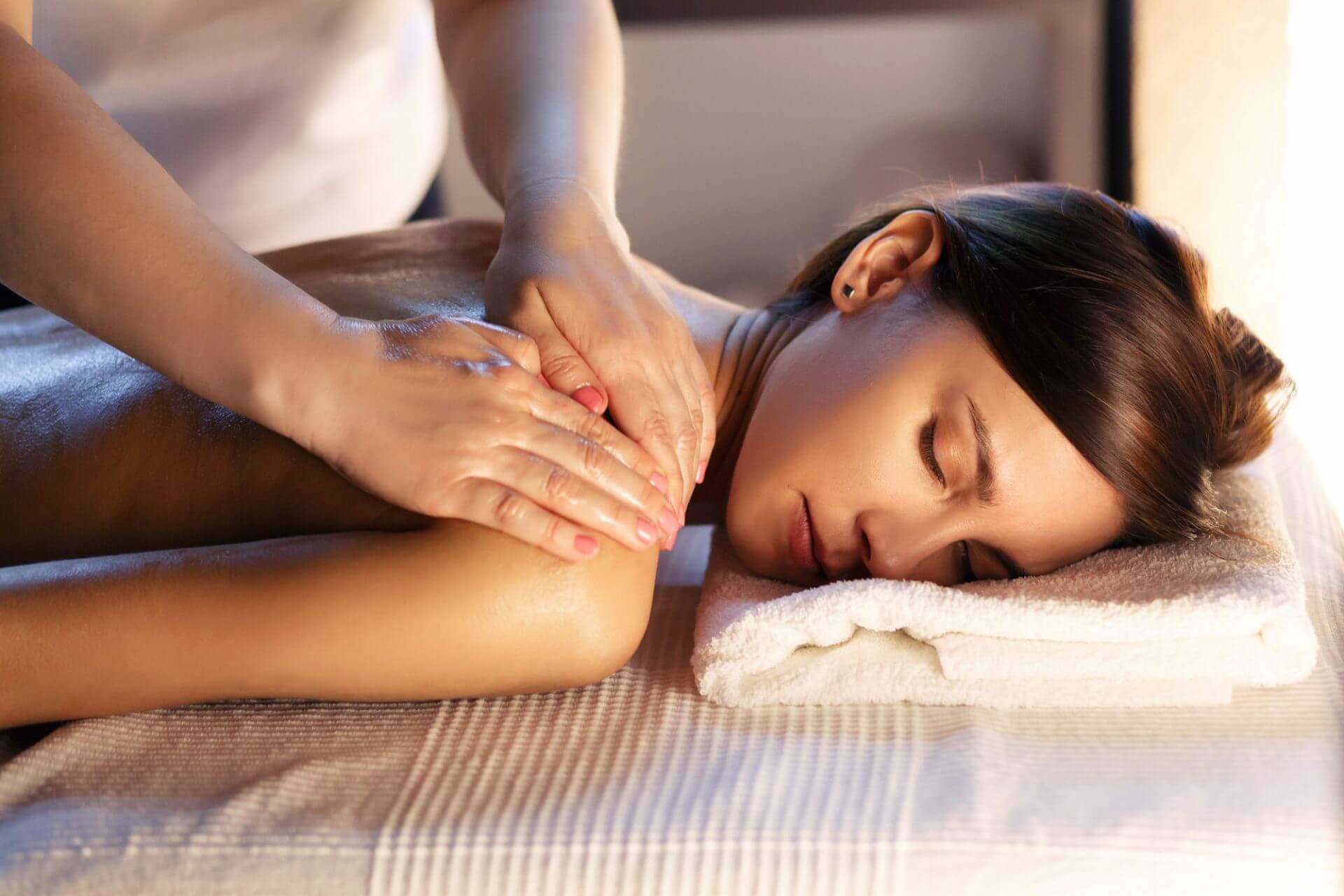
4.1 Swedish Massage — The Classic Stress-Relief Therapy
Best for: Overall relaxation, anxiety, muscle tension, emotional calm.
This massage uses long, gentle strokes to release stress from the entire body. It is ideal for people who:
- Feel mentally overwhelmed
- Experience tension in shoulders and back
- Need emotional comfort
- Want deep relaxation without strong pressure
Benefits:
- Lowers cortisol
- Deeply relaxes muscles
- Improves circulation
- Calms the mind
- Supports restful sleep
4.2 Deep Tissue Massage — For Chronic Tension & Stress Stored in Muscles
Best for: People with intense tension, knots, or pain caused by stress.
Deep tissue massage targets deeper layers of muscle where stress often accumulates. It is ideal for office workers, athletes, or people with chronic anxiety.
Benefits:
- Releases knots
- Improves mobility
- Reduces pain
- Releases emotional tension stored in muscles
4.3 Aromatherapy Massage — Emotional & Mental Healing Through Essential Oils
Combining touch and scent creates powerful results.
Popular oils for stress and emotional wellbeing:
- Lavender — reduces anxiety, improves sleep
- Chamomile — calms the nervous system
- Bergamot — lifts mood
- Patchouli — stabilizes emotions
- Sandalwood — grounding and peaceful
Benefits:
- Regulates mood
- Balances emotions
- Deepens relaxation
- Supports mental clarity
4.4 Hot Stone Massage — Soothing Heat for Deep Relaxation
Warm stones melt muscle tension, making the client feel safe and calm.
Benefits:
- Relieves chronic tension
- Reduces stress hormones
- Improves circulation
- Encourages meditation-like calm
- Great for insomnia and anxiety
4.5 Reflexology — Balancing the Mind Through the Feet
Reflexology stimulates pressure points on the feet linked to organs and systems.
Benefits include:
- Deep relaxation
- Better sleep
- Emotional release
- Improved energy flow
- Stress reduction
Ideal for people who prefer non-invasive treatments.
4.6 Hydrotherapy — Healing Through Water
This includes:
- Jacuzzis
- Hot tubs
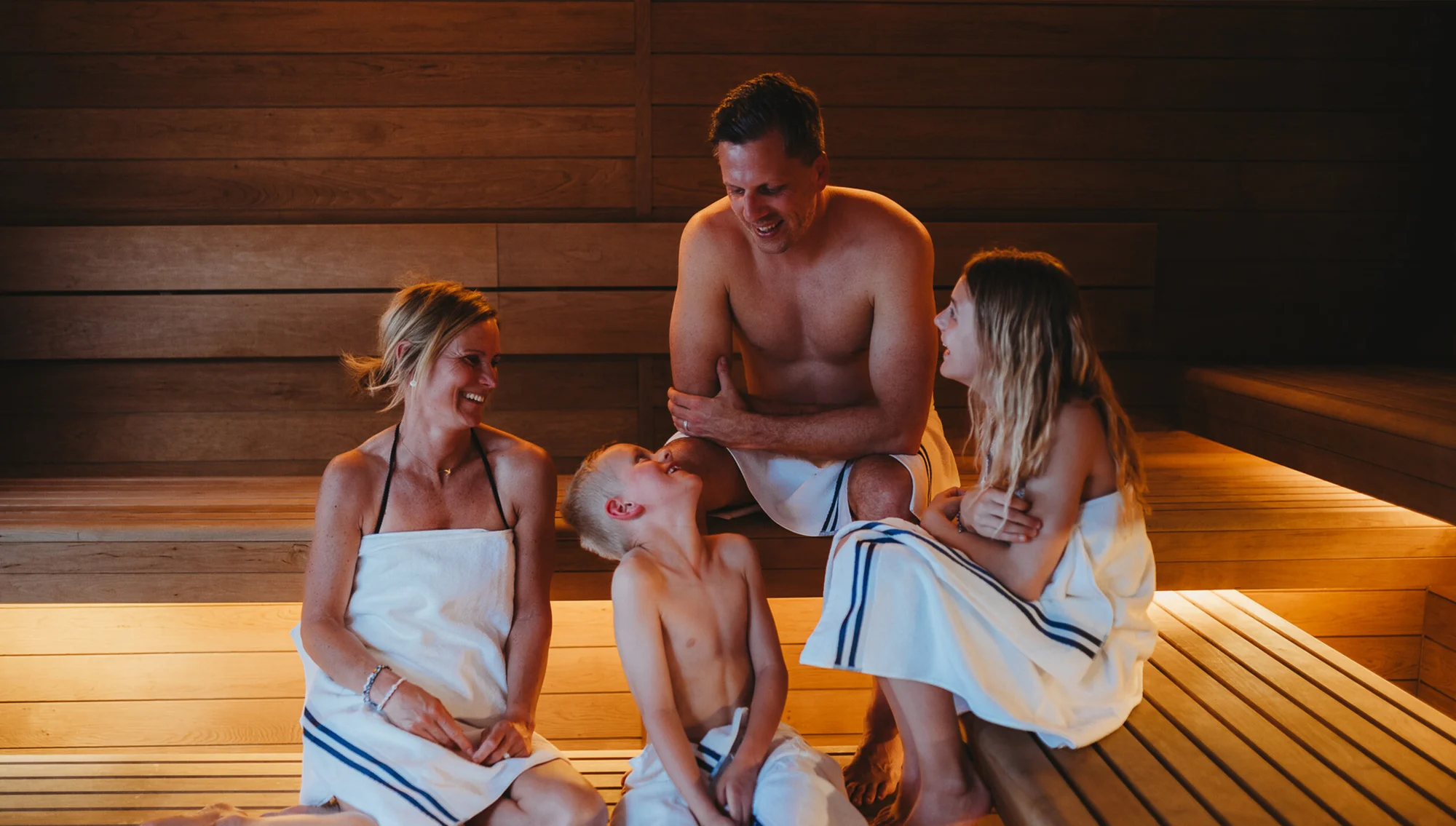
- Saunas
- Steam rooms
- Vichy showers
Warm water and steam relax muscles, detoxify the body, and calm the nervous system.
4.7 Body Wraps & Scrubs — Emotional and Physical Renewal
Detox wraps and exfoliating scrubs stimulate circulation and soften the skin, giving a sense of renewal.
These treatments create emotional benefits such as:
- Feeling refreshed
- Feeling lighter
- Improved confidence
- Mental reset
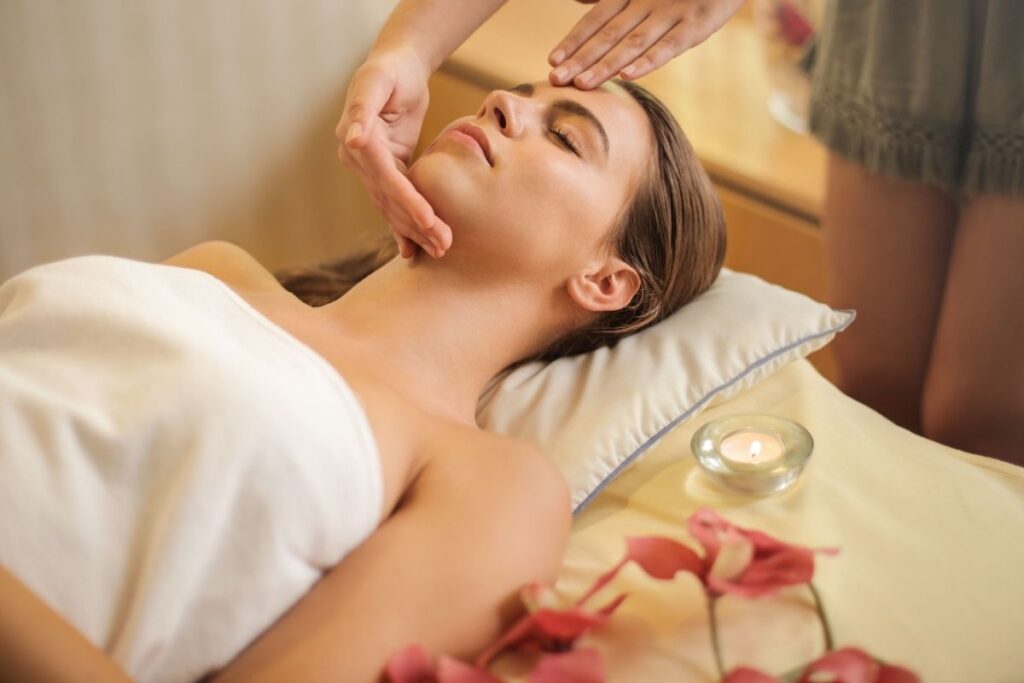
4.8 Facial Treatments — Relaxation Through Gentle Touch
Facials are surprisingly powerful for mental wellbeing because:
- Facial nerves connect to relaxation centers
- Slow, rhythmic strokes calm the mind
- Skin-to-skin contact reduces anxiety
4.9 Reiki & Energy Healing — Holistic Emotional Balance
For people open to holistic therapies, Reiki provides:
- Emotional cleansing
- Deep calm
- Release of internal stress
- Chakra balancing
Even without belief, the rhythmic touch is relaxing.
4.10 Spa Baths: Milk, Salt, or Herbal Infusions
Warm baths enriched with:
- Magnesium salts
- Essential oils
- Herbs
- Milk
- Rose petals
can drastically reduce stress, improve sleep, and nourish the skin.
5. How Spa Environments Support Mental Wellness
Spa experiences are therapeutic not only for the treatments, but also for the environment itself.
Soft Lighting
Low light reduces sensory overload.
Aromatherapy Scents
Scents like lavender, sandalwood, eucalyptus, and jasmine activate the relaxation centers in the brain.
Calming Music
Slow music reduces heart rate and breath speed.
Warm Atmosphere
Warmth relaxes muscles, signaling safety to the brain.
Quiet & Peacefulness
Silence gives the mind a break from constant stimulation.
Mindful Ambiance
Everything in the spa is designed to activate the calm, healing side of the nervous system.
6. How Often Should You Get Spa Treatments for Mental Wellbeing?
The frequency depends on your stress levels:
High stress / burnout
1–2 times per week
Moderate stress
Every 2 weeks
Maintenance / prevention
Once a month
Quick stress resets
30–45 minute treatments weekly (reflexology, back massage, mini facial)
Just like exercise, consistency matters more than intensity.
7. Lifestyle Tips to Extend the Benefits of Spa Treatments
Spa therapies offer powerful short-term relief, but you can strengthen their effects by building a healthier lifestyle.
7.1 Daily Relaxation Rituals
Just 10–15 minutes a day can change your emotional health:
- Deep breathing
- Journaling
- Meditation
- Warm bath
- Stretching
- Aromatherapy diffuser
7.2 Use Essential Oils at Home
Scents influence the nervous system. Use oils such as:
- Lavender
- Ylang-ylang
- Rosemary
- Eucalyptus
- Frankincense
Use them as:
- Diffuser blends
- Pillow sprays
- Massage oils
- Bath additions
7.3 Stay Hydrated
Water reduces fatigue and improves clarity. Dehydration increases stress.
7.4 Reduce Digital Overload
Take breaks from screens to prevent overstimulation.
7.5 Improve Sleep Hygiene
Good sleep is the ultimate stress healer:
- No screens 2 hours before bed
- Keep the room cool
- Use calming aromas
- Maintain consistent schedule
7.6 Move Your Body
Exercise releases stress, improves mood, and strengthens sleep.
7.7 Plan Regular Spa Days
A monthly ritual helps:
- Prevent burnout
- Support peace of mind
- Improve emotional resilience
8. How Spa Treatments Support Long-Term Emotional Health
Spa therapy is not just a temporary relief—it builds long-term resilience by:
8.1 Releasing Stored Emotional Tension
Muscle knots often hide emotional pain. Releasing them brings psychological relief.
8.2 Teaching the Body to Relax Again
Under chronic stress, the body forgets how to rest. Spa therapy retrains the nervous system.
8.3 Creating Regular Peaceful Moments
These serve as anchors during stressful periods.
8.4 Improving Sleep
Better sleep = better emotional health.
8.5 Boosting Confidence
Looking good contributes to feeling good.
8.6 Supporting Hormonal Balance
Especially helpful for women experiencing stress-related hormonal changes.
9. Combining Spa Therapy With Other Wellness Practices
Spa care becomes even more powerful when combined with:
- Yoga
- Mindfulness
- Nature walks
- Sound healing
- Healthy diet
- Breathwork
This creates a complete wellness lifestyle.
10. Who Benefits Most From Stress-Relief Spa Treatments?
1. Office workers
Neck and back tension relief.
2. Parents
Emotional and physical exhaustion improvement.
3. Students
Reduced anxiety + improved concentration.
4. People with insomnia
Massage and aromatherapy restore sleep cycles.
5. Athletes
Muscle recovery + mental focus.
6. Seniors
Improved circulation and relaxation.
7. People with anxiety
Calming nerve pathways.
11. Signs You Need a Spa Treatment Now
- Constant irritability
- Tight muscles
- Poor sleep
- Anxiety
- Fatigue
- Overthinking
- Headaches
- Lack of motivation
- Emotional sensitivity
If you experience more than two of these, it’s time for a de-stress session.
12. The Future of Spa Wellness: Beyond Luxury
More experts now treat spas as:
- Preventive healthcare
- Emotional therapy
- Immune support
- Mental relaxation centers
Wellness tourism is growing because people realize that relaxation is a necessity, not a luxury.
Conclusion: Spa Therapy Is One of the Most Effective, Natural Ways to Improve Mental Health
Spa treatments offer a powerful combination of scientific, emotional, and holistic benefits:
- Reduced cortisol
- Lower anxiety
- Deep muscle relaxation
- Emotional balance
- Improved sleep
- Stronger mental resilience
- Renewed clarity and peace
In a world full of stress and constant pressure, spa therapy provides the safe space your body and mind desperately need.
Whether you choose Swedish massage, aromatherapy, hot stone therapy, reflexology, energy healing, facials, or hydrotherapy, each treatment brings you closer to balance, inner peace, and sustained mental wellbeing.
A spa session is not just relaxation—it’s a healing experience that nurtures your entire being.

Leave a Reply