


Spa Services for Athletes and Active People: Boosting Performance and Recovery
For athletes and fitness enthusiasts, maintaining peak performance requires more than just rigorous training and proper nutrition. Recovery is equally important, and spa services can play a vital role in helping the body repair, relax, and stay injury-free. From massage therapy to hydrotherapy, spa treatments offer scientifically-backed benefits that improve flexibility, reduce muscle soreness, accelerate healing, and enhance overall performance.
This guide explores the most effective spa services for athletes, explains their benefits, and offers tips on integrating spa treatments into a fitness routine.
1. Why Recovery Matters for Athletes
Athletes put tremendous stress on their muscles, joints, and connective tissues. Without proper recovery, this can lead to:
- Overtraining and fatigue
- Muscle imbalances
- Decreased performance
- Higher risk of injury
Recovery is the phase where the body repairs micro-tears in muscle fibers, replenishes glycogen stores, and restores hormonal balance. Spa treatments accelerate these processes by increasing circulation, reducing tension, and supporting relaxation.
Key takeaway: Effective recovery is as essential as training itself. Spa services are not a luxury—they are a tool for performance optimization.
2. Types of Spa Services Beneficial for Athletes

a) Deep Tissue and Sports Massage
What it is:
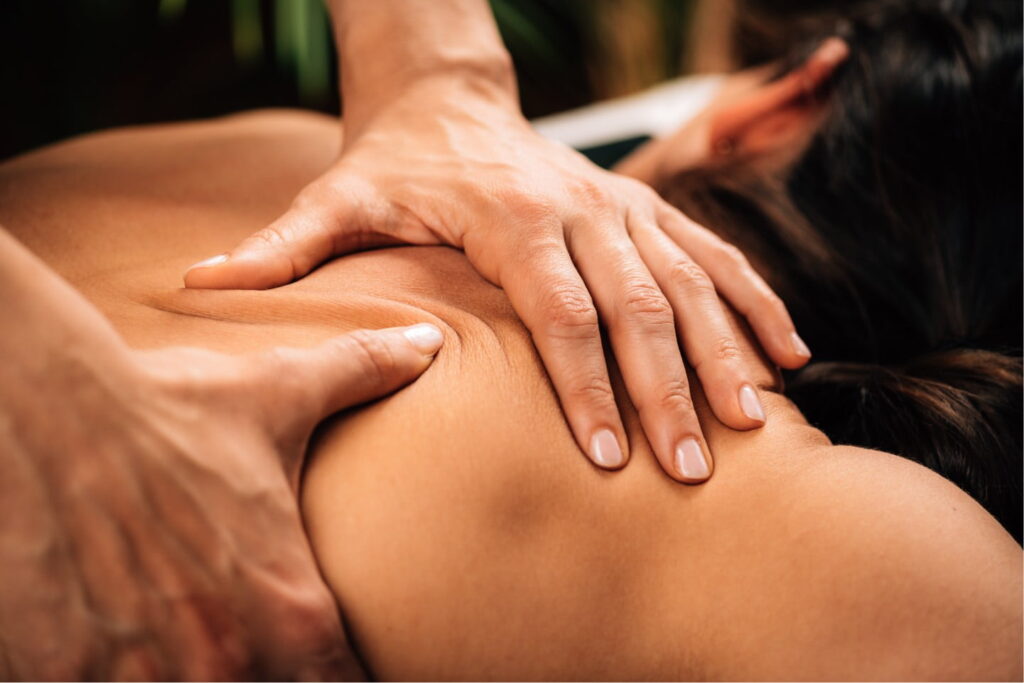
Focused massage targeting deep muscle layers, often using strong pressure to relieve chronic tension or knots.
Benefits:
- Improves blood flow to stressed muscles
- Reduces lactic acid buildup
- Enhances flexibility and range of motion
- Helps prevent injuries
Example use:
An athlete who trains for marathons may schedule a deep tissue massage 24–48 hours post-long run to accelerate recovery and reduce delayed onset muscle soreness (DOMS).
b) Swedish Massage for Relaxation and Circulation
What it is:
A lighter massage technique that promotes relaxation and circulation through long, flowing strokes.
Benefits:
- Reduces overall stress levels
- Encourages muscle relaxation
- Enhances oxygen and nutrient delivery to tissues
Example use:
Weightlifters or CrossFit enthusiasts may combine Swedish massage with foam rolling to maintain flexibility and reduce tension in tight muscle groups.
c) Hot Stone Therapy
What it is:
Heated stones placed on key muscle groups to promote relaxation and heat penetration.
Benefits:
- Relaxes stiff muscles
- Increases blood flow
- Reduces inflammation and soreness
Example use:
After an intense training session, a hot stone treatment helps an athlete’s muscles recover faster while also providing mental relaxation.
d) Hydrotherapy and Water-Based Treatments
What it is:
Water therapy includes jacuzzis, hydro-massage pools, cold plunges, and contrast baths.
Benefits:
- Cold therapy reduces inflammation and swelling
- Warm water relaxes tight muscles
- Contrast baths (alternating hot and cold) enhance circulation and recovery
Example use:
A sprinter uses a cold plunge after track practice to reduce muscle inflammation, then relaxes in a warm hydrotherapy pool to soothe tension and prevent stiffness.
e) Aromatherapy and Essential Oils
What it is:
Use of essential oils in massage or baths to enhance physical and mental recovery.
Benefits:
- Reduces stress and cortisol levels
- Promotes relaxation and mental clarity
- Supports respiratory and circulatory function
Popular oils for athletes:
- Eucalyptus (muscle relief)
- Peppermint (invigorating, anti-inflammatory)
- Lavender (relaxation, sleep support)
f) Stretching and Assisted Mobility Sessions
What it is:
Guided stretching or yoga-based sessions with therapist assistance.
Benefits:
- Improves flexibility and joint mobility
- Reduces risk of injury
- Enhances athletic performance by increasing range of motion
Example use:
Gymnasts or dancers often incorporate assisted stretching sessions in spa routines to maintain flexibility and prevent strains.
3. How Spa Treatments Aid Muscle Recovery
a) Reducing Muscle Soreness
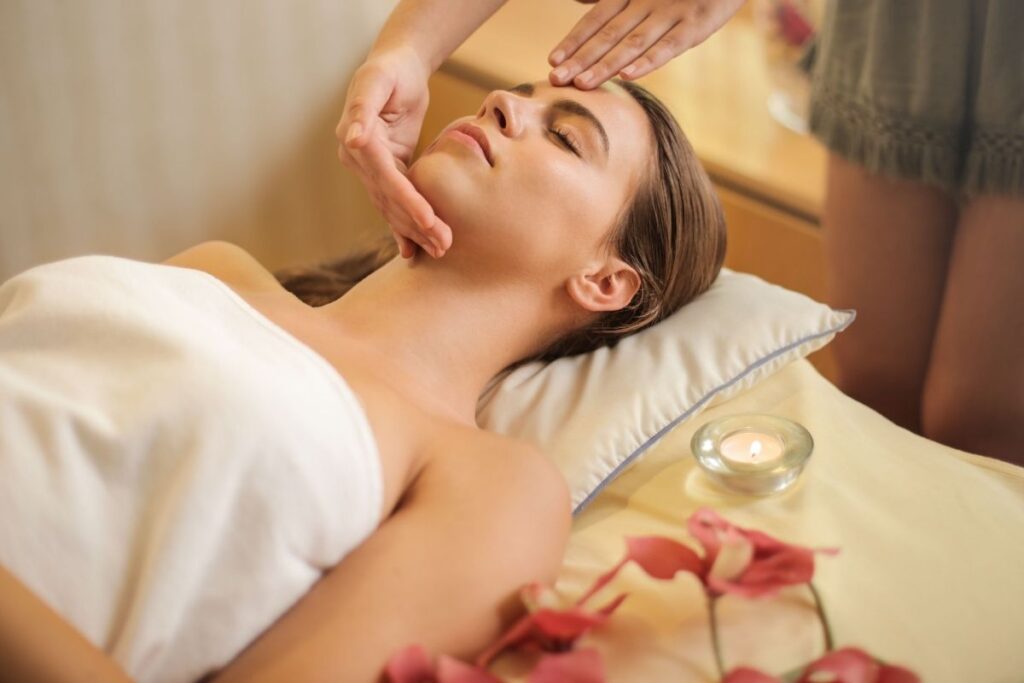
Post-workout soreness is a common issue for athletes. Treatments like deep tissue massage, hydrotherapy, and hot stone therapy help flush out lactic acid and promote faster recovery.
Practical tip: Schedule a recovery massage within 24 hours after an intense session to minimize DOMS.
b) Improving Blood Flow and Oxygen Delivery
Spa therapies stimulate circulation, delivering oxygen and nutrients to muscles that need repair. Improved circulation also helps remove metabolic waste products, speeding healing.
c) Enhancing Flexibility and Range of Motion
Tight muscles can limit performance and increase injury risk. Assisted stretching, massage, and hydrotherapy help lengthen muscles and improve joint mobility.
d) Reducing Stress and Supporting Mental Recovery
Recovery isn’t only physical. Stress impairs performance and slows healing. Spa treatments like aromatherapy, hydrotherapy, and Swedish massage reduce cortisol and promote relaxation, which is essential for overall recovery.
4. Spa Services That Support Injury Prevention
Athletes are prone to strains, sprains, and overuse injuries. Spa treatments can act as a preventive measure:
- Massage therapy: Keeps muscles loose and joints aligned.
- Hydrotherapy: Maintains joint health and reduces impact on cartilage.
- Heat therapy: Prepares muscles for workouts, reducing risk of injury.
Example: A professional soccer player receives regular pre-season deep tissue massages combined with hydrotherapy sessions to prevent hamstring and groin strains.
5. Integrating Spa Treatments Into a Training Routine
a) Frequency and Timing
- Light workouts: Spa treatments 1–2 times per week
- Intense training cycles: 2–3 sessions per week or post-competition
- Pre-competition: Focus on light massage and stretching for muscle activation
b) Combining Therapies
- Massage + hydrotherapy: Ideal for post-training recovery
- Aromatherapy + warm bath: Reduces mental and physical fatigue
- Assisted stretching + deep tissue massage: Enhances flexibility and reduces chronic tension
c) Duration and Intensity
- Standard massage: 60–90 minutes
- Hot stone therapy: 45–60 minutes
- Hydrotherapy sessions: 20–40 minutes depending on intensity
6. Choosing the Right Spa and Therapists
Considerations for athletes:
- Specialization in sports therapy: Ensure the spa understands athletic needs.
- Professional therapists: Licensed or certified therapists who know anatomy and recovery techniques.
- Facilities and equipment: Hydrotherapy pools, hot stone setups, saunas, and massage rooms.
- Customization: Programs tailored to individual training schedules and goals.
7. Real-Life Benefits and Success Stories
- Triathlete case: Weekly deep tissue massage and hydrotherapy sessions reduced recovery time after long-distance races by 30%.
- Weightlifter case: Hot stone and sports massage combined improved shoulder mobility and decreased soreness, allowing more effective training.
- Marathon runner: Contrast baths post-run prevented calf injuries and accelerated leg recovery.
These examples highlight how consistent spa treatments can significantly enhance athletic performance and longevity.
8. Tips for Maximizing Spa Benefits
- Communicate with your therapist: Explain injuries, soreness points, and training intensity.
- Stay hydrated: Drink water before and after treatments.
- Follow post-treatment advice: Rest, light stretching, and proper nutrition enhance results.
- Be consistent: Spa therapy works best as part of a regular recovery routine.
- Combine with proper sleep and nutrition: Recovery is holistic; spa treatments complement other recovery methods.
9. Mental and Emotional Benefits
Beyond physical recovery, spa services enhance mental wellness:
- Reduce anxiety and performance pressure
- Improve focus and motivation
- Enhance overall well-being, supporting better training outcomes
A calm, recovered mind is as crucial as a well-rested body for peak performance.
10. Conclusion: Spa Services as a Performance Tool
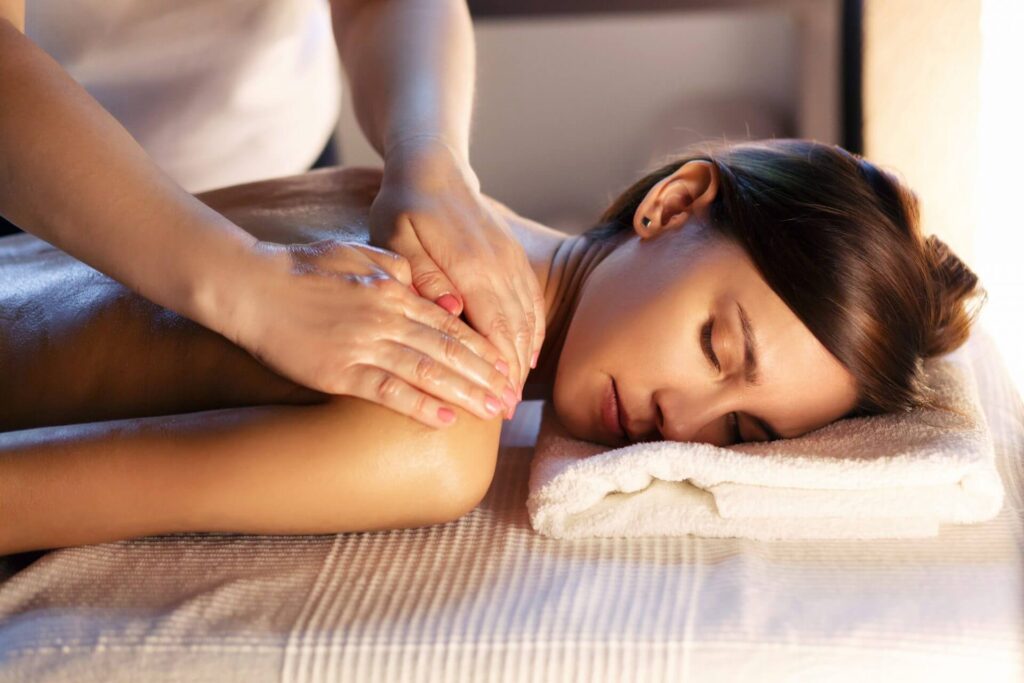
For athletes and active individuals, spa treatments are far more than a luxury—they are a strategic part of training and recovery. Benefits include:
- Reduced muscle soreness and fatigue
- Improved flexibility and mobility
- Faster injury recovery and prevention
- Enhanced mental clarity and relaxation
- Support for optimal athletic performance
By integrating spa services for athletes into your routine, you not only recover faster but also maintain long-term fitness, prevent injuries, and elevate performance levels.
FAQ: Spa for Athletes
Q1: How often should athletes get a massage?
A: Once or twice a week is ideal for moderate training; post-competition sessions may be more frequent.
Q2: Can spa treatments replace stretching?
A: No, but they complement stretching by relaxing muscles and enhancing range of motion.
Q3: Are hot stone massages safe for all athletes?
A: Yes, but avoid if you have acute injuries, open wounds, or certain medical conditions. Consult a professional.
Q4: Can hydrotherapy help with joint injuries?
A: Yes, warm water supports low-impact movement, while cold therapy reduces inflammation.
Q5: Do spa treatments improve performance directly?
A: Indirectly—they enhance recovery, reduce injury risk, and improve flexibility, which supports better training outcomes.



Leave a Reply