


How Spa Treatments Reduce Stress and Improve Mental Wellbeing: A Comprehensive Guide
In today’s fast-paced world, chronic stress has become a common part of daily life. The demands of work, family, and social obligations can leave both the mind and body feeling overwhelmed. One of the most effective and enjoyable ways to combat stress and promote mental wellbeing is through spa treatments. Beyond indulgence, spa therapies provide scientifically-backed benefits that reduce stress, relieve muscle tension, lower anxiety, and enhance overall emotional health. This guide explores the science behind spa treatments, their holistic effects, treatment examples, and lifestyle advice for long-term mental wellness.
The Science of Stress and Its Impact on Mental Health
Before diving into spa therapies, it’s important to understand how stress affects the body and mind. When we experience stress, our body activates the sympathetic nervous system, also known as the “fight or flight” response. This triggers:
- Release of cortisol and adrenaline, leading to increased heart rate, blood pressure, and energy mobilization.
- Muscle tension, as the body prepares to respond to threats.
- Reduced emotional regulation, making us more irritable, anxious, or prone to mood swings.
- Sleep disturbances, impairing overall cognitive function.
Chronic stress can result in long-term health issues such as anxiety disorders, depression, high blood pressure, and weakened immunity. This is where spa treatments play a crucial role—they activate the parasympathetic nervous system, the “rest and digest” mode, which promotes relaxation and recovery.
How Spa Treatments Reduce Stress
Spa treatments work through multiple mechanisms to reduce stress and improve emotional health:
1. Physical Relaxation
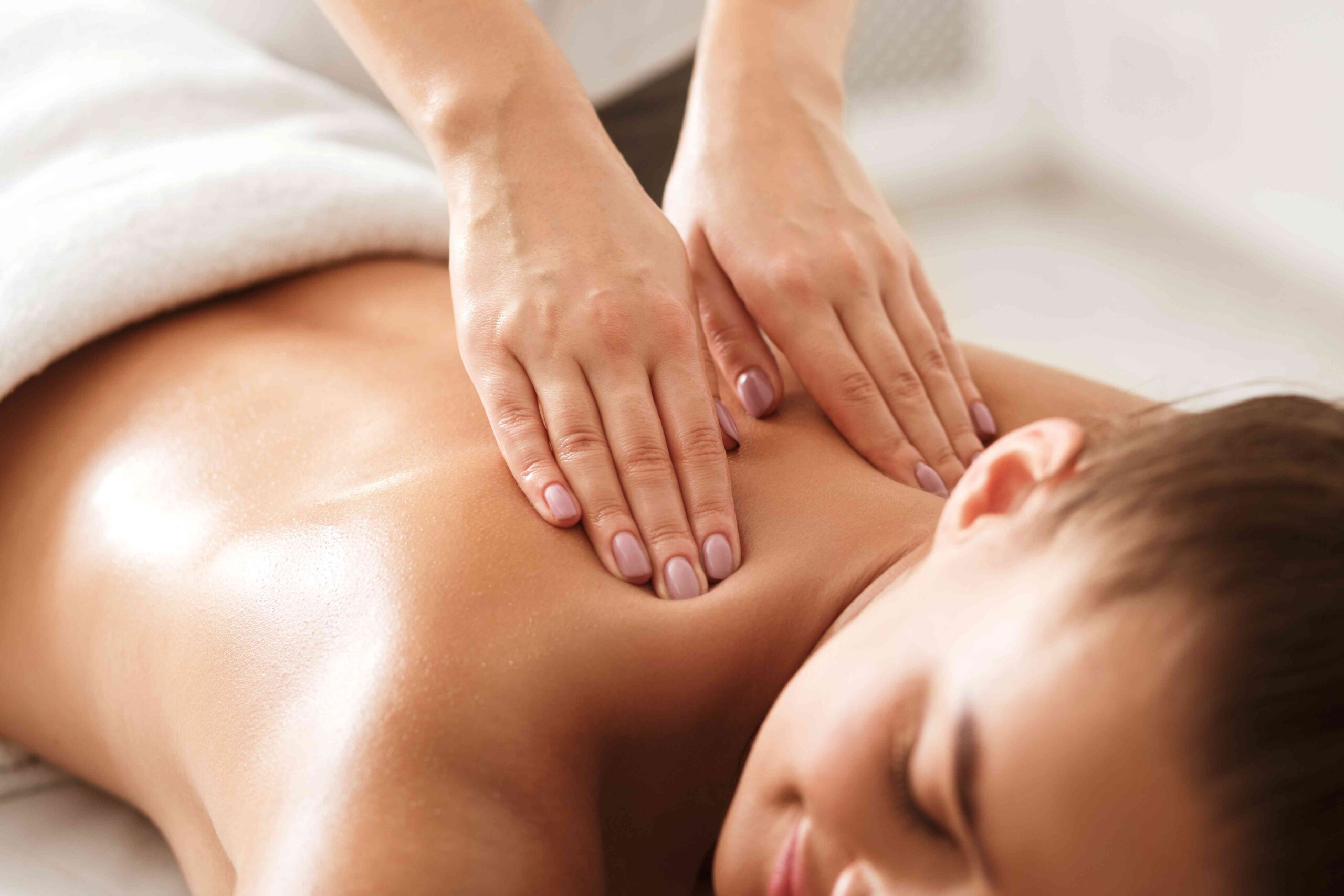
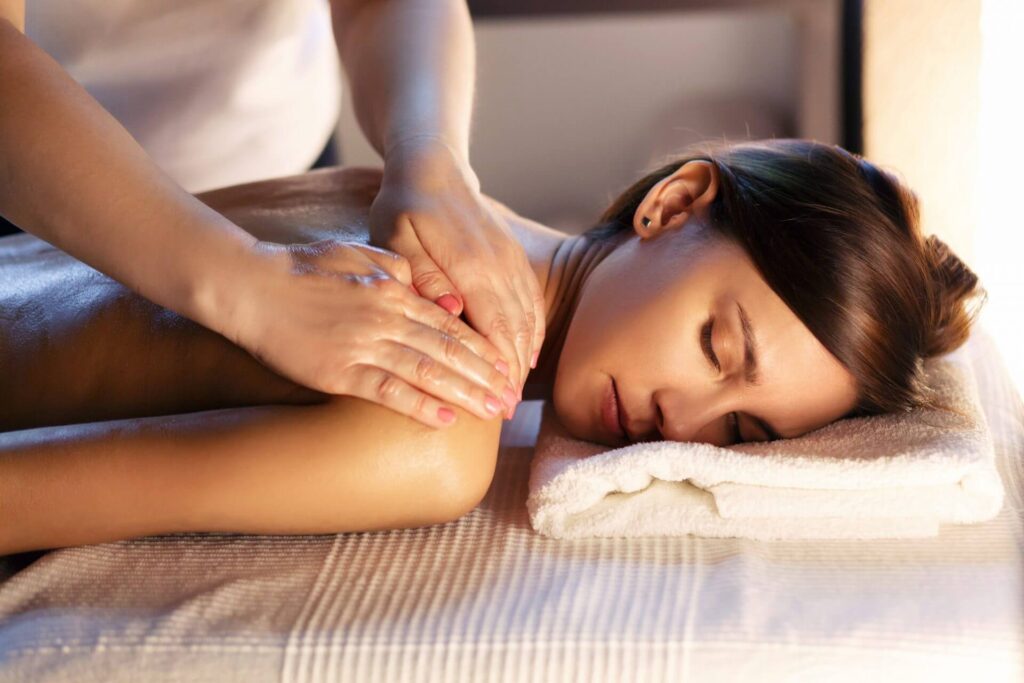
Massage therapy, hydrotherapy, and body wraps help relax muscles that tense up under stress. Physical relaxation has direct effects on the nervous system, including:
- Reduced cortisol levels: Studies show that massage therapy can lower cortisol, the stress hormone, by up to 31%.
- Increased serotonin and dopamine: These “feel-good” neurotransmitters improve mood and emotional wellbeing.
- Enhanced circulation: Promotes oxygen and nutrient delivery to muscles and organs, reducing physical fatigue.
2. Mental and Emotional Benefits
Spa treatments often combine touch, sound, scent, and visual calm. Techniques like aromatherapy, guided meditation, and mindful relaxation during treatments can:
- Lower anxiety and depressive symptoms
- Increase mindfulness and self-awareness
- Provide a safe space for emotional release
A 2010 study published in the International Journal of Neuroscience found that individuals receiving regular spa treatments reported significantly reduced levels of anxiety and depression, compared to those without spa therapy.
Examples of Spa Treatments and Their Specific Benefits
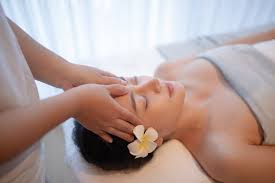
1. Massage Therapy
- Swedish Massage: Long, flowing strokes that relax superficial muscles, reduce stress, and improve circulation.
- Deep Tissue Massage: Focused on deeper muscle layers to relieve chronic tension and knots.
- Hot Stone Massage: Combines heat therapy and massage to soothe tight muscles and enhance relaxation.
Benefits:
- Immediate muscle relaxation
- Improved sleep quality
- Decreased anxiety and mental fatigue
2. Hydrotherapy
- Hot baths and Jacuzzis: Heat promotes blood flow and relaxes muscles.
- Saunas and steam rooms: Enhance detoxification and trigger relaxation through heat-induced parasympathetic activation.
- Contrast therapy (hot and cold): Improves circulation and reduces inflammation, leaving both mind and body refreshed.
3. Aromatherapy
Essential oils are used in massage oils, diffusers, or baths. Oils like lavender, chamomile, and sandalwood are scientifically proven to:
- Lower cortisol and heart rate
- Reduce symptoms of anxiety
- Promote emotional balance
4. Facials and Skin Treatments
Though often viewed as cosmetic, facials have therapeutic value:
- Gentle massage techniques during facials reduce facial tension.
- Warm compresses and hydration soothe the nervous system.
- The sensory experience of touch and scent contributes to relaxation.
5. Meditation and Mindfulness Sessions
Many modern spas incorporate guided meditation or breathwork:
- Reduces overactivation of the amygdala (stress center)
- Improves emotional regulation
- Encourages a deeper sense of calm and presence
6. Body Wraps and Scrubs
- Exfoliation: Removes dead skin and stimulates circulation.
- Detoxifying wraps: Often infused with clay, algae, or herbal extracts, improving skin tone and reducing muscular tension.
- Hydrating treatments: Promote relaxation and a sense of being nurtured.
Holistic Explanation: Mind-Body Connection
Spa therapies do more than just relax muscles—they integrate mind and body:
- Touch and pressure stimulate the vagus nerve, activating the parasympathetic nervous system.
- Warmth and buoyancy in hydrotherapy reduce joint and muscle strain, easing mental stress.
- Mindful focus on sensations during treatments enhances awareness, mindfulness, and emotional release.
- Pleasant scents and soothing environments trigger positive neural responses that reduce anxiety.
This holistic approach aligns with practices like yoga, tai chi, and meditation—blending sensory, physiological, and cognitive relaxation for total wellbeing.
Lifestyle Advice to Maximize the Benefits of Spa Treatments
While spa treatments are powerful, combining them with healthy lifestyle habits enhances their effects.
1. Incorporate Regular Self-Care
- Schedule spa sessions consistently—weekly or monthly.
- Use shorter at-home relaxation practices between visits, such as stretching, baths, or aromatherapy.
2. Mindful Breathing
Deep breathing before, during, and after spa treatments reinforces relaxation, lowers heart rate, and reduces anxiety.
3. Hydration and Nutrition
- Drink water before and after spa treatments to support detoxification.
- Eat nutrient-rich foods to reduce inflammation and support energy levels.
4. Sleep Hygiene
- Combine spa therapy with quality sleep routines. Massage and hydrotherapy improve sleep quality, and sleep enhances stress recovery.
5. Digital Detox
- Turn off phones and devices during spa sessions.
- Allow yourself to disconnect from notifications and external stressors.
6. Movement Practices
- Gentle yoga, stretching, or walking complements spa therapy.
- Helps maintain muscle flexibility and prolong relaxation effects.
Scientific Evidence Supporting Spa Therapy
- Cortisol Reduction: Massage therapy significantly lowers cortisol levels, reducing physiological stress.
- Improved Mood: Aromatherapy and massage increase serotonin and dopamine.
- Heart Rate and Blood Pressure: Regular spa treatments can lower both, promoting cardiovascular health.
- Muscle Recovery: Hydrotherapy and massage aid in faster muscle repair, reducing tension and soreness.
- Sleep Enhancement: Relaxation therapies improve sleep onset and quality.
A 2018 review in the Journal of Alternative and Complementary Medicine concluded that regular spa therapy contributes to measurable improvements in both psychological and physiological stress markers.
Common Questions About Spa Therapy for Mental Wellbeing
How often should I go to the spa for stress relief?
- Ideally, once a week or twice a month for maximum mental health benefits. Even monthly visits can significantly reduce anxiety and improve emotional resilience.
Can spa treatments help with chronic anxiety or depression?
- Spa therapy is supportive, not a replacement for medical care. It helps reduce stress, improve mood, and support emotional regulation, but professional treatment may still be necessary for clinical anxiety or depression.
Are there at-home spa practices that work?
- Yes! Aromatherapy, warm baths, self-massage, meditation, and relaxing music can replicate some spa benefits at home.
Is spa therapy safe for everyone?
- Most treatments are safe, but consult a professional if you have medical conditions such as cardiovascular issues, skin conditions, or recent injuries.
Integrating Spa Therapy Into Your Daily Routine
- Morning Mindfulness + Aromatherapy
- Start your day with 10–15 minutes of deep breathing with essential oils to reduce baseline stress levels.
- Midday Reset
- Take a short walk, use a massage chair, or stretch with gentle music.
- Evening Relaxation
- Use a bath with calming scents or a gentle facial massage before bedtime to prepare your body and mind for restful sleep.
- Weekly Spa Day
- Schedule a dedicated spa visit for massage, hydrotherapy, or mindfulness treatment to maintain emotional balance.
Conclusion: Spa Therapy as a Holistic Approach to Mental Wellbeing
Spa treatments are far more than luxury indulgences—they are powerful tools for stress reduction, emotional regulation, muscle relaxation, anxiety relief, and mental wellbeing. By combining scientifically-backed therapies like massage and hydrotherapy with holistic practices such as aromatherapy and mindfulness, spa experiences nurture the mind, body, and spirit simultaneously.
Incorporating spa therapy into a lifestyle that prioritizes sleep, movement, hydration, and self-care enhances its benefits, helping you manage modern-day stress more effectively. Whether it’s a deep tissue massage, a calming facial, a soak in a thermal bath, or a guided meditation session, regular spa visits provide a sanctuary from the pressures of everyday life.
Investing time in spa therapy is an investment in long-term emotional health and holistic wellbeing. In a world that constantly demands our attention, giving yourself permission to relax and recharge is not indulgent—it’s essential.


Leave a Reply