


Egyptian Wellness Traditions in Modern Spas: From Ancient Rituals to Today’s Luxuries
Wellness is not a modern invention. Ancient Egyptians were pioneers in self-care, beauty, and holistic health practices, creating rituals that combined physical, mental, and spiritual well-being. From luxurious oils to hydrotherapy, the ancient approaches to relaxation and rejuvenation were deeply intertwined with culture and spirituality.
Today, modern spas around the world—especially in Egypt—draw inspiration from these timeless practices. By blending ancient rituals with contemporary techniques, spas offer experiences that are not only relaxing but also culturally rich and historically grounded.
In this comprehensive guide, we explore ancient Egyptian wellness traditions, how they continue in modern spas, and the tangible benefits they bring to today’s wellness enthusiasts.
The Origins of Egyptian Wellness Practices
Spiritual and Cultural Foundations
Wellness in ancient Egypt was never purely aesthetic. Physical care, beauty, and relaxation were connected to:
- Spiritual balance – Egyptians believed in harmonizing the body and soul.
- Religious rituals – Cleansing and perfuming the body often had ceremonial importance.
- Medical knowledge – Herbs, oils, and massages were used for preventive and therapeutic purposes.
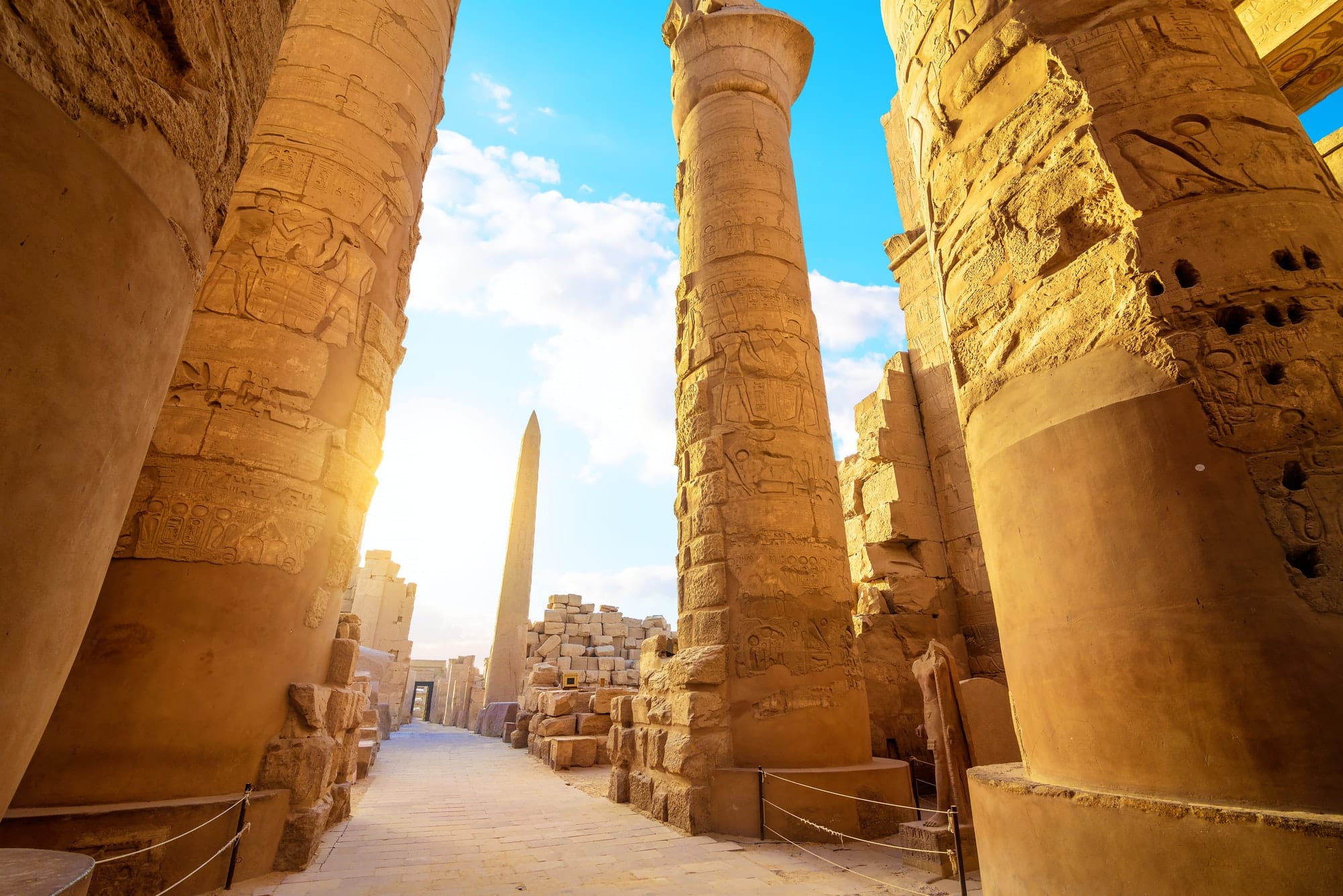
From Pharaohs to everyday citizens, maintaining health and appearance was both a personal and cultural priority. Tomb paintings and hieroglyphics depict daily grooming, bathing, and therapeutic rituals, highlighting their societal significance.
Signature Ancient Egyptian Practices
- Natural Oils and Aromatherapy
- Olive oil, castor oil, myrrh, and frankincense were central to skincare and relaxation.
- Oils were applied to moisturize, massage, and even preserve the body after death.
- Aromatic oils also had spiritual and therapeutic functions, calming the mind and rejuvenating the body.
- Massages and Body Treatments
- Egyptians practiced techniques resembling modern massages to relieve tension and improve circulation.
- Massage was often combined with oils and sometimes with aromatic herbs.
- Body scrubs using natural abrasives, like salts and sands, were common for exfoliation and circulation stimulation.
- Beauty Rituals
- Cleopatra’s legendary baths in milk, honey, and essential oils were not just luxurious—they were therapeutic.
- Eye makeup using kohl had practical purposes: protecting eyes from sun glare and infections.
- Hair care, facial masks, and skin treatments were integral to daily routines.
- Hydrotherapy and Baths
- Bathing was a core ritual, symbolizing purification and renewal.
- Ancient Egyptians used pools, baths, and flowing water in temples and homes for relaxation and health.
- Water combined with oils, herbs, or minerals provided both cleansing and therapeutic effects.
Modern Spas: Continuing Ancient Egyptian Wisdom
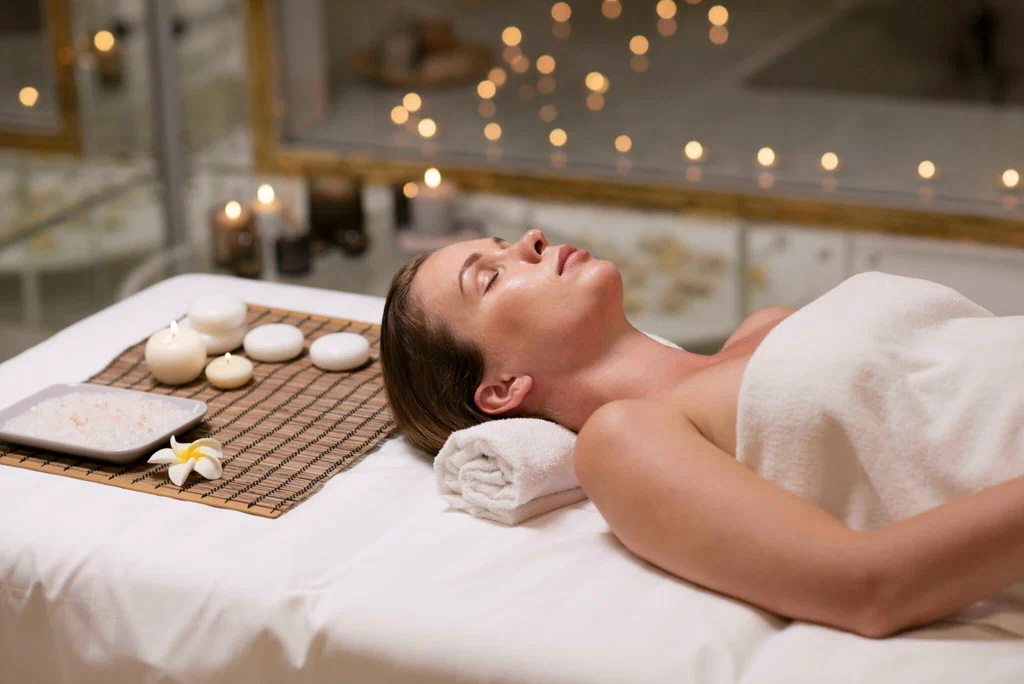
Today’s spas in Egypt, as well as globally, incorporate these traditional elements into modern wellness experiences. Modern treatments often combine historical authenticity with scientific understanding of health benefits.
Natural Oils and Aromatherapy Today
- Modern Application: Spas use oils such as argan, jojoba, and essential oil blends inspired by ancient recipes.
- Benefits:
- Deep moisturization
- Stress reduction through aromatherapy
- Relief of minor aches through topical application
- Example Ritual: A full-body massage with a blend of myrrh, frankincense, and almond oil mirrors ancient Egyptian methods while offering a contemporary sensory experience.
Massages and Body Treatments
Modern spa therapies often echo ancient techniques:
- Deep Tissue and Aromatic Massage: Combines pressure points with fragrant oils, resembling Egyptian rituals for circulation and relaxation.
- Exfoliating Scrubs: Using natural salts, sugar, or herbal pastes, reminiscent of sand and salt scrubs used thousands of years ago.
- Hot Stone or Warm Oil Treatments: Inspired by the use of warmth and oils in Egyptian temples to relax muscles and balance energy.
These treatments are designed not only for physical relief but also for psychological rejuvenation, honoring the Egyptian belief in body-mind harmony.
Cleopatra-Inspired Beauty Rituals
Many spas offer signature treatments inspired by Cleopatra, incorporating elements such as:
- Milk baths – Lactic acid gently exfoliates skin.
- Honey treatments – Antibacterial properties support skin health.
- Herbal masks – Blend of natural ingredients to soothe, hydrate, and nourish the skin.
These rituals give modern visitors a glimpse into ancient luxury while providing scientifically supported skincare benefits.
Hydrotherapy in Modern Wellness
Hydrotherapy remains a cornerstone of Egyptian-inspired spa experiences:
- Hot Springs and Mineral Baths: Emulate ancient baths used for purification and healing.
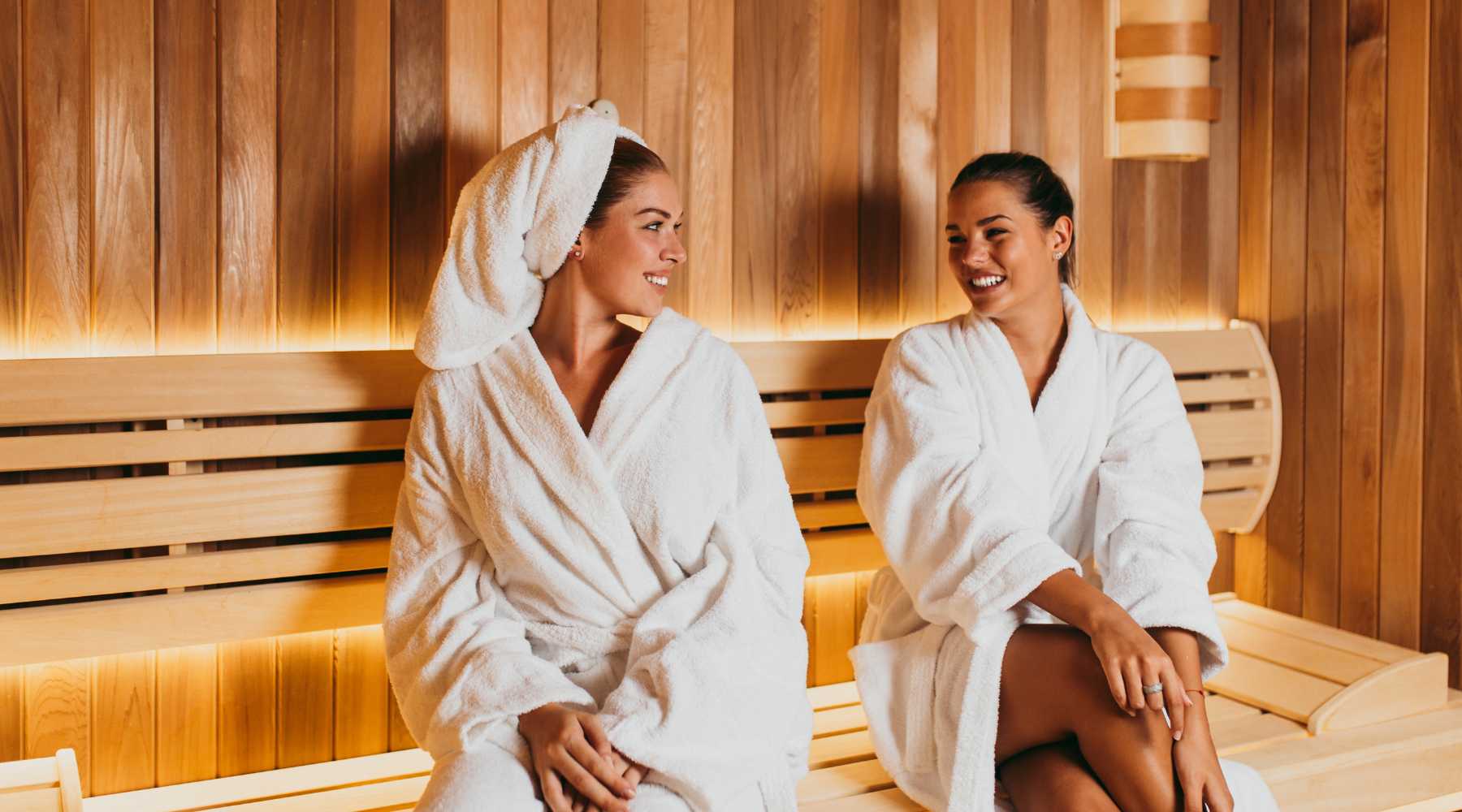
- Aromatic Steam Rooms: Incorporate essential oils like frankincense and myrrh.
- Floating and Relaxation Pools: Designed for muscle relaxation and mental clarity.
Water remains a symbol of renewal, just as it was in ancient Egyptian culture, and modern techniques enhance its restorative powers.
Cultural Significance of Wellness in Egypt
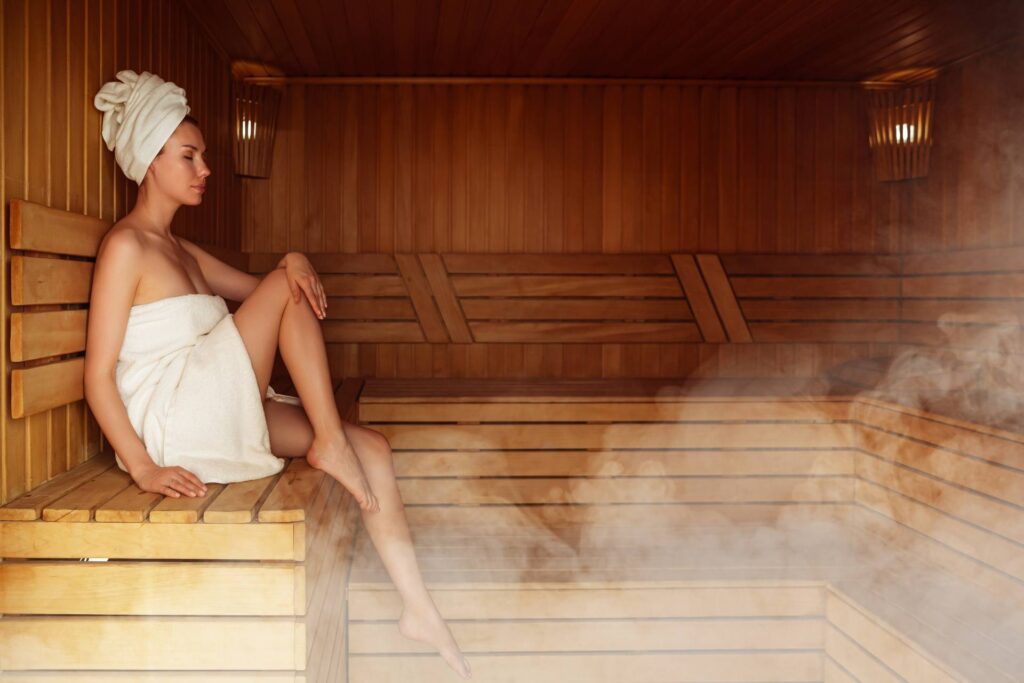
Understanding the cultural context adds depth to spa experiences:
- Ritual and Mindfulness: Egyptian wellness was as much about mental and spiritual alignment as physical care. Modern spas often encourage mindfulness practices, such as guided meditation or quiet reflection during treatments.
- Connection to Nature: Many treatments use natural products sourced locally, echoing the ancient reliance on herbs, oils, and minerals.
- Heritage and Luxury: Participating in these rituals allows visitors to feel connected to centuries of Egyptian tradition, combining education, luxury, and personal well-being.
Health Benefits of Egyptian-Inspired Spa Treatments
Modern research confirms that ancient practices offer real benefits:
- Skin Health
- Exfoliation removes dead skin cells, stimulating regeneration.
- Natural oils nourish and hydrate, preventing dryness and irritation.
- Muscle Relaxation
- Massage reduces tension, improves circulation, and alleviates mild aches.
- Stress Reduction
- Aromatherapy and hydrotherapy stimulate relaxation, lower cortisol levels, and promote mental calm.
- Detoxification
- Steam, baths, and massage promote lymphatic circulation, supporting the body’s natural detox systems.
- Holistic Well-Being
- Combined, these treatments enhance mood, improve sleep, and create an overall sense of rejuvenation.
What to Expect During a Modern Egyptian Spa Experience
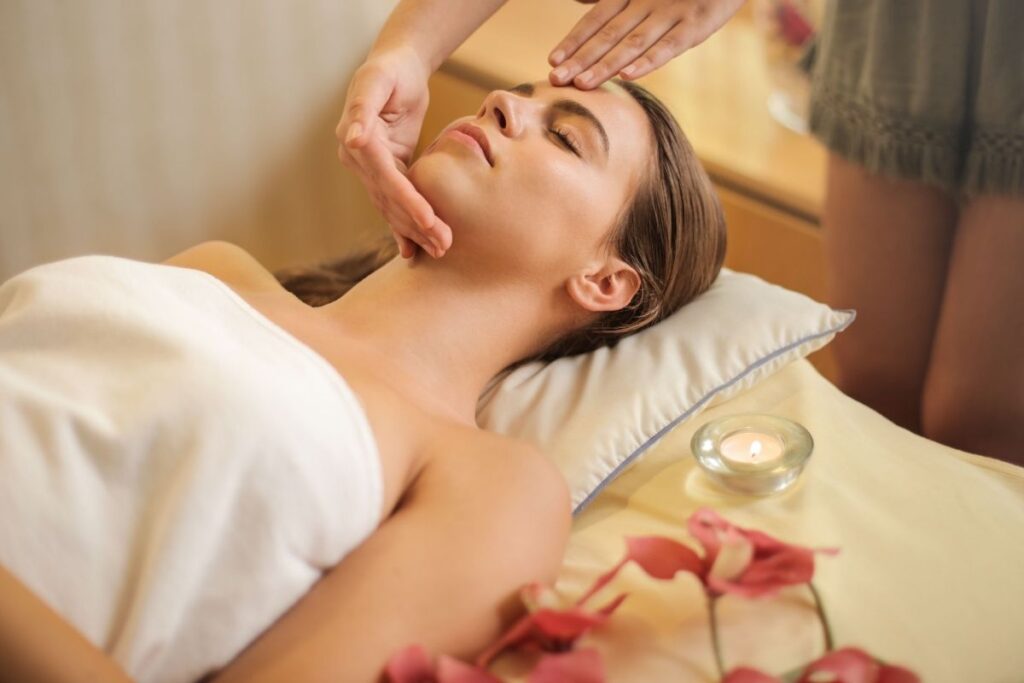
Typical Itinerary
- Consultation – Brief discussion of preferences, sensitivities, and goals.
- Preparation – Changing into spa attire, brief relaxation period.
- Treatment – Could include massage, scrub, bath, or combined ritual.
- Hydration and Recovery – Herbal tea, water, or fruit offered post-treatment.
- Optional Add-Ons – Aromatherapy, scalp massage, or guided relaxation.
Atmosphere
- Soft music, warm lighting, and subtle scents create a calm, meditative environment.
- Staff often explain the historical inspiration behind treatments, adding cultural depth.
Practical Tips for Visitors
- Book in Advance – Popular spas can fill quickly, especially in tourist hotspots like Hurghada and Luxor.
- Check Ingredients – If you have allergies, confirm that oils and herbs are safe.
- Arrive Early – Allows time to relax and acclimate before the treatment.
- Hydrate – Water supports circulation and complements hydrotherapy.
- Dress Comfortably – Loose robes or towels provided; wear something easy to change in and out of.
- Engage with the Story – Ask staff about the historical context of treatments for a richer experience.
Signature Treatments to Try
- Full-Body Aromatic Massage – Combines oils such as myrrh and frankincense, inspired by ancient Egyptian rituals.
- Milk and Honey Bath – Gentle exfoliation, moisturizing, and aromatic indulgence.
- Herbal Facial Mask – Incorporates aloe, chamomile, and other botanicals for skin rejuvenation.
- Hydrotherapy Ritual – Alternating warm and cool pools, sometimes infused with essential oils.
- Scalp and Foot Treatments – Focused care inspired by ancient practices of circulation and energy balance.
Why Egyptian Wellness Practices Remain Relevant Today
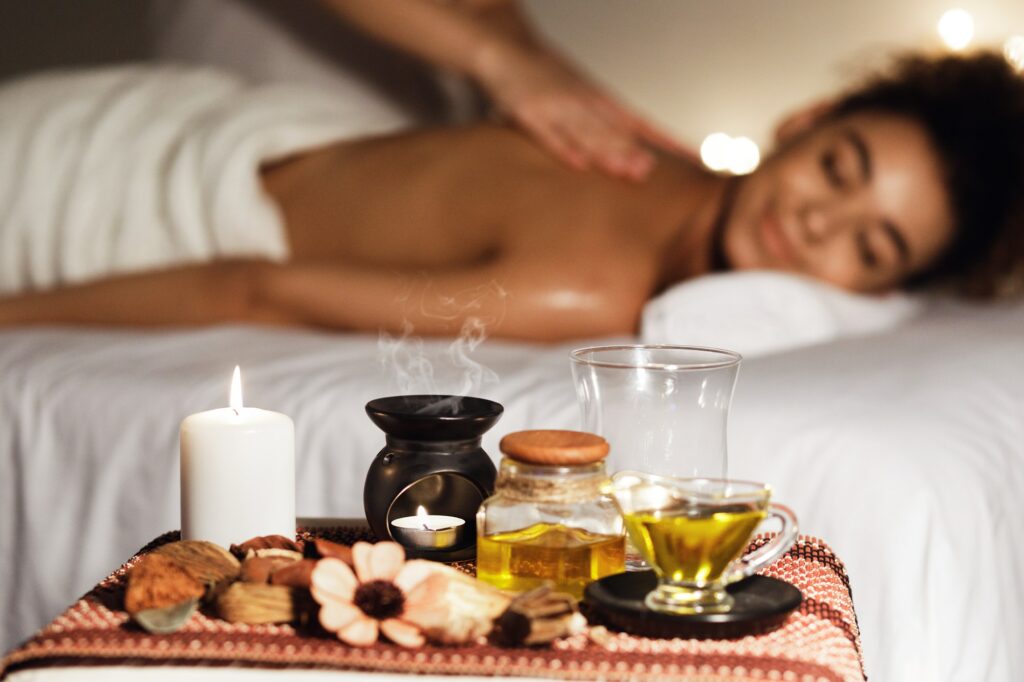
- Timeless Appeal – Ancient rituals were effective and luxurious, appealing to modern wellness seekers.
- Natural Ingredients – Avoid synthetic chemicals; better for skin and overall health.
- Holistic Approach – Combines physical, mental, and spiritual well-being.
- Cultural Experience – Offers insight into ancient Egyptian lifestyle, beauty, and healing practices.
Modern spas have successfully adapted these techniques, blending history, culture, and science into an enriching experience.
Conclusion
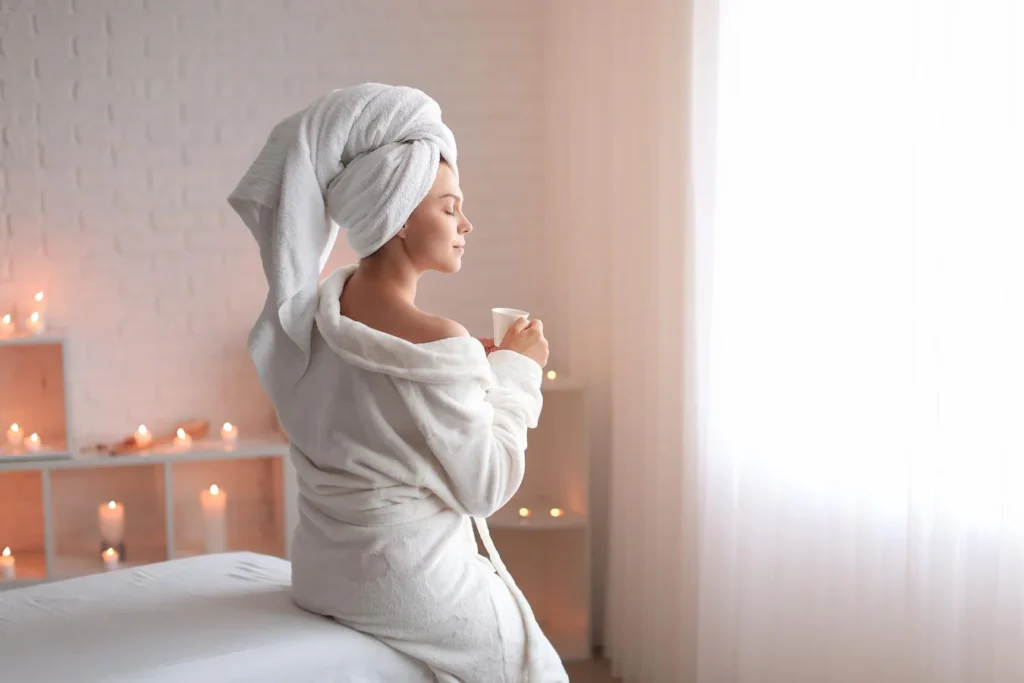
Ancient Egyptian wellness traditions were far ahead of their time. From massages with natural oils to hydrotherapy and beauty rituals, the practices reflected a profound understanding of body, mind, and spirit. Modern spas, particularly in Egypt, have preserved these rituals while enhancing them with contemporary knowledge and techniques.
For travelers, participating in Egyptian-inspired spa treatments is more than a luxury—it’s an opportunity to connect with history, culture, and wellness in a deeply personal way. Whether you are indulging in a milk bath like Cleopatra, enjoying an aromatic oil massage, or experiencing hydrotherapy, these ancient traditions continue to offer rejuvenation, relaxation, and a unique glimpse into one of the world’s most fascinating civilizations.
Experience the legacy of Egyptian wellness today—your body, mind, and spirit will thank you.

Leave a Reply