


Aromatherapy in Modern Wellness: How Essential Oils Transform Relaxation, Health, and Emotional Balance
Aromatherapy has become one of the most popular wellness treatments around the world. Spas, holistic centers, massage therapists, and wellness retreats all use essential oils to support relaxation, emotional balance, pain relief, and better sleep. But aromatherapy is more than a pleasant scent — it is a therapeutic practice rooted in centuries of natural healing. Today, it’s backed by extensive research, modern spa techniques, and an increasing global focus on stress reduction.
This comprehensive guide explains what aromatherapy is, how essential oils work, which oils offer the strongest benefits, how professionals use them in treatments, and why aromatherapy is one of the most powerful additions to any wellness routine. Whether you’re a traveler, wellness enthusiast, spa owner, or someone seeking natural ways to reduce stress, this article covers everything you need to know.
What Is Aromatherapy?
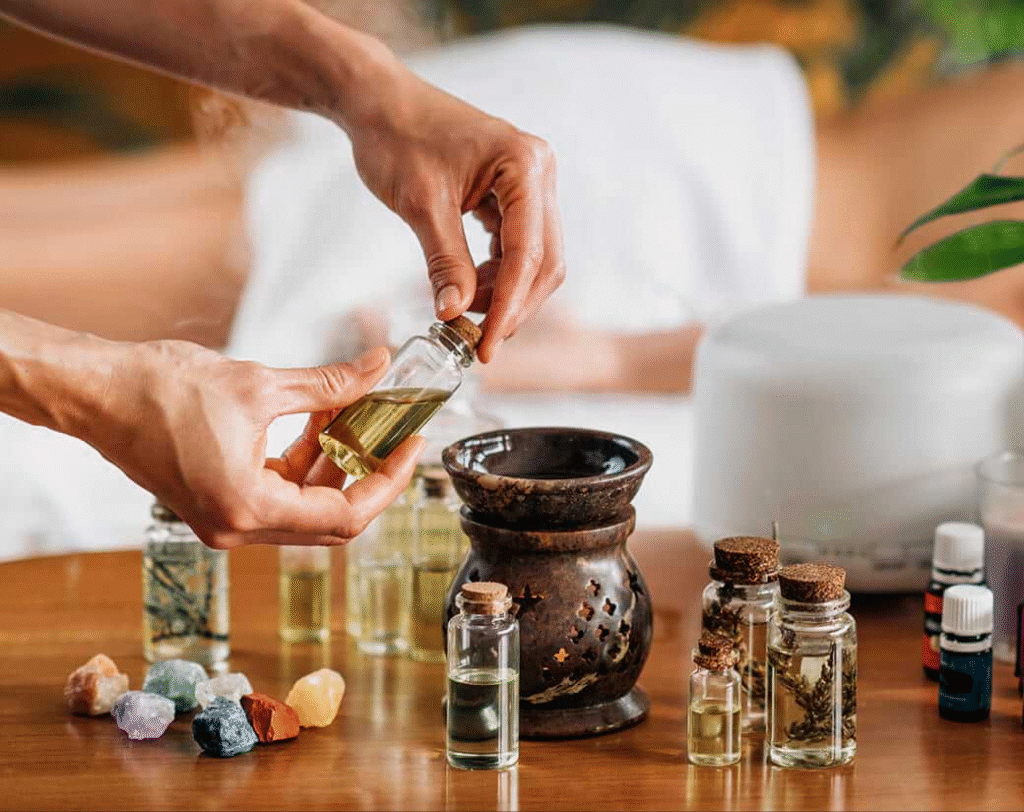
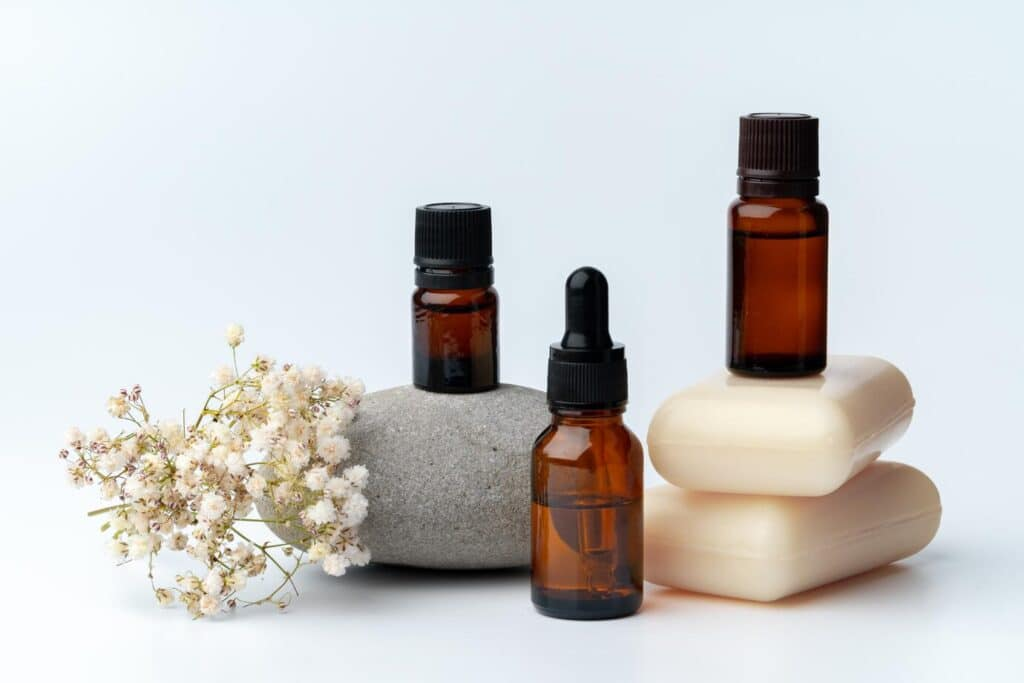
Aromatherapy is a natural healing practice that uses concentrated plant extracts known as essential oils. These oils come from flowers, leaves, roots, fruits, and resins, and each contains unique therapeutic properties. When inhaled or applied to the skin during a spa treatment, essential oils influence the limbic system — the part of the brain responsible for emotions, memory, hormones, and behavior.
Depending on the oil, aromatherapy can:
- reduce stress and anxiety
- improve sleep quality
- boost the immune system
- increase energy
- support respiratory health
- soothe physical pain or tension
- enhance mood and emotional stability
This is why aromatherapy is a core element of wellness treatments worldwide.
How Aromatherapy Works
Essential oils affect the mind and body through two main pathways: inhalation and skin absorption.
1. Inhalation
When the aroma molecules enter the nose, they stimulate receptors that send messages directly to the brain. This can trigger physical and emotional responses such as relaxation, alertness, happiness, memory recall, or emotional grounding.
For example:
- Lavender reduces cortisol (stress hormone)
- Peppermint increases mental clarity
- Orange oil stimulates feelings of happiness
This instant neurological response is the reason aromatherapy is so effective.
2. Skin Absorption
During massages or spa treatments, diluted essential oils are applied to the skin. They penetrate through the epidermis, entering tissues and the bloodstream. Oils like eucalyptus or tea tree provide antibacterial and anti-inflammatory effects, while others like rose and geranium nourish the skin and improve hydration.
The combination of inhalation and absorption makes aromatherapy a powerful holistic treatment.
The Most Popular Essential Oils and Their Benefits
Spas and wellness centers use dozens of essential oils, each offering different therapeutic effects. Below are the most widely used oils and what they help with.
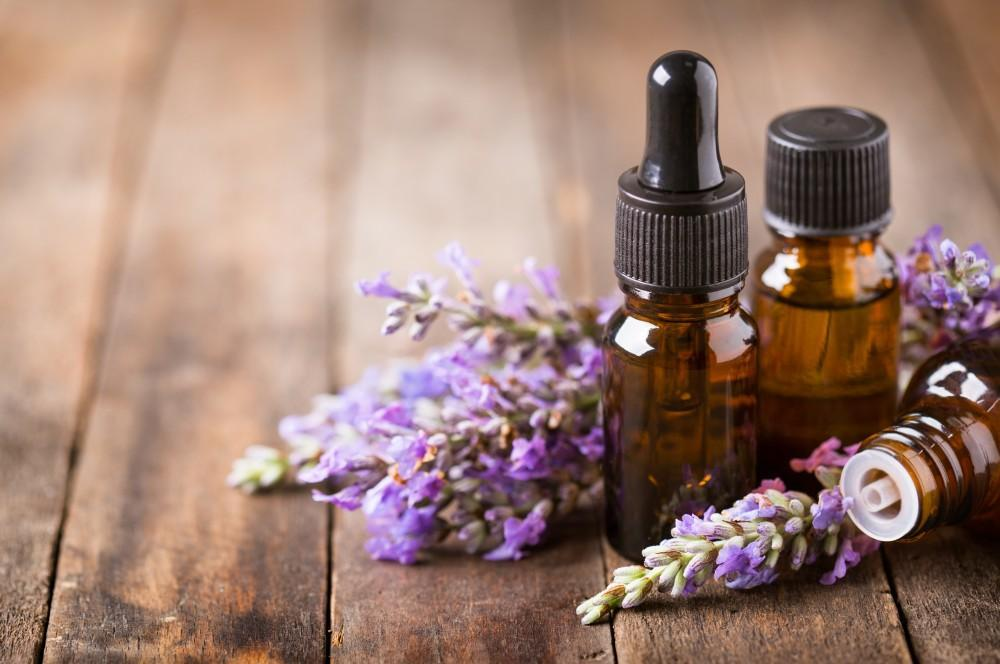
Lavender: The Ultimate Relaxation Oil
Lavender is the most famous essential oil in aromatherapy.
Benefits include:
- deep relaxation
- better sleep
- reduced anxiety
- headache relief
- skin calming
It is ideal for massages, facials, and before-bed routines.
Eucalyptus: Respiratory and Immune Support
Eucalyptus oil is used for:
- clearing blocked sinuses
- improving breathing
- reducing inflammation
- supporting immunity
Many spas use eucalyptus steam rooms to boost respiratory health.
Peppermint: Energy and Mental Clarity
Peppermint is cooling, refreshing, and energizing.
It helps with:
- fatigue
- headaches
- concentration
- muscle tension
Perfect before work, workouts, or study.
Tea Tree: Antibacterial and Purifying
Often used in skincare treatments, tea tree oil:
- kills bacteria
- cleanses acne
- reduces inflammation
- supports healing
It is a must-have in facials and body treatments.
Chamomile: Emotional Soothing
Chamomile calms the mind and is excellent for:
- stress
- anger
- irritability
- insomnia
Gentle and ideal for sensitive individuals.
Rose: Skin Rejuvenation and Emotional Comfort
Rose oil is luxurious and nourishing.
Benefits include:
- anti-aging
- hydration
- hormonal balance
- emotional soothing
Often used in premium spa packages.
Jasmine: Mood Enhancement
Jasmine is uplifting and sensual.
It helps with:
- confidence
- mood elevation
- emotional fatigue
- stress relief
A popular choice for couples treatments.
Lemon: Detox and Fresh Energy
Lemon oil:
- improves focus
- boosts immunity
- supports detox
- lifts mood
Excellent for morning sessions and energizing massages.
Common Essential Oil Combinations Used in Spas
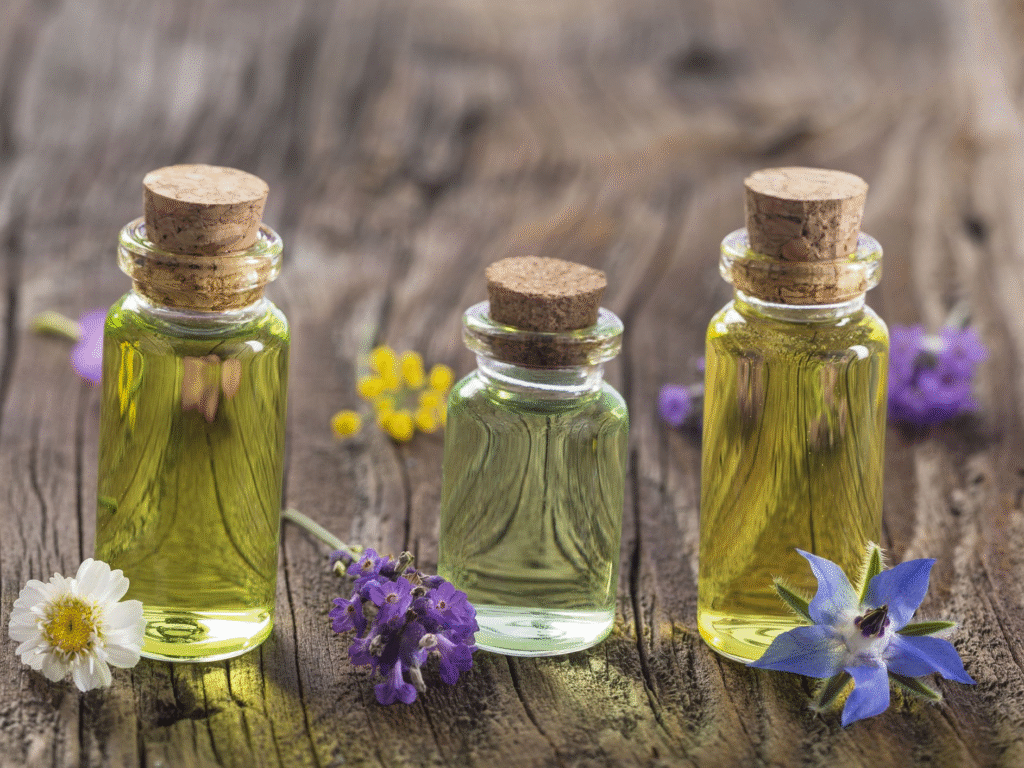
Spas rarely use single oils — they create blends for stronger effects.
Calming Blend
- Lavender
- Chamomile
- Bergamot
Perfect for stress, anxiety, and sleep improvement.
Detoxifying Blend
- Lemon
- Rosemary
- Eucalyptus
Ideal for body scrubs, saunas, and detox rituals.
Anti-Stress Spa Blend
- Frankincense
- Geranium
- Rose
Used in luxury relaxation treatments.
Energizing Massage Blend
- Peppermint
- Orange
- Grapefruit
Gives a refreshing boost and improves circulation.
Romantic Blend
- Jasmine
- Ylang-Ylang
- Rose
Frequently used for couple’s spa sessions.
How Spas Use Aromatherapy
Aromatherapy is integrated into almost every modern wellness service. Here’s how professional centers use it to enhance treatments.
1. Aromatherapy Massages
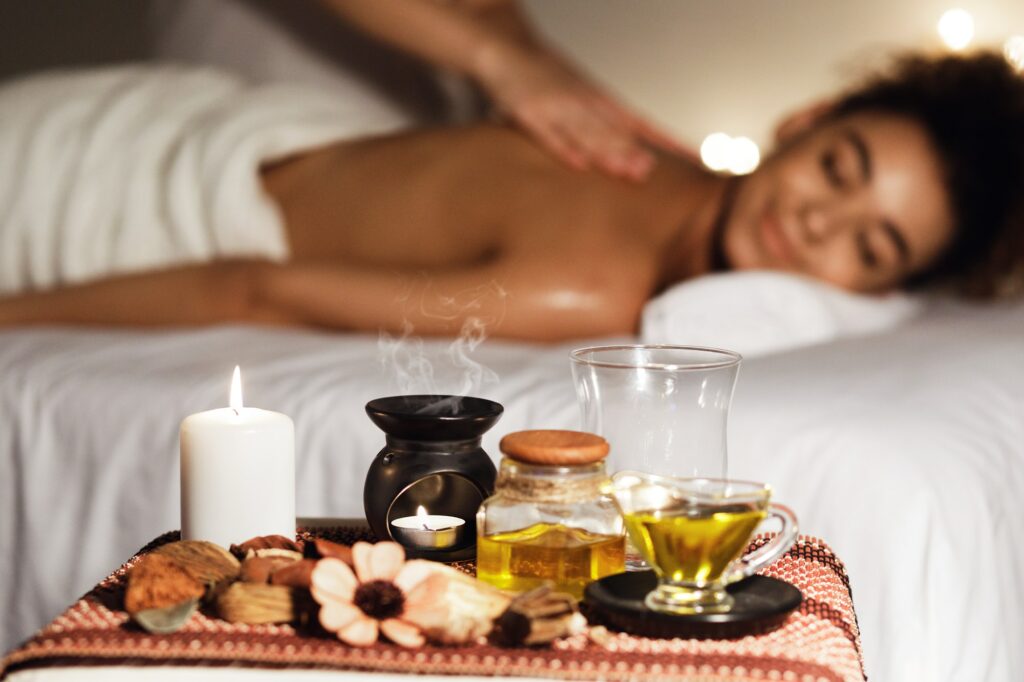
Essential oils are mixed with carrier oils like almond or jojoba and massaged into the skin. This combines relaxation, emotional balance, and physical tension release in one treatment.
2. Aromatherapy Facials
Spas add essential oils to:
- steam
- cleansers
- toners
- masks
- massage creams
Rose, tea tree, lavender, and frankincense are popular in facials.
3. Aromatherapy Saunas and Steam Rooms
Steam infused with eucalyptus or mint clears the lungs and detoxifies the body.
4. Diffusers in Relaxation Rooms
Scent diffusers create a calming environment before treatments, reducing client stress and enhancing the overall spa experience.
5. Aromatherapy Baths
Hot tubs or whirlpool baths often include lavender, rose, or chamomile oils to relax muscles and improve sleep.
6. Body Wraps and Scrubs
Oils like lemon, rosemary, or lemongrass are added to detoxifying wraps and exfoliating scrubs.
Aromatherapy for Stress Relief and Mental Balance
Modern life brings heavy workloads, digital overload, and constant pressure. Aromatherapy offers natural support for mental well-being.
Why Aromatherapy Reduces Stress
Essential oils control the limbic system — the emotional center of the brain. Scents like lavender, bergamot, or frankincense lower cortisol, the hormone responsible for stress. This helps the body shift into a state of relaxation.
Top Oils for Stress Relief
- Lavender
- Rose
- Frankincense
- Bergamot
- Ylang-Ylang
Regular use helps restore emotional equilibrium.
Aromatherapy for Anxiety and Overthinking
Chamomile, jasmine, and sandalwood reduce emotional tension, making them helpful for people who struggle with anxiety, racing thoughts, or sleeplessness.
Aromatherapy for Better Sleep
Insomnia and poor sleep are increasingly common. Aromatherapy is one of the safest and most effective natural solutions.
How Essential Oils Improve Sleep
- slow the heart rate
- relax the nervous system
- reduce muscle tension
- calm the mind
Best Sleep Oils
- Lavender
- Chamomile
- Vetiver
- Cedarwood
These oils are often used in evening spa rituals.
Aromatherapy and the Immune System
Some essential oils contain antibacterial, antiviral, and anti-inflammatory compounds.
Immune-Boosting Oils
- Eucalyptus
- Tea tree
- Lemon
- Oregano
- Rosemary
Using these oils in diffusers or steam rooms can support respiratory health and immunity.
Aromatherapy for Pain Relief
Essential oils can help relieve headaches, muscle pain, joint stiffness, and inflammation.
Pain-Relieving Oils
- Peppermint (headaches and tension)
- Eucalyptus (muscles and inflammation)
- Ginger (joint pain)
- Clary sage (menstrual pain)
Spas often use these oils in deep-tissue massages.
Aromatherapy in Skincare and Anti-Aging
Many oils have powerful skin benefits due to their antioxidant and anti-inflammatory properties.
Top Essential Oils for Skin Health
- Rose: hydration and anti-aging
- Frankincense: reduces wrinkles
- Tea tree: acne control
- Geranium: balances oils and tightens skin
- Lavender: soothes irritation
Aromatherapy facials are therefore both relaxing and effective.
Who Benefits the Most from Aromatherapy?
Aromatherapy is versatile and suitable for almost everyone.
Ideal for:
- stressed individuals
- office workers
- students
- people with insomnia
- couples wanting a romantic spa experience
- athletes with muscle tension
- older adults seeking gentle natural therapy
- families looking for non-chemical wellness solutions
It fits all ages and lifestyles.
How Often Should You Use Aromatherapy?
Frequency depends on personal needs.
Recommended Usage
- Massage therapy: once or twice a month
- Daily home diffuser use: 15–60 minutes
- Sleep oils: nightly
- Skincare oils: 2–4 times per week
- Steam inhalation during colds: as needed
Regular use delivers long-term mental and physical benefits.
Tips for Using Aromatherapy Safely at Home
Essential oils are powerful and should be used correctly.
Safety Guidelines
- Always dilute oils before applying to the skin
- Avoid ingesting oils unless guided by a licensed professional
- Do a patch test for sensitive skin
- Keep oils away from children’s direct reach
- Avoid sunlight after using citrus oils on the skin
- Pregnant individuals should use oils cautiously
When used responsibly, aromatherapy is extremely safe.
Why Aromatherapy Should Be Part of Your Wellness Routine
Aromatherapy is more than a spa luxury — it is a practical tool for everyday stress, physical tension, and emotional wellness.
Key Benefits
- natural relaxation
- better mood
- deeper sleep
- improved focus
- stronger immunity
- enhanced skincare
- pain reduction
- emotional balance
In a world full of pressure, aromatherapy provides a peaceful escape, helping the mind and body reconnect, recharge, and heal.
Final Thoughts
Aromatherapy is one of the most effective natural therapies for modern wellness. From reducing stress and improving sleep to supporting skin health and emotional balance, essential oils offer holistic benefits that integrate perfectly with spa treatments and everyday routines. With a wide range of oils and endless combinations, aromatherapy can be personalized to every individual’s needs.
Whether you experience it through a professional spa session or use essential oils at home, aromatherapy offers a powerful, calming, and scientifically supported path to greater well-being — one breath at a time.

Leave a Reply