


Ancient Egyptian Wellness Rituals: How Modern Spas Keep the Legacy Alive
From the moment you imagine the sun-drenched banks of the Nile, the grandeur of the pyramids, or the timeless beauty of Cleopatra, it’s clear that ancient Egypt was a civilization obsessed with wellness, beauty, and holistic health. Egyptians were among the first to understand the intimate connection between body, mind, and spirit. Their rituals—ranging from oils and massages to hydrotherapy and beauty treatments—were designed to maintain balance, vitality, and appearance.
Today, modern spas around the world have revived these practices, offering clients a unique experience that blends historical authenticity with contemporary wellness techniques. This guide explores the rich culture of ancient Egyptian wellness, how it shaped beauty and health practices, and the modern benefits of these age-old traditions.
The Cultural Significance of Wellness in Ancient Egypt
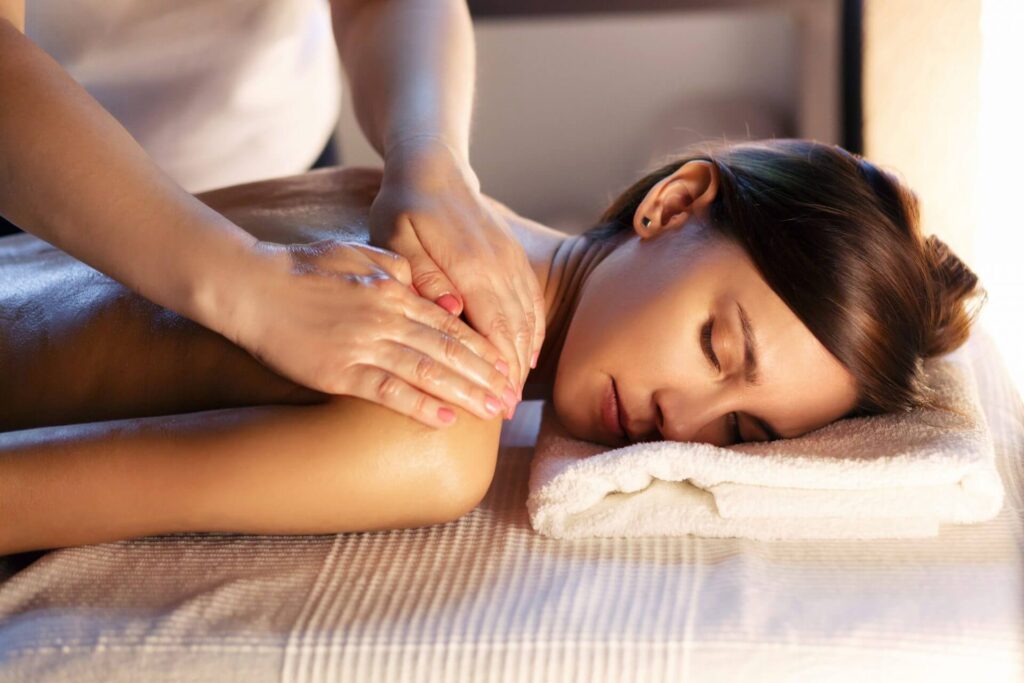
In ancient Egypt, wellness was more than aesthetics—it was a spiritual and practical necessity. The Egyptians believed that physical health, beauty, and spiritual balance were inseparable.
Holistic Approach
- Body and Soul: Egyptians viewed the body as a temple and believed that illness could reflect spiritual imbalance. Priests often acted as physicians and wellness advisors.
- Daily Rituals: Personal hygiene, massage, and beauty routines were practiced daily, not just for the elite.
- Cosmetics and Oils: Beyond aesthetic purposes, natural oils and ointments were thought to protect, heal, and spiritually cleanse the body.
This holistic approach resonates with modern wellness trends, which emphasize integrated health, mindfulness, and natural products.
Ancient Egyptian Natural Oils
Natural oils were at the core of ancient Egyptian wellness practices. They were used in massage, skincare, and even religious rituals.
Common Oils and Their Uses
- Olive Oil – Used for skin nourishment and massage. Olive oil was rich in antioxidants and helped protect the skin from the harsh sun.
- Castor Oil – Applied to hair and scalp for strength and shine. It was also used in medicinal ointments.
- Lotus and Jasmine Oils – Used in aromatherapy and as fragrances in daily routines.
- Sesame Oil – Often blended with herbs to create healing balms for the skin and joints.
Modern Adaptations
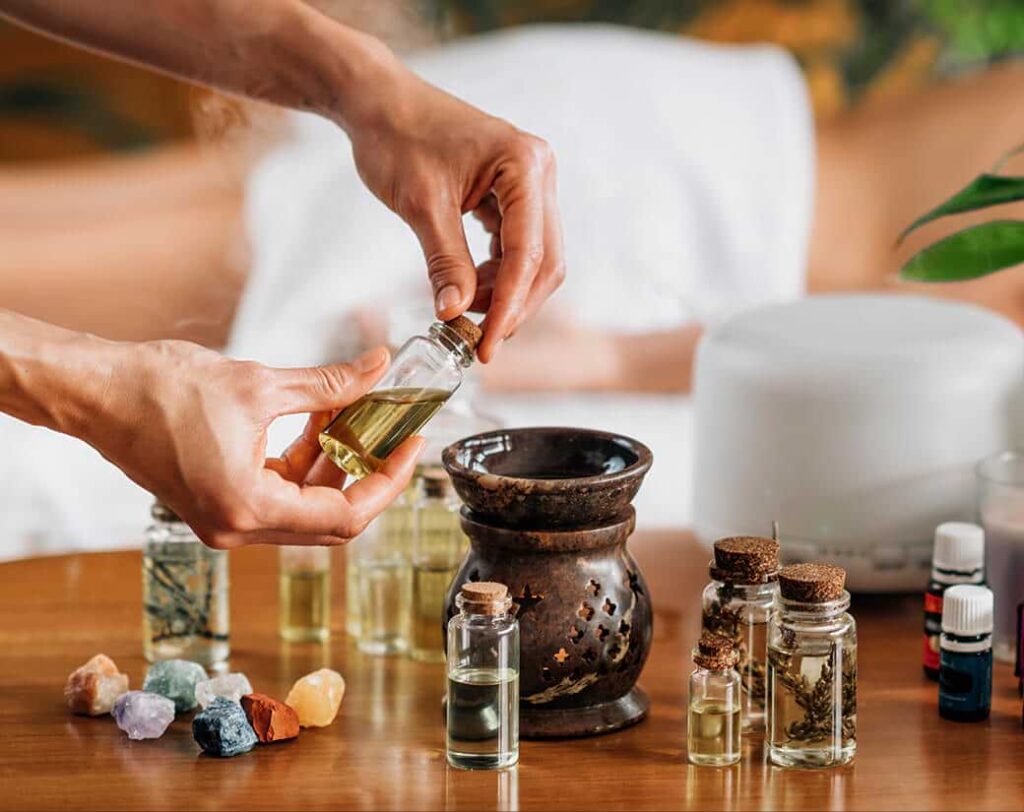
Contemporary spas use these oils in therapeutic massages, facials, and aromatherapy sessions. By blending historical knowledge with scientific formulations, oils provide:
- Deep moisturization
- Relaxation of muscles and joints
- Anti-inflammatory effects
- Aromatic stimulation for mental calm
Massage Rituals: From Temples to Spas
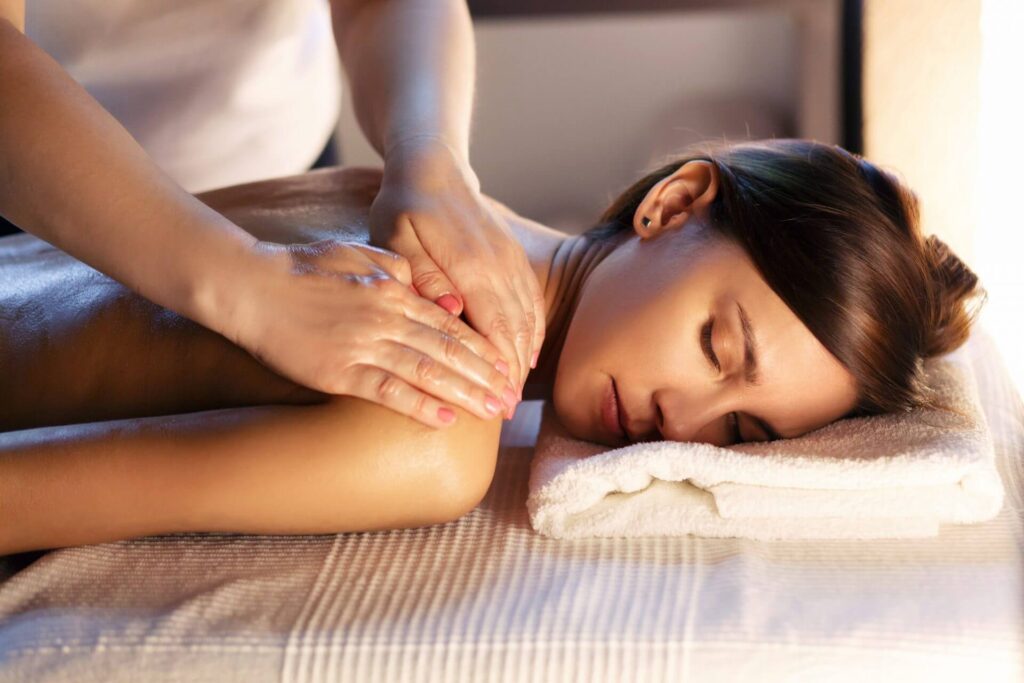
Massage was both a physical therapy and a spiritual ritual in ancient Egypt. Priests, healers, and attendants would use massage techniques to promote circulation, relieve tension, and enhance energy flow.
Techniques and Tools
- Palm and Finger Pressure: Gentle but firm strokes were applied to improve blood flow and release tension.
- Herbal Oils: Massages were always combined with oils infused with herbs like frankincense, myrrh, and cinnamon.
- Reflexive Points: Egyptians understood the connection between body points and overall health, similar to modern reflexology.
Modern Spa Practices
Today, Egyptian-inspired massages can be found in luxury spas, often labeled as:
- Pharaoh’s Massage: Combines long, flowing strokes with aromatic oils to relax muscles and rejuvenate the skin.
- Nile Flow Therapy: Uses warm oils and rhythmic movements to replicate ancient techniques, enhancing circulation and mental calm.
Benefits include reduced stress, improved flexibility, better sleep, and radiant skin, connecting modern wellness with historical practices.
Beauty and Cosmetic Rituals
Ancient Egyptians were pioneers in cosmetics. Beyond vanity, these rituals were deeply tied to health and protection.
Makeup and Skin Care
- Kohl: Used around the eyes to reduce sun glare and prevent eye infections.
- Henna: Applied to hands and feet for beauty and symbolic purposes.
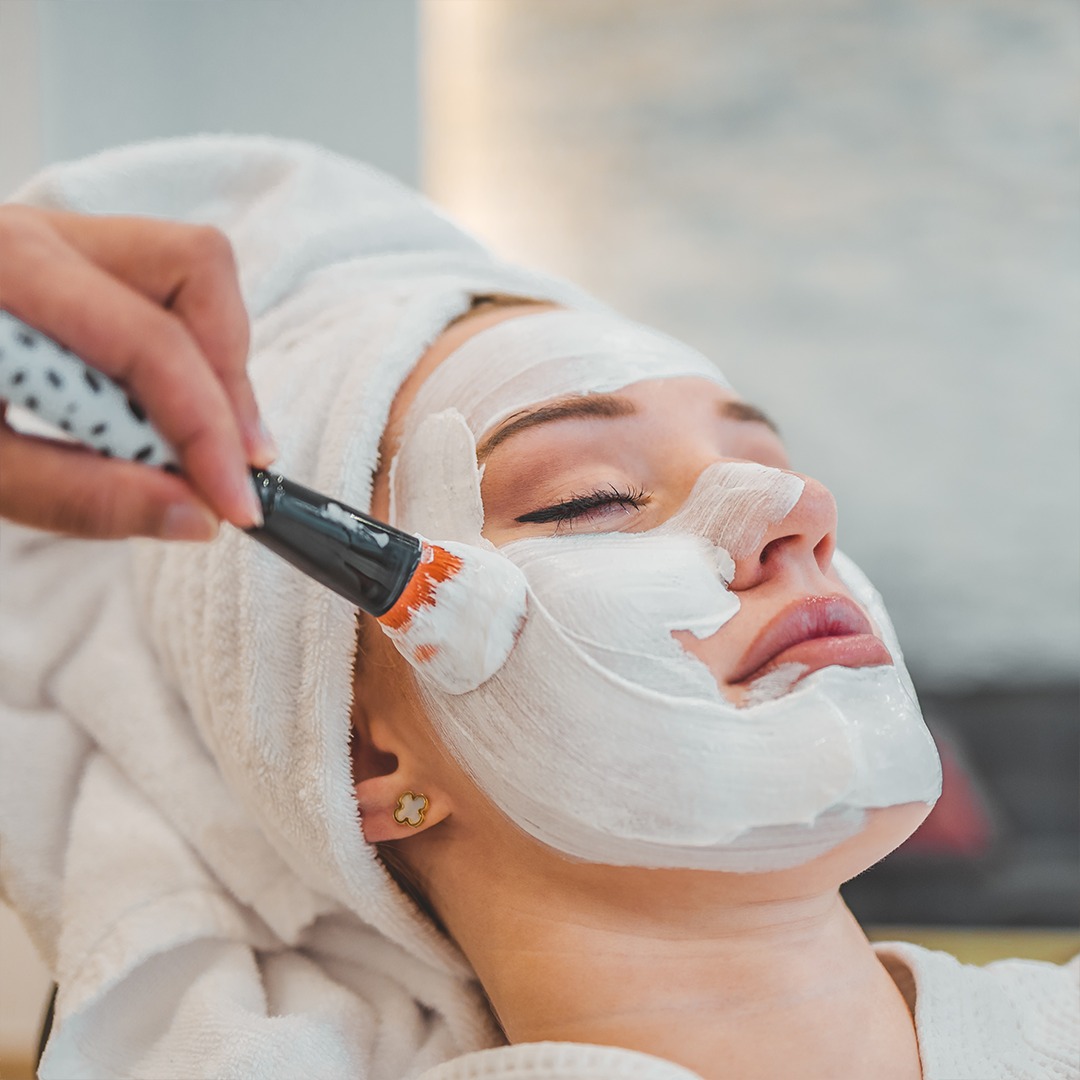
- Mud Masks: Derived from Nile clay to cleanse, exfoliate, and detoxify the skin.
Hair Care
- Egyptians used natural oils and henna to strengthen hair, prevent scalp infections, and enhance shine.
Modern Spa Adaptations
- Facial Treatments: Spas often incorporate clay masks, herbal exfoliants, and oil treatments inspired by ancient formulas.
- Hair Treatments: Nourishing masks using argan, castor, or olive oil emulate Egyptian hair rituals for health and shine.
- Manicures and Pedicures: Henna-inspired designs or natural dyes offer a nod to traditional beauty practices.
By merging ancient wisdom with modern techniques, these treatments promote healthy skin and hair while providing a sensory and cultural experience.
Hydrotherapy: Water as a Healing Element
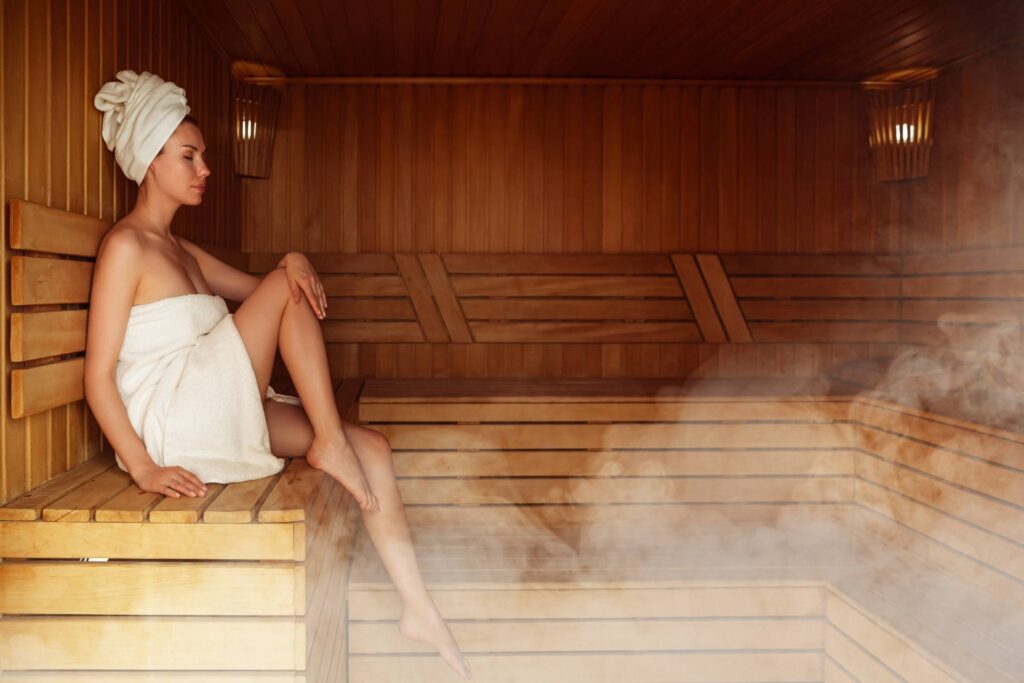
Water held spiritual and healing significance in Egypt. The Nile was not only the lifeblood of the civilization but also a source of wellness rituals.
Ancient Practices
- Cleansing Baths: Egyptians believed that immersion in water purified the body and soul.
- Herbal Infusions: Baths often included herbs, milk, or honey to nourish the skin and enhance relaxation.
- Temperature Therapy: Alternating warm and cool baths was believed to improve circulation and balance energies.
Modern Spas
Hydrotherapy remains a cornerstone of modern Egyptian-themed spa treatments:
- Aromatherapy Baths: Infused with essential oils, lotus flowers, or milk, echoing Cleopatra’s rituals.
- Jacuzzi and Whirlpool Therapy: Combines warm water and jets for muscle relaxation.
- Thermal Pools: Alternating temperatures to stimulate circulation, relieve tension, and rejuvenate the skin.
The modern interpretation maintains the ritualistic and relaxing essence of ancient hydrotherapy, proving its enduring value.
Holistic Health Practices
Ancient Egyptians also emphasized lifestyle, diet, and mental wellness. Modern wellness spas often incorporate these holistic concepts:
Aromatherapy
- Use of natural scents like frankincense, myrrh, lotus, and cinnamon.
- Stimulates mood, reduces stress, and enhances meditation or massage experiences.
Meditation and Relaxation
- Spas may offer quiet spaces inspired by temple sanctuaries for mindfulness and reflection, mirroring Egyptian emphasis on spiritual balance.
Diet and Nutrition
- Ancient Egyptians consumed foods rich in antioxidants and healthy fats, like figs, dates, and sesame seeds.
- Some wellness retreats incorporate nutritional advice or infused beverages that echo these ancient habits.
These practices show that wellness in Egypt was never just external—it embraced body, mind, and spirit.
The Modern Benefits of Ancient Egyptian Wellness
Adapting these rituals to contemporary spa practices offers numerous benefits:
- Stress Relief: Massages, hydrotherapy, and aromatherapy reduce cortisol levels and enhance relaxation.
- Improved Circulation: Oil massages and hydrotherapy stimulate blood flow and lymphatic drainage.
- Skin Nourishment: Natural oils and clay masks restore moisture, remove impurities, and enhance radiance.
- Mental Clarity: Meditation and aromatic rituals improve focus, calm, and emotional balance.
- Cultural Enrichment: Experiencing ancient rituals provides a connection to history, enhancing the sense of wellbeing.
By combining tangible wellness outcomes with cultural immersion, these practices provide a unique and memorable spa experience.
How to Experience Ancient Egyptian Rituals Today
If you’re planning to explore these rituals in a modern setting, here’s how to approach it:
1. Choose the Right Spa
Look for spas that:
- Offer Egyptian-themed packages or treatments inspired by history.
- Use natural oils, clay, and herbal products reminiscent of ancient formulas.
- Have experienced therapists trained in traditional massage techniques.
2. Pick Treatments According to Your Needs
- Relaxation: Aromatherapy massage or hydrotherapy bath.
- Skin rejuvenation: Clay masks, oil treatments, and facials.
- Hair care: Ancient oil-based treatments for shine and strength.
3. Immerse Yourself in the Ritual
- Dedicate time for meditation, breathing, and reflection during treatments.
- Use the sensory experience—aromas, textures, music—to enhance your sense of wellbeing and connection to history.
Tips for First-Time Visitors
- Arrive early to enjoy the full experience without rush.
- Communicate allergies or sensitivities to oils and herbs.
- Stay hydrated before and after treatments.
- Combine treatments for holistic benefit: massage plus hydrotherapy plus facial.
- Take time to reflect after the session; wellness is enhanced by mental relaxation.
Conclusion
Ancient Egyptian wellness rituals are far more than historical curiosities—they are blueprints for modern holistic health. From natural oils and massages to hydrotherapy and beauty rituals, the Egyptians understood that true wellness combines physical, mental, and spiritual care.
Modern spas around the world, especially in Egypt, have successfully preserved these practices, offering clients a unique journey through history while promoting relaxation, rejuvenation, and inner balance. Experiencing these treatments allows us not only to care for our bodies but also to connect with a civilization that valued health, beauty, and the harmony of mind and body thousands of years ago.
Whether you are drawn to the luxury of Cleopatra-inspired baths, the soothing touch of herbal oil massages, or the invigorating power of hydrotherapy, exploring ancient Egyptian wellness today is a way to honor history, indulge in self-care, and experience timeless beauty and relaxation.

Leave a Reply