


Hydrotherapy and Water-Based Spa Treatments: A Complete Guide to Healing and Relaxation
Water has been used as a tool for healing, rejuvenation, and relaxation for thousands of years. From ancient civilizations to modern spa resorts, hydrotherapy and water-based treatments are among the most effective methods to improve physical health, mental clarity, and overall well-being. In this comprehensive guide, we explore hydrotherapy techniques, including saunas, steam rooms, Jacuzzis, and water-based healing traditions, along with scientific benefits, treatment options, and relaxation results.
1. What is Hydrotherapy?
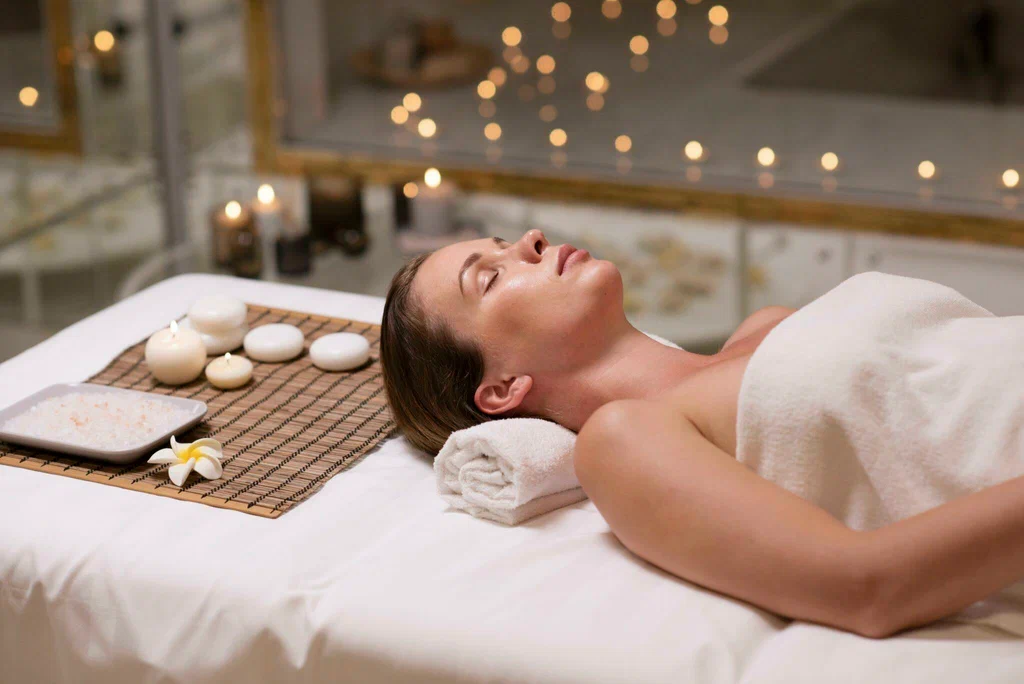
Hydrotherapy, also known as water therapy, involves the use of water in various forms—hot, cold, or alternating temperatures—to promote healing and relaxation. This practice is rooted in history, from the Roman baths to Japanese onsens and Nordic saunas, where water-based treatments were integral to daily wellness.
Hydrotherapy is not just about immersion; it also includes:
- Jets and whirlpools: Targeting muscles and joints.
- Contrast baths: Alternating hot and cold water for circulation.
- Water massage: Using pressurized water streams for therapeutic effect.
- Relaxation pools: Warm water to calm the mind and body.
Modern spas combine these traditional practices with advanced technology to enhance both physical and mental benefits.
2. Benefits of Hydrotherapy
Hydrotherapy offers a wide range of scientifically supported health benefits. Regular treatments can improve circulation, reduce pain, lower stress levels, and enhance muscle recovery.
Physical Benefits
- Improved circulation: Warm water dilates blood vessels, increasing blood flow and oxygen delivery.
- Muscle relaxation: Jets, whirlpools, and warm baths ease tension and reduce stiffness.
- Joint relief: Water supports the body, reducing pressure on joints and assisting mobility.
- Detoxification: Steam and heat induce sweating, aiding in the removal of toxins.
Mental and Emotional Benefits
- Stress reduction: Warm water immersion triggers the release of endorphins, promoting relaxation.
- Enhanced sleep: Hydrotherapy can improve sleep quality by reducing tension and calming the nervous system.
- Mood improvement: Water-based treatments reduce cortisol levels, which decreases stress and anxiety.
3. Popular Hydrotherapy Treatments in Modern Spas
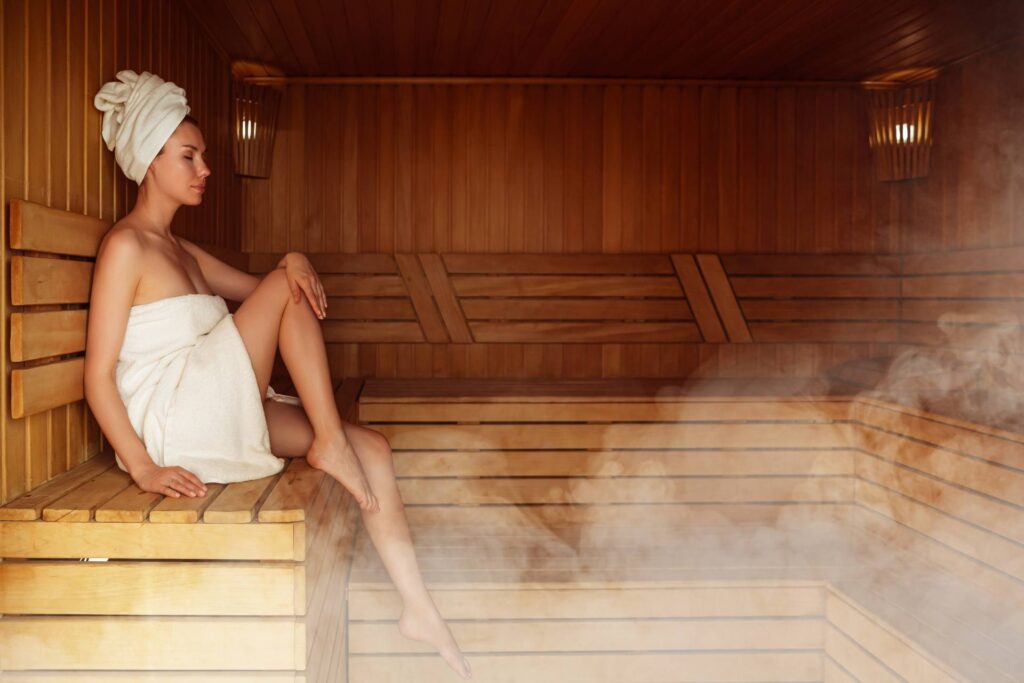
Spas today offer a wide range of hydrotherapy experiences, each designed to meet specific wellness goals. Below are some of the most popular treatments:
3.1 Saunas
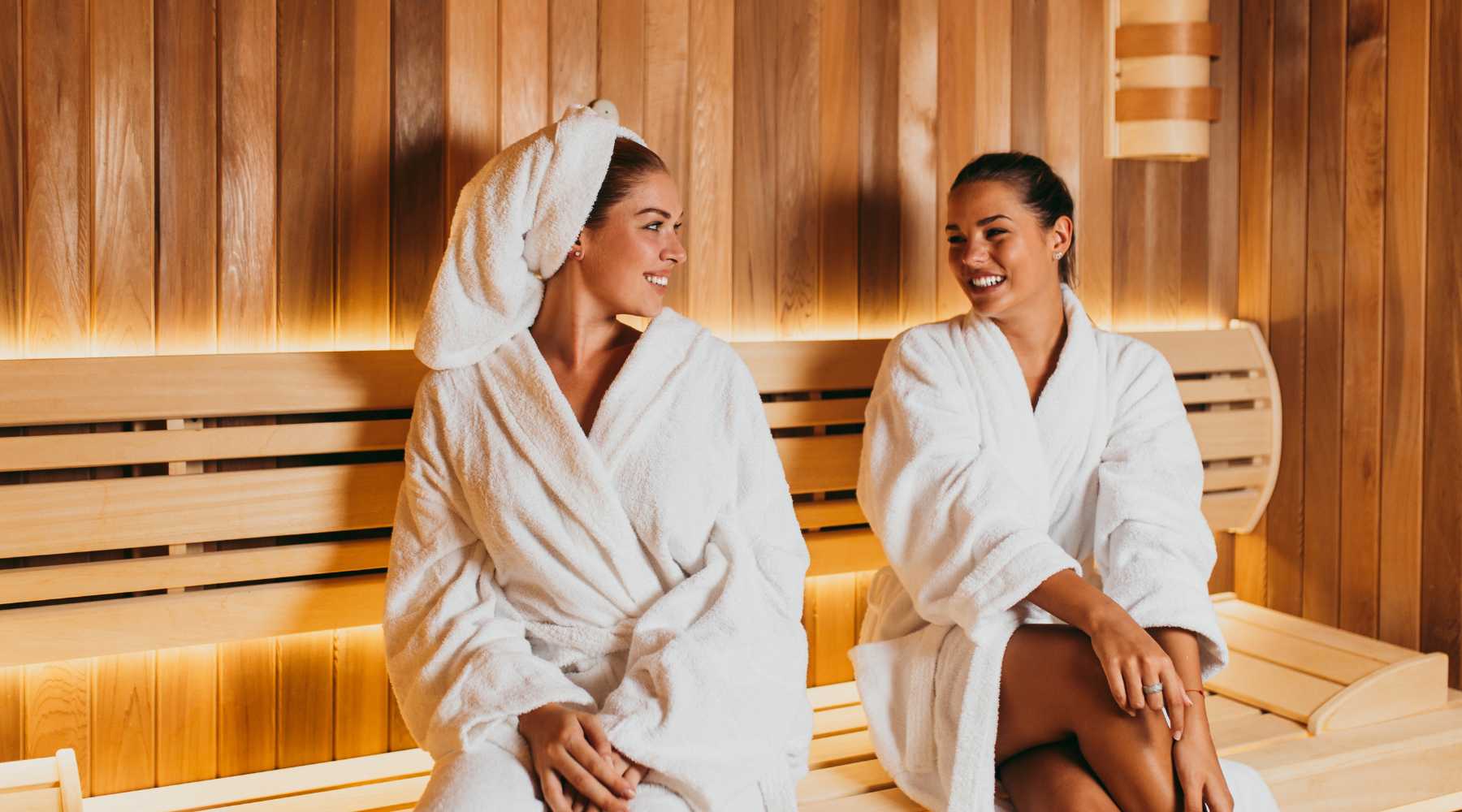
Saunas use dry heat, typically ranging from 70°C to 100°C (158°F to 212°F). Traditional Finnish saunas are especially renowned for their health benefits.
Benefits:
- Detoxifies through sweating.
- Improves cardiovascular health.
- Relieves muscle and joint pain.
- Enhances skin health by opening pores.
Tips for Use:
- Limit sessions to 15–20 minutes per round.
- Stay hydrated before and after the sauna.
- Combine with a cold shower or plunge pool for contrast therapy.
3.2 Steam Rooms
Steam rooms provide moist heat, typically at 40–45°C (104–113°F) with nearly 100% humidity. This high humidity differentiates them from dry saunas.
Benefits:
- Clears respiratory passages, aiding breathing and sinus health.
- Hydrates skin and improves complexion.
- Relieves muscular tension and stiffness.
- Promotes relaxation through warm, humid air.
Tips for Use:
- Keep sessions to 10–15 minutes for first-time users.
- Use a towel to sit on to maintain hygiene.
- Exiting slowly prevents dizziness.
3.3 Jacuzzis and Hot Tubs
Jacuzzis use heated water combined with jets to massage muscles. Temperature typically ranges between 36°C and 40°C (97°F to 104°F).
Benefits:
- Reduces soreness and inflammation.
- Stimulates circulation.
- Helps with chronic pain conditions like arthritis.
- Encourages mental relaxation.
Tips for Use:
- Limit time to 20–30 minutes per session.
- Avoid extremely high temperatures if you have cardiovascular concerns.
- Stay hydrated during and after the soak.
3.4 Contrast Therapy
Contrast therapy alternates between hot and cold water, often through showers, baths, or hydrotherapy pools.
Benefits:
- Boosts circulation and lymphatic flow.
- Reduces muscle soreness after exercise.
- Enhances recovery for athletes.
- Improves immune system function.
How to Use:
- Alternate 3–5 minutes of hot immersion with 1 minute of cold immersion.
- Repeat 3–4 cycles for maximum benefit.
- End with a cold rinse to energize the body.
3.5 Water Massage and Hydro-Massage Beds
These treatments use pressurized water jets to massage the body, either while submerged or on specialized massage beds.
Benefits:
- Reduces tension and muscle knots.
- Increases blood and lymphatic circulation.
- Promotes deep relaxation without direct human contact.
- Ideal for those who prefer a gentler massage experience.
4. Ancient and Cultural Hydrotherapy Traditions
Hydrotherapy is deeply rooted in global wellness traditions:
- Roman Baths: Ancient Romans built elaborate baths with hot, warm, and cold sections for relaxation and social interaction.
- Turkish Hammams: Steam rooms and exfoliating treatments in Middle Eastern hammams combine cleansing and relaxation.
- Japanese Onsens: Natural hot springs in Japan are used for centuries for healing and stress relief.
- Nordic Saunas: In Finland and Scandinavia, alternating between hot saunas and cold plunges is common for cardiovascular health and skin rejuvenation.
Modern spas integrate these traditions with new technology, offering experiences that are both authentic and optimized for today’s wellness needs.
5. Choosing the Right Hydrotherapy Treatment
Factors to Consider
- Health conditions: Consult a doctor if you have heart issues, high blood pressure, or pregnancy.
- Desired outcome: Relaxation, muscle recovery, detoxification, or respiratory benefits.
- Time availability: Some treatments are quick, like a 10-minute steam session, while others, like spa rituals, can last several hours.
- Comfort level: Try different temperatures, humidity, and pressure levels to find what suits you best.
Combining Treatments
- Begin with a sauna or steam session to warm the body.
- Follow with a Jacuzzi or hydro-massage to relieve muscle tension.
- End with a contrast shower or plunge pool to invigorate circulation.
This sequence maximizes both relaxation and therapeutic effects.
6. Scientific Insights
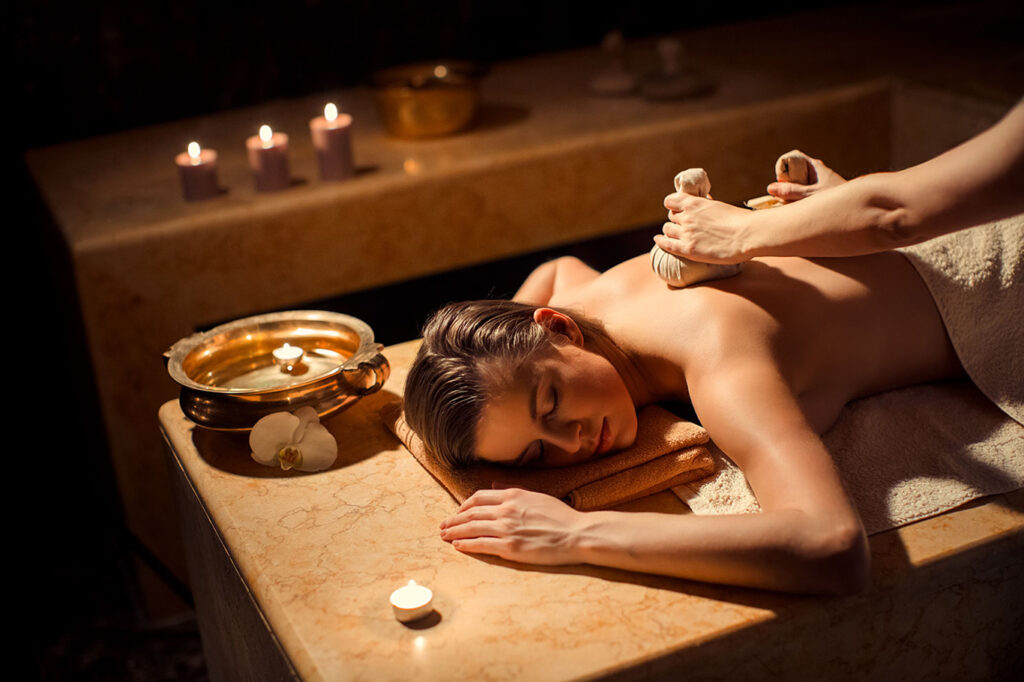
Recent research confirms many hydrotherapy benefits:
- Circulation and heart health: Alternating heat and cold improves vascular function and blood flow.
- Pain management: Immersion in warm water decreases pain perception and reduces stiffness in joints and muscles.
- Stress reduction: Hydrotherapy activates the parasympathetic nervous system, lowering stress hormones.
- Skin and detox: Heat-induced sweating can remove toxins and impurities from the skin.
7. Preparing for a Hydrotherapy Session
To maximize benefits:
- Hydrate: Drink water before and after treatments.
- Shower: Clean skin ensures a better experience.
- Remove jewelry: Metals heat up or tarnish in water treatments.
- Start slow: If new to hydrotherapy, begin with shorter sessions.
- Listen to your body: Leave immediately if you feel dizzy, nauseous, or overheated.
8. Hydrotherapy for Mental Wellness
Hydrotherapy is not only about physical health. Water’s soothing properties, combined with spa environments, improve mental well-being:
- Reduces anxiety and promotes mindfulness.
- Enhances sleep quality by calming the nervous system.
- Encourages meditation and reflection in warm, serene environments.
Even a short 15–20 minute soak can leave the mind refreshed and stress-free.
9. Modern Spa Experiences
Many spas now offer immersive hydrotherapy rituals combining multiple techniques:
- Hydrotherapy circuits: Pools, Jacuzzis, steam rooms, and cold plunges in one session.
- Aromatherapy and water therapy: Essential oils added to baths enhance relaxation and mood.
- Couples hydrotherapy: Private experiences designed for shared relaxation.
- Personalized hydrotherapy treatments: Adjusted for specific health conditions, athletic recovery, or beauty goals.
These curated experiences aim to offer a holistic balance of mind, body, and spirit.
10. Tips for Enjoying Hydrotherapy Safely
- Consult your doctor if you have heart, blood pressure, or respiratory issues.
- Limit exposure to high temperatures, especially in saunas and hot tubs.
- Avoid alcohol before or during hydrotherapy.
- Supervise children in pools or Jacuzzis at all times.
- Respect spa hygiene rules, including showering before use.
Conclusion
Hydrotherapy and water-based spa treatments are among the most effective ways to relax, heal, and rejuvenate. From traditional saunas and steam rooms to modern Jacuzzis and hydro-massage beds, these therapies offer physical, mental, and emotional benefits. Scientific studies support their effectiveness for circulation, pain relief, stress reduction, and skin health.
By understanding the options, benefits, and proper techniques, anyone can enjoy a transformative hydrotherapy experience. Whether you seek muscle recovery, mental relaxation, or a holistic spa journey, water-based treatments provide an ancient yet modern path to well-being.
Immerse yourself, feel the water’s healing power, and discover the profound balance that hydrotherapy brings to both body and mind.

Leave a Reply