


Spa Therapy for Mental Wellness: How Relaxation Treatments Reduce Stress and Boost Emotional Health
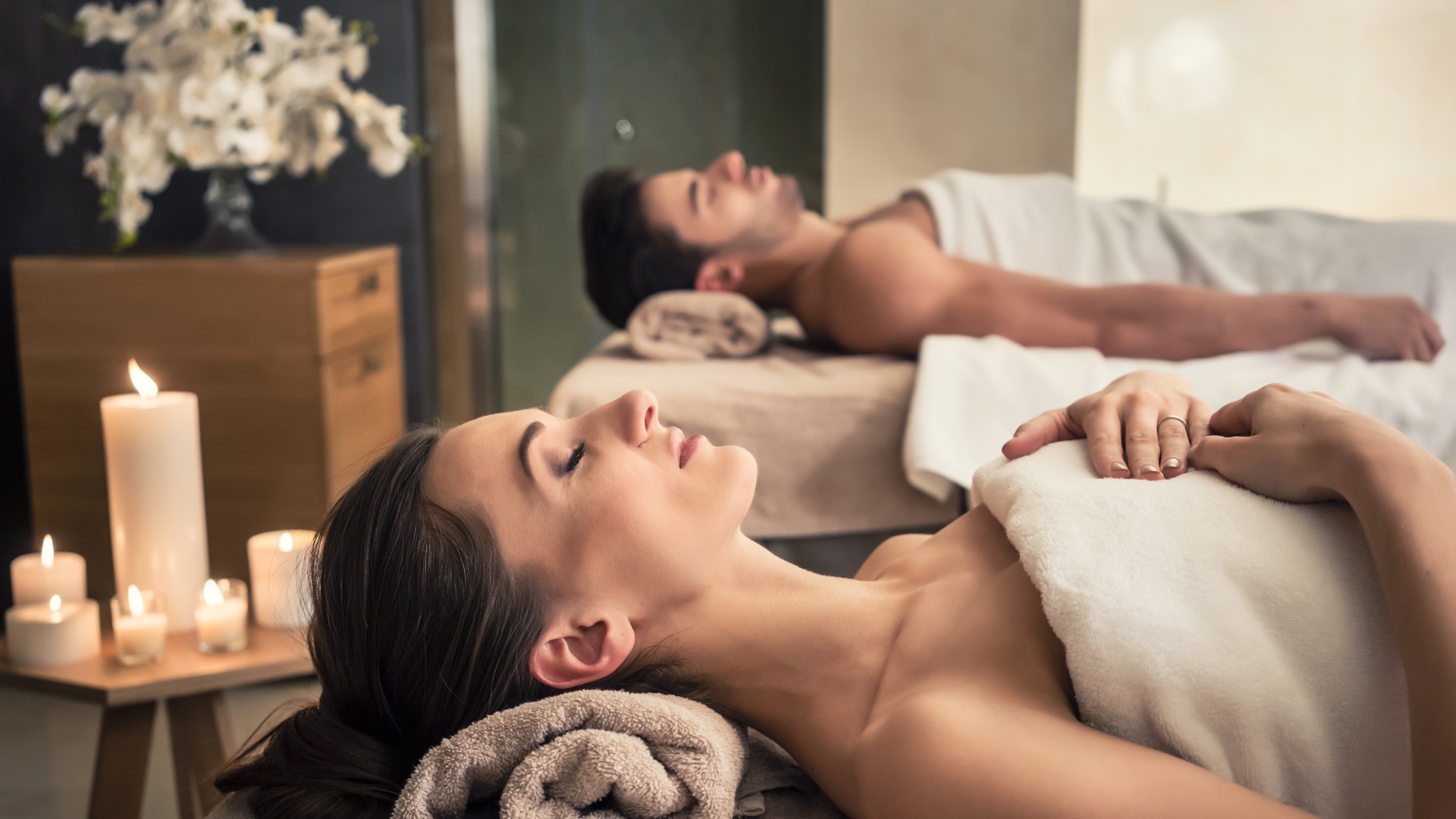
In today’s fast-paced world, chronic stress has become an everyday challenge. The pressures of work, family, and social obligations can leave both mind and body feeling drained. One of the most enjoyable and effective ways to combat stress and improve mental wellbeing is through spa therapy. Beyond indulgence, spa treatments provide scientifically backed benefits, reducing stress, relieving muscle tension, lowering anxiety, and enhancing emotional health. This guide explores how spa therapies work, their holistic effects, examples of treatments, and lifestyle strategies to maximize long-term mental wellness.
Understanding Stress and Its Effects on Mental Health
Stress triggers the body’s sympathetic nervous system, also known as the “fight or flight” response. This leads to:
- Release of cortisol and adrenaline, raising heart rate, blood pressure, and energy mobilization.
- Muscle tension as the body prepares for action.
- Emotional fluctuations, including irritability and anxiety.
- Sleep disturbances that impair cognitive function.
Chronic stress can contribute to anxiety disorders, depression, high blood pressure, and weakened immunity. Spa treatments help counter this by activating the parasympathetic nervous system, the “rest and digest” mode, promoting relaxation and recovery.
How Spa Treatments Reduce Stress
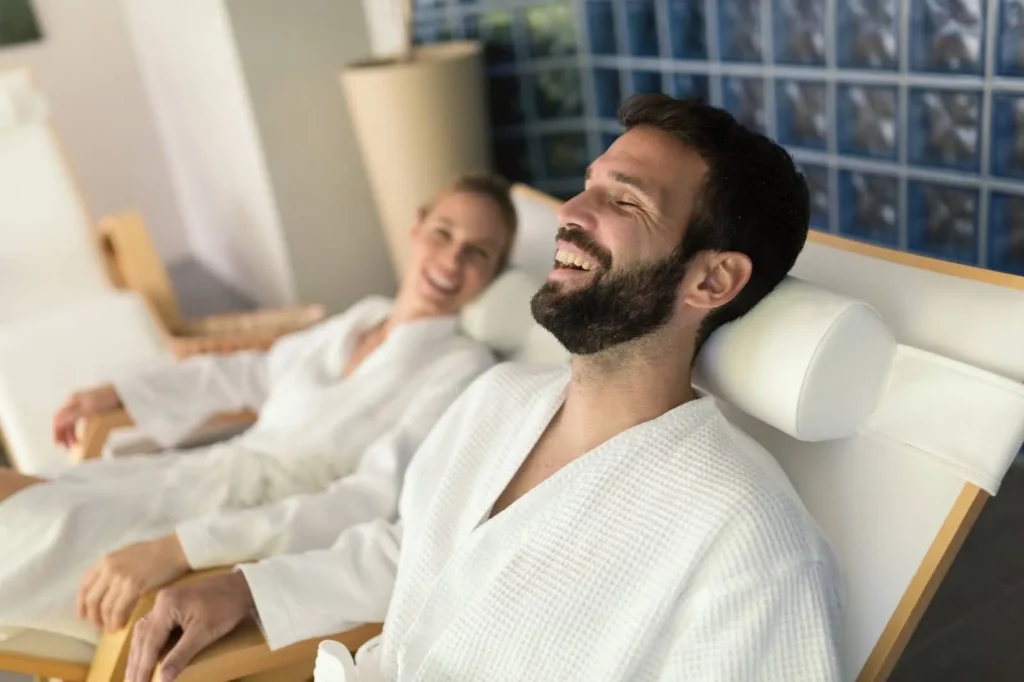
Spa therapies reduce stress through multiple pathways:
1. Physical Relaxation
- Massage, hydrotherapy, and body wraps relax tight muscles.
- Benefits include:
- Lowered cortisol levels (massage therapy can reduce cortisol by up to 31%).
- Increased serotonin and dopamine for improved mood.
- Enhanced circulation for muscle and organ health.
2. Mental and Emotional Benefits
- Aromatherapy, guided meditation, and mindful relaxation provide sensory calm.
- Effects include:
- Reduced anxiety and depressive symptoms.
- Increased mindfulness and self-awareness.
- Safe space for emotional release.
Research shows individuals who receive regular spa treatments report significantly lower anxiety and depression levels compared to those without spa therapy.
Popular Spa Treatments and Their Benefits
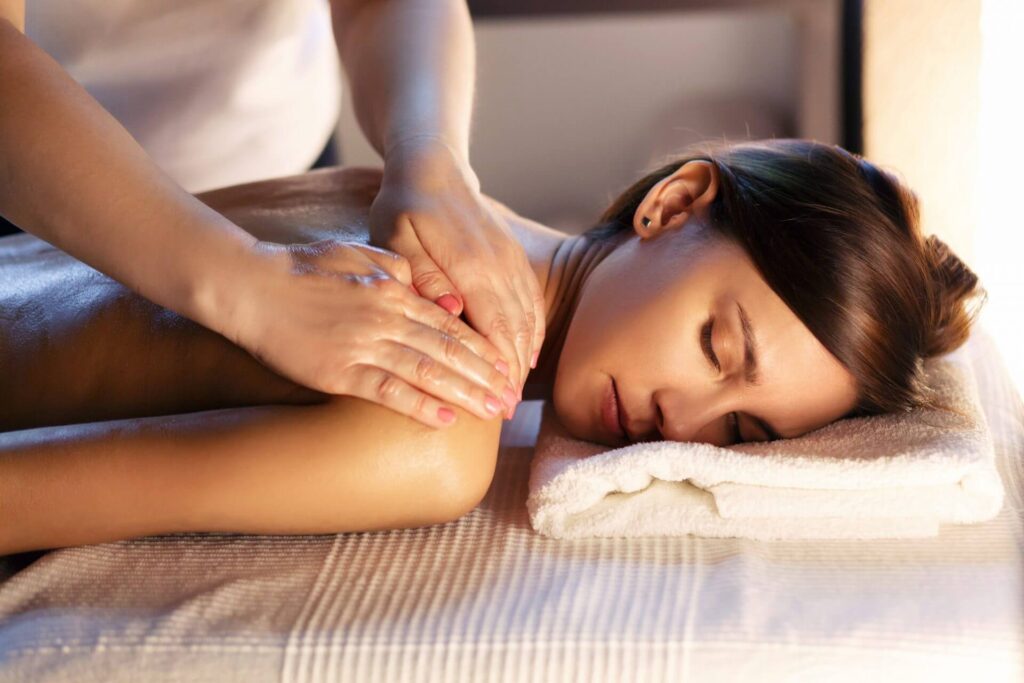
Massage Therapy
- Swedish Massage: Long strokes to relax superficial muscles and improve circulation.
- Deep Tissue Massage: Targets deeper muscles to relieve chronic tension.
- Hot Stone Massage: Combines heat and massage for deep relaxation.
Benefits: Muscle relaxation, improved sleep, reduced anxiety, and mental fatigue.
Hydrotherapy
- Hot baths and Jacuzzis: Relax muscles and promote blood flow.
- Saunas and steam rooms: Trigger relaxation and detoxification.
- Contrast therapy (hot and cold): Improves circulation and reduces inflammation.
Aromatherapy
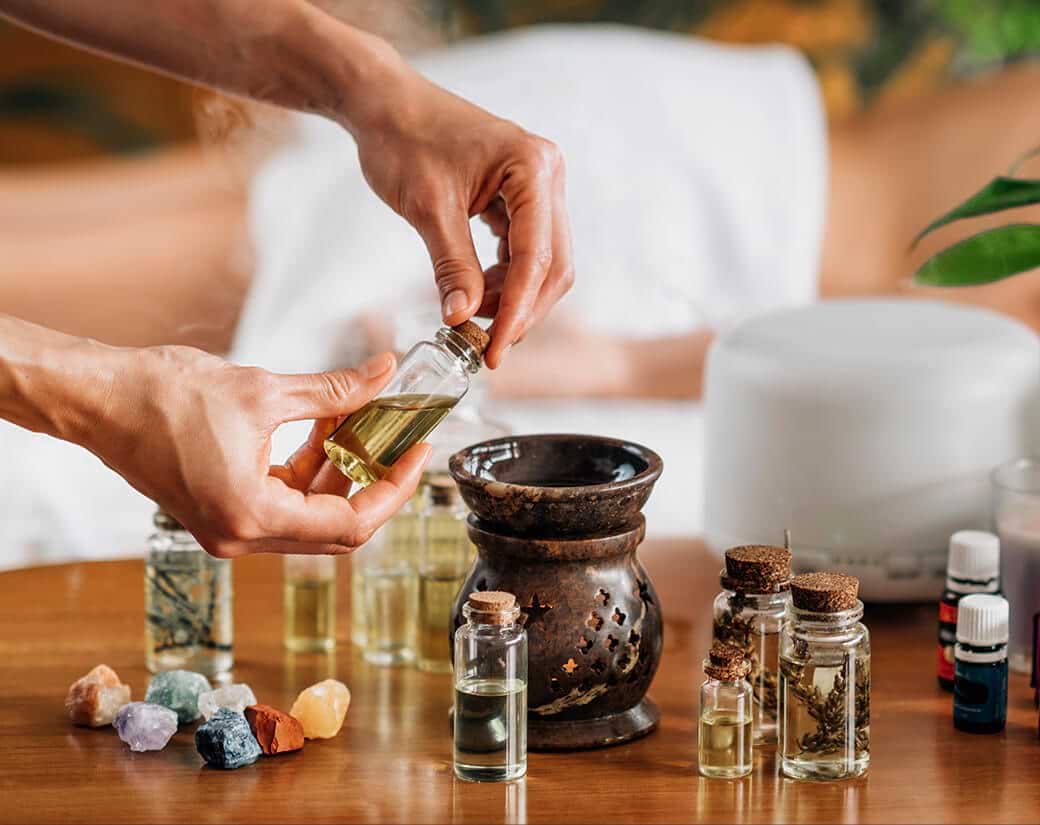
- Essential oils like lavender, chamomile, and sandalwood lower cortisol and heart rate while enhancing emotional balance.
Facials and Skin Treatments
- Gentle massage, warm compresses, and sensory stimulation reduce facial tension and stress.
Meditation and Mindfulness
- Guided sessions reduce amygdala overactivation, improve emotional regulation, and promote calm.
Body Wraps and Scrubs
- Exfoliation, detoxifying wraps, and hydrating treatments improve skin tone, stimulate circulation, and reduce muscle tension.
The Mind-Body Connection
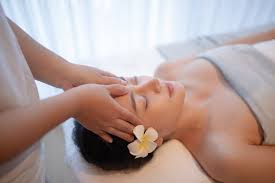
Spa therapies integrate mind and body by:
- Stimulating the vagus nerve to activate relaxation.
- Using warmth and buoyancy to ease physical and mental stress.
- Encouraging mindful focus on sensations for emotional release.
- Engaging scents and soothing environments to trigger positive neural responses.
This holistic approach parallels yoga, tai chi, and meditation, combining physiological and cognitive relaxation for total wellbeing.
Lifestyle Tips to Enhance Spa Benefits
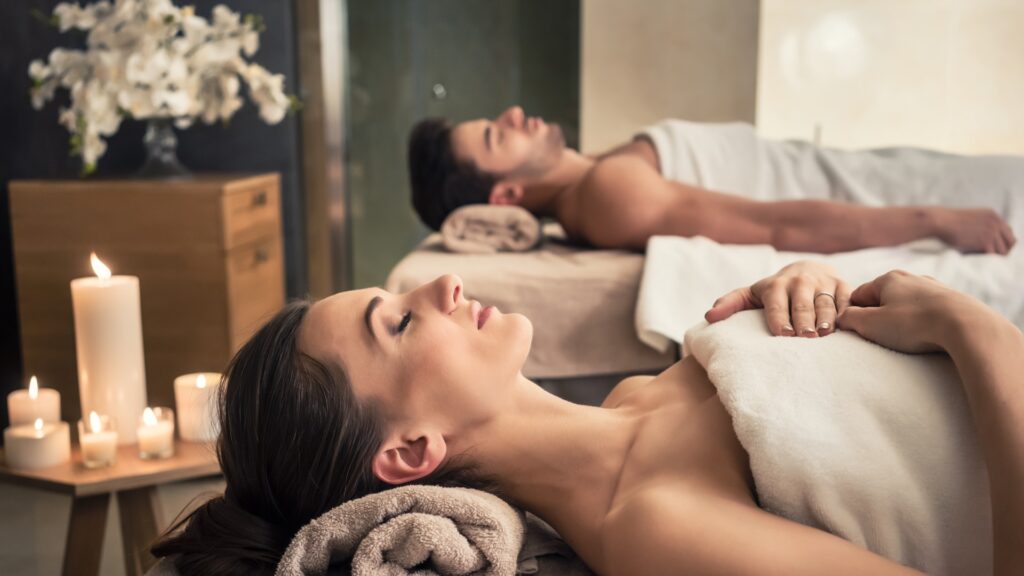
- Regular Self-Care: Schedule weekly or monthly spa visits and maintain at-home relaxation routines.
- Mindful Breathing: Deep breathing before, during, and after treatments reinforces calm.
- Hydration and Nutrition: Drink water and eat nutrient-rich foods to support recovery.
- Sleep Hygiene: Combine spa therapy with quality sleep routines.
- Digital Detox: Disconnect from devices to reduce external stress.
- Movement: Gentle yoga, stretching, or walking prolong relaxation benefits.
Scientific Evidence Supporting Spa Therapy
- Cortisol Reduction: Massage significantly lowers stress hormones.
- Mood Enhancement: Aromatherapy and massage boost serotonin and dopamine.
- Heart Health: Spa treatments can lower heart rate and blood pressure.
- Muscle Recovery: Hydrotherapy and massage reduce soreness and tension.
- Sleep Improvement: Relaxation therapies improve sleep quality.
A 2018 review in the Journal of Alternative and Complementary Medicine confirmed that regular spa therapy measurably improves both psychological and physiological stress markers.
Frequently Asked Questions
How often should I visit a spa for stress relief?
Weekly or bi-monthly visits provide maximum benefit, though even monthly sessions help reduce anxiety.
Can spa treatments help with chronic anxiety or depression?
They are supportive but not a replacement for medical treatment. Spa therapy improves mood, reduces stress, and aids emotional regulation.
Are there effective at-home spa practices?
Yes! Aromatherapy, baths, self-massage, meditation, and relaxing music replicate many spa benefits.
Is spa therapy safe for everyone?
Most treatments are safe, but consult a professional for medical conditions, skin issues, or recent injuries.
Integrating Spa Therapy into Daily Life
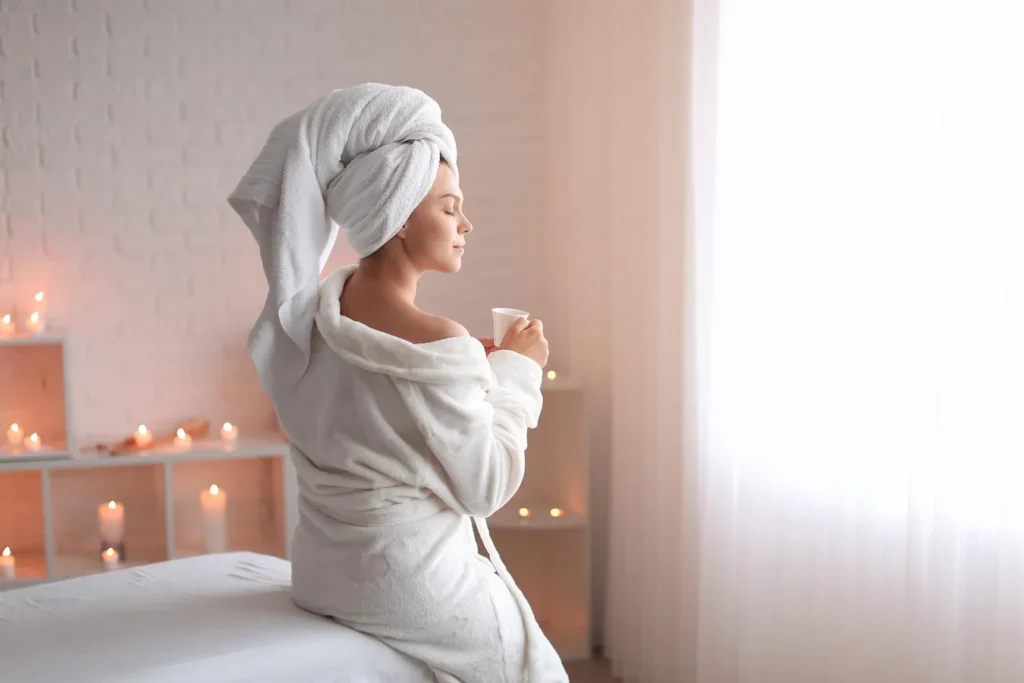
- Morning: Deep breathing with essential oils to start the day calmly.
- Midday: Short walks, stretching, or massage chairs for a reset.
- Evening: Calming bath or facial massage to prepare for restful sleep.
- Weekly Spa Day: Dedicated time for massage, hydrotherapy, or mindfulness.
Conclusion: Spa Therapy for Holistic Mental Wellness
Spa treatments go beyond luxury—they are proven tools for stress reduction, emotional regulation, muscle relaxation, anxiety relief, and mental wellbeing. By combining therapies like massage, hydrotherapy, aromatherapy, and mindfulness with healthy lifestyle habits, spa experiences nurture the mind, body, and spirit.
Investing in spa therapy is investing in long-term emotional health. In a world full of constant demands, allowing yourself time to relax and recharge isn’t indulgent—it’s essential.

Leave a Reply