


The Complete Guide to Spa Facial Treatments: Types, Benefits, Techniques, and Expert Skincare Advice
Spa facial treatments have become an essential part of modern wellness routines. With growing awareness around self-care, healthy aging, and the importance of skincare, more people are turning to spas for expert treatments that rejuvenate the skin and restore inner balance. Whether your goal is a radiant complexion, anti-aging support, acne control, deep hydration, or stress relief, a professional facial can deliver noticeable improvements.
This comprehensive guide explores everything you need to know about facials. You’ll learn about the most popular treatment types, step-by-step procedures, skin benefits, cleansing methods, recommended visit frequency, ideal candidates for each treatment, and expert tips for achieving long-lasting skincare results.
What Exactly Is a Spa Facial?
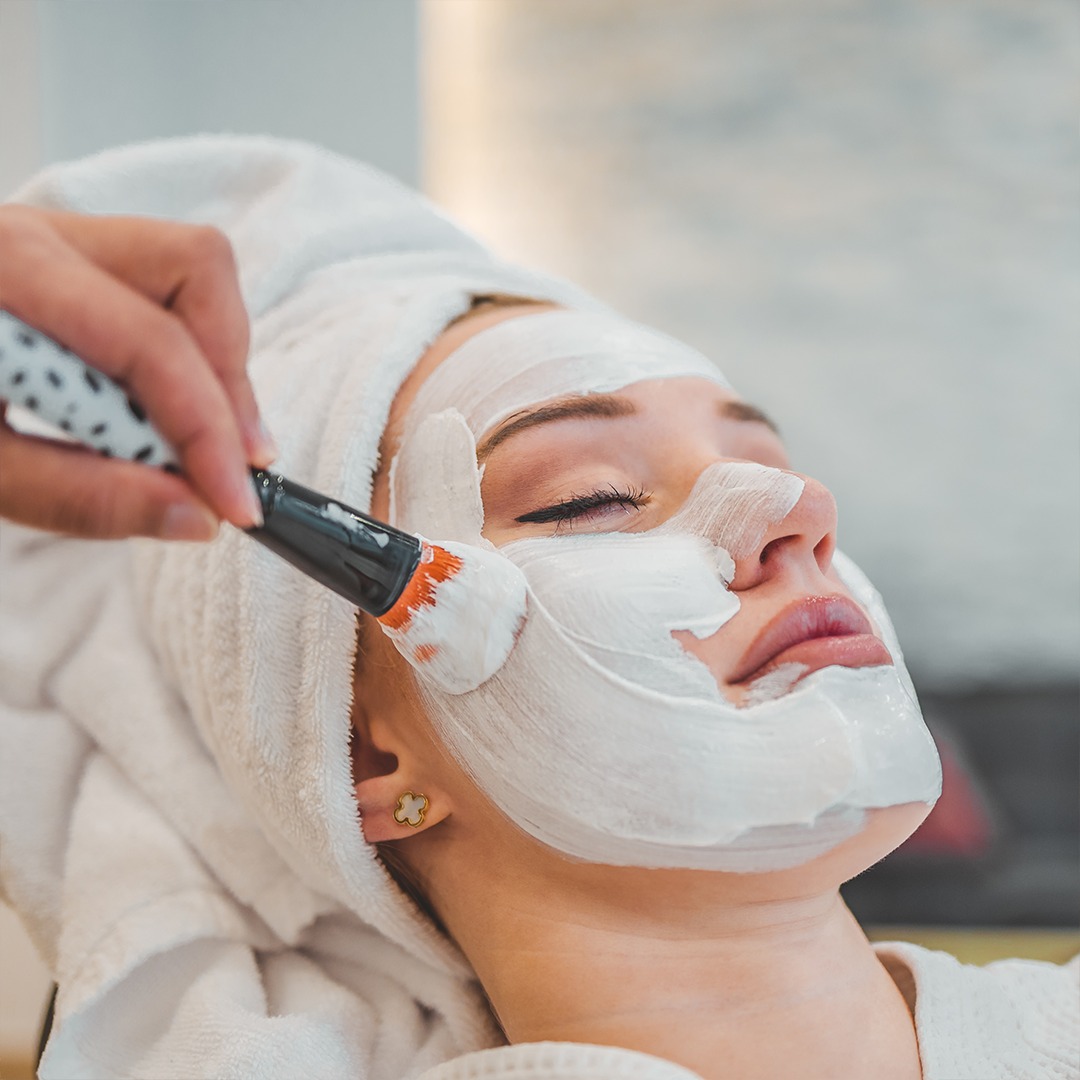
A spa facial is a multi-step treatment designed to improve the health, appearance, and texture of your skin. Unlike at-home skincare, facials use advanced products, professional tools, and specialized massage techniques performed by licensed estheticians who assess your skin’s needs.
A typical facial includes:
- Skin analysis
- Deep cleansing
- Exfoliation
- Steaming
- Manual or mechanical extractions
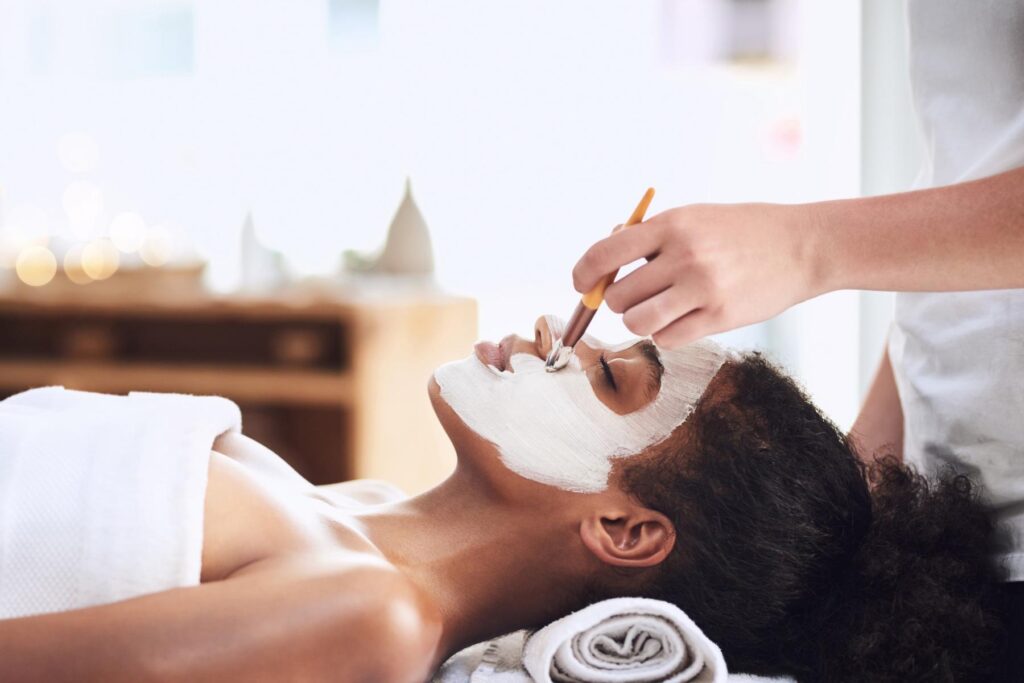
- Treatment masks
- Facial, neck, and shoulder massage
- Targeted serums
- Hydration and sun protection
The exact steps vary depending on the type of facial you choose and your skin concerns.
Why Spa Facials Matter for Long-Term Skin Health
Professional facials offer benefits that regular home care cannot achieve:
1. Deep Cleansing Beyond the Surface
Spas use professional-grade cleansers and techniques that remove dirt, oil, sweat, sunscreen buildup, and environmental pollutants embedded deep within pores.
2. Improved Skin Texture
By removing dead skin cells and stimulating renewal, facials make your skin softer, smoother, and more radiant.
3. Expert Extractions
Proper extraction prevents scarring, enlarged pores, and inflammation. Done by a professional, it’s safer than attempting it at home.
4. Anti-Aging Effects
Many facials boost collagen production, firm the skin, and reduce the appearance of wrinkles through massage, antioxidants, and advanced serums.
5. Stress Relief
Facial massage activates pressure points, reduces tension in facial muscles, and encourages lymphatic drainage for a refreshed appearance.
6. Customized Skincare Advice
Your esthetician can assess your skin type and suggest products that truly work for you.
The Most Popular Types of Spa Facial Treatments
Modern spas offer a wide range of facials. Here is a detailed look at the most effective treatments and what makes each one unique.
1. Classic European Facial
This is the foundation of all spa facial treatments—ideal for beginners or anyone wanting a routine deep cleanse.
What’s Included
- Cleansing
- Exfoliation
- Steam
- Extractions
- Facial massage
- Mask
- Moisturizer and SPF
Best For
Normal, combination, or slightly congested skin.
Benefits
- Improves circulation
- Evens out texture
- Clears clogged pores
- Relaxing and refreshing
2. Hydrafacial (Hydrodermabrasion)
One of the most in-demand modern facials, combining cleansing, exfoliation, extraction, hydration, and antioxidant infusion.
What’s Included
- Water-based exfoliation
- Painless vacuum extractions
- Serums infused into the skin
- LED light therapy (optional)
Best For
All skin types, especially dry or dull skin and those wanting immediate results.
Benefits
- Deep hydration
- Smooth, glowing complexion
- Reduces fine lines
- Helps reduce pigmentation
3. Anti-Aging Facial
Focused on lifting, firming, and rejuvenating mature or stressed skin.
Typical Treatments
- Collagen masks
- Peptide serums
- Microcurrent lifting
- Radiofrequency tightening (optional)
- Vitamin C infusions
Best For
Visible aging signs such as wrinkles, sagging, dryness, or loss of radiance.
Benefits
- Boosts collagen
- Increases elasticity
- Smooths wrinkles
- Improves skin density
4. Deep Cleansing / Acne Control Facial
Designed for congested, oily, or acne-prone skin.
What’s Included
- Professional-grade exfoliation
- Deep steam
- Thorough extractions
- Clay or charcoal masks
- Blemish-control serums
- High-frequency treatment
Best For
Teens, adults with hormonal acne, or anyone struggling with blackheads and breakouts.
Benefits
- Clears clogged pores
- Reduces inflammation
- Balances oil production
- Prevents future breakouts
5. Brightening Facial
Focusing on dullness, pigmentation, and uneven skin tone.
Common Ingredients
- Vitamin C
- Kojic acid
- Niacinamide
- AHA peels
- Fruit-enzyme masks
Best For
Sun damage, uneven pigmentation, or tired-looking skin.
Benefits
- Illuminates complexion
- Fades dark spots
- Stimulates cell renewal
6. Microdermabrasion Facial
A mechanical exfoliation technique that uses crystals or a diamond tip to remove the top layer of dead skin.
Best For
- Acne scars
- Fine lines
- Rough or thickened skin
- Uneven texture
Benefits
- Smooths skin
- Enhances product absorption
- Encourages regeneration
7. Chemical Peel Facial
Controlled exfoliation using AHAs, BHAs, or TCA.
Best For
Deep pigmentation, acne scars, wrinkles, and dullness.
Benefits
- Dramatically rejuvenates skin
- Improves tone and texture
- Stimulates collagen
Mild peels require no downtime, while deeper peels require recovery time.
8. Oxygen Facial
A modern treatment using pressurized oxygen to push nutrients and serums into the skin.
Best For
Dry or dehydrated skin.
Benefits
- Plumps skin
- Reduces redness
- Enhances radiance
9. LED Light Therapy Facial
A technology-based treatment using different wavelengths of light.
Red Light
Stimulates collagen and reduces aging signs.
Blue Light
Kills acne-causing bacteria.
Benefits
- Safe for all skin types
- Helps acne, inflammation, and aging
- Painless and relaxing
Step-by-Step: What Happens During a Professional Facial
While each facial varies, most follow a similar multi-step process.
1. Skin Analysis
The esthetician examines your skin under a magnifying lamp to understand your needs: dryness, congestion, sensitivity, pigmentation, or aging.
2. Cleansing
Dirt, oil, sunscreen, and makeup are removed with gentle but effective cleansers.
3. Exfoliation
Dead skin cells are removed through:
- Enzyme exfoliants
- Scrubs
- Chemical acids
- Microdermabrasion
Exfoliation prepares the skin for deeper treatment.
4. Steam
Warm steam opens pores, softens buildup, and increases blood flow.
5. Extractions
Professionally removing blackheads, whiteheads, and impurities without damaging the skin.
6. Massage
A signature step that relaxes muscles and stimulates lymphatic drainage.
Massage Benefits
- Reduces puffiness
- Improves circulation
- Enhances product absorption
- Releases tension
7. Treatment Mask
The mask is customized to your needs—hydrating, soothing, brightening, clarifying, or firming.
8. Serums and Moisturizer
Targeted serums address your primary concerns:
- Hyaluronic acid for hydration
- Vitamin C for brightening
- Retinol for anti-aging
- Niacinamide for oil control
A protective moisturizer and SPF finalize the treatment.
Skin Benefits of Regular Spa Facials
1. Improved Hydration Levels
Dehydrated skin appears tired, dull, and aged. Facials restore moisture, making skin supple.
2. Reduced Fine Lines and Wrinkles
Anti-aging facials stimulate collagen and elastin.
3. Reduced Acne and Breakouts
Deep cleansing and balanced exfoliation prevent future congestion.
4. Even Skin Tone
Brightening ingredients fade dark spots and sun damage.
5. Better Product Absorption
Freshly exfoliated skin absorbs home-care products more effectively.
6. Improved Confidence
Healthy skin boosts self-esteem and encourages consistent self-care.
How Often Should You Get a Facial?
The ideal frequency depends on your skin type and goals.
Normal Skin
Every 4–6 weeks
Oily or Acne-Prone Skin
Every 2–4 weeks
Dry or Sensitive Skin
Every 4–6 weeks with gentle treatments
Aging or Mature Skin
Monthly facials with targeted anti-aging ingredients
Before Events
1 week before for best results
Consistency is key. Long-term improvement requires regular treatments and proper home care.
Who Should Get a Facial?
1. Teens
Helps regulate hormonal acne and teaches healthy skin routines.
2. Adults with Busy Lifestyles
Reduces stress and supports glowing skin despite lack of sleep or long work hours.
3. Men
Great for ingrown hairs, rough texture, and clogged pores.
4. Mature Clients
Supports collagen production and combats age-related concerns.
5. Clients with Sensitive Skin
Specialized calming facials reduce redness and irritation.
Facials can be tailored to every age group and every skin type.
Expert Skincare Tips to Maximize Facial Results
1. Avoid makeup for at least 12–24 hours
Let your skin breathe and recover.
2. Use sunscreen daily
Facials make your skin more receptive to UV damage if unprotected.
3. Stay hydrated
Drink plenty of water to support detoxification and hydration.
4. Don’t exfoliate for 3–4 days post-facial
Your skin is already deeply exfoliated.
5. Follow a consistent home routine
Cleanser, toner, serum, moisturizer, SPF — the essentials.
6. Use products recommended by your esthetician
They are selected for your skin’s specific needs.
7. Avoid touching or picking your skin
This prevents irritation and breakouts.
8. Schedule treatments regularly
Just like exercise, results improve with consistency.
How Facial Treatments Support Overall Wellness
Spa facials do more than simply improve skin—they enhance whole-body wellness.
Stress Relief
Facial massage relaxes muscles, reduces anxiety, and activates feel-good hormones.
Better Sleep
Relaxation during and after the treatment improves sleep quality.
Mindfulness
Quiet, calming environments promote mental clarity and peace.
Detoxification
Lymphatic stimulation supports the removal of waste from the body.
Holistic Healing
Many facials include aromatherapy, herbal masks, or wellness rituals that balance body and mind.
Signs You Need a Professional Facial
If you experience any of the following, it’s time to book a spa facial:
- Persistent acne or clogged pores
- Dry patches or flakiness
- Dull, tired-looking skin
- Uneven tone or dark spots
- Wrinkles or loss of elasticity
- Redness and irritation
- Excessive oiliness
- Build-up from heavy makeup or sunscreen
A customized facial program can target each issue effectively.
Choosing the Right Facial for Your Skin Type
Here’s a quick guide:
For Oily Skin
Deep cleansing, clay masks, salicylic acid facials
For Dry Skin
Hydrafacial, oxygen facial, hyaluronic acid masks
For Sensitive Skin
Calming facial with chamomile, aloe vera, or oatmeal
For Mature Skin
Anti-aging facials with peptides, vitamin C, and microcurrent
For Acne-Prone Skin
Acne facial, LED blue light therapy, chemical peels
For Dull Skin
Brightening facial, microdermabrasion, enzyme peels
Conclusion: Why Spa Facials Are Essential for Healthy, Radiant Skin
Spa facial treatments offer a powerful combination of beauty and wellness benefits that no at-home routine can replicate. From deep cleansing and hydration to anti-aging support and stress relief, facials elevate your skin health while enhancing your overall well-being. With so many options—hydrafacials, anti-aging treatments, acne care, brightening facials, and more—there is a perfect facial for every skin type and lifestyle.
By scheduling regular spa treatments and following expert skincare advice, you can maintain a glowing, youthful complexion all year long. Prioritizing professional facials is not just about looking good—it’s an investment in self-care, confidence, and long-term skin wellness.

Leave a Reply