


The Healing Power of Modern Massage Therapies: A Complete Guide to Popular Techniques and Their Benefits
Massage therapy has become one of the most sought-after wellness treatments of the modern era. As daily stress increases and more people adopt sedentary lifestyles, the demand for effective relaxation and pain-relief methods grows rapidly. Today, professional spas offer a wide spectrum of massage techniques—from gentle Swedish massage to intense deep-tissue work, invigorating Thai massage, and soothing hot stone therapies. Each style provides a unique combination of physical, emotional, and mental benefits.
In this comprehensive guide, we explore the most popular massage therapies, explaining how they work, what problems they target, who benefits most, and why choosing a professional spa maximizes results. Whether you are new to massage or seeking deeper knowledge to choose the perfect treatment, this article will help you understand the healing power of touch.
Why Massage Therapy Matters in Today’s World
Modern life is filled with factors that strain the body and mind: long working hours, poor posture, digital overload, lack of movement, and constant stress. As a result, millions of people experience:
- muscle stiffness
- back and neck pain
- headaches and migraines
- anxiety and stress
- sleep disturbances
- reduced mobility
- fatigue and burnout
Massage therapy has emerged as a scientifically backed approach to improve health and well-being. Research shows that regular massage can:
- improve blood circulation
- reduce cortisol (stress hormone)
- relax tense muscles
- increase joint mobility
- aid recovery from exercise
- boost immune function
- balance the nervous system
- support mental clarity and emotional harmony
Because of these powerful benefits, visitors to modern spas often consider massage a necessity rather than a luxury.
1. Swedish Massage: Gentle Relaxation and Stress Relief
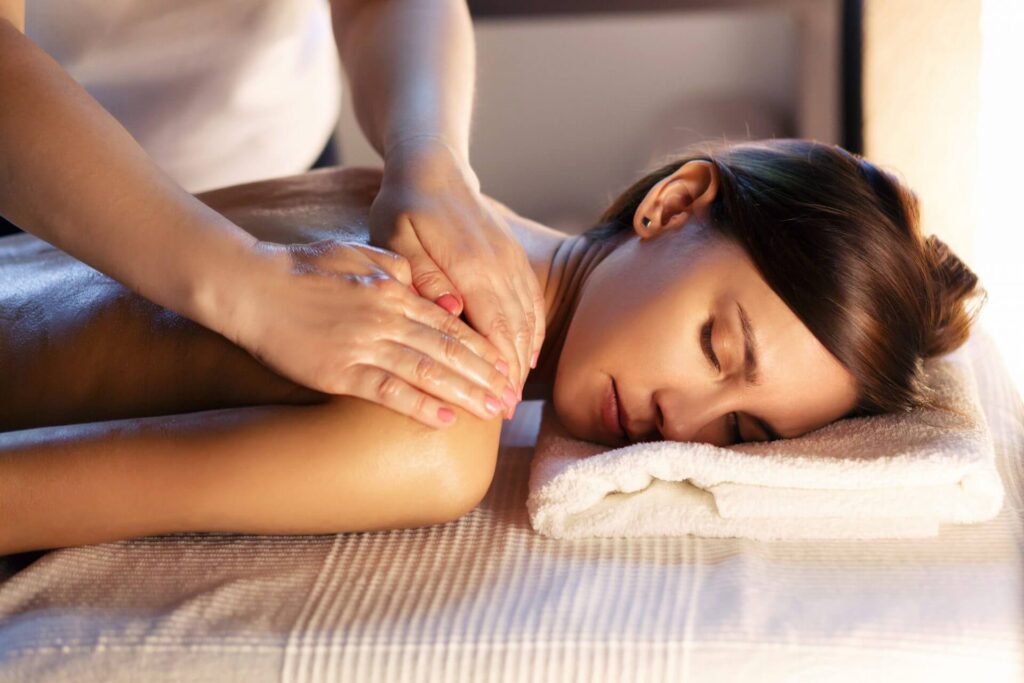
Swedish massage is one of the most popular techniques worldwide and a perfect choice for beginners. It uses long, flowing strokes, gentle kneading, and rhythmic tapping to calm the body and encourage full relaxation.
How Swedish Massage Works
A therapist uses light to moderate pressure, focusing on the outer layers of muscles. Techniques include effleurage (gliding strokes), petrissage (kneading), friction, and tapotement.
Main Benefits
- Reduces overall stress and anxiety
- Improves blood flow and oxygenation of tissues
- Eases mild muscle tension and stiffness
- Promotes deep relaxation and better sleep
- Enhances overall mood and emotional balance
Ideal For
People who want a soothing, relaxing experience without intense pressure.
2. Deep Tissue Massage: Targeting Chronic Pain and Muscle Knots
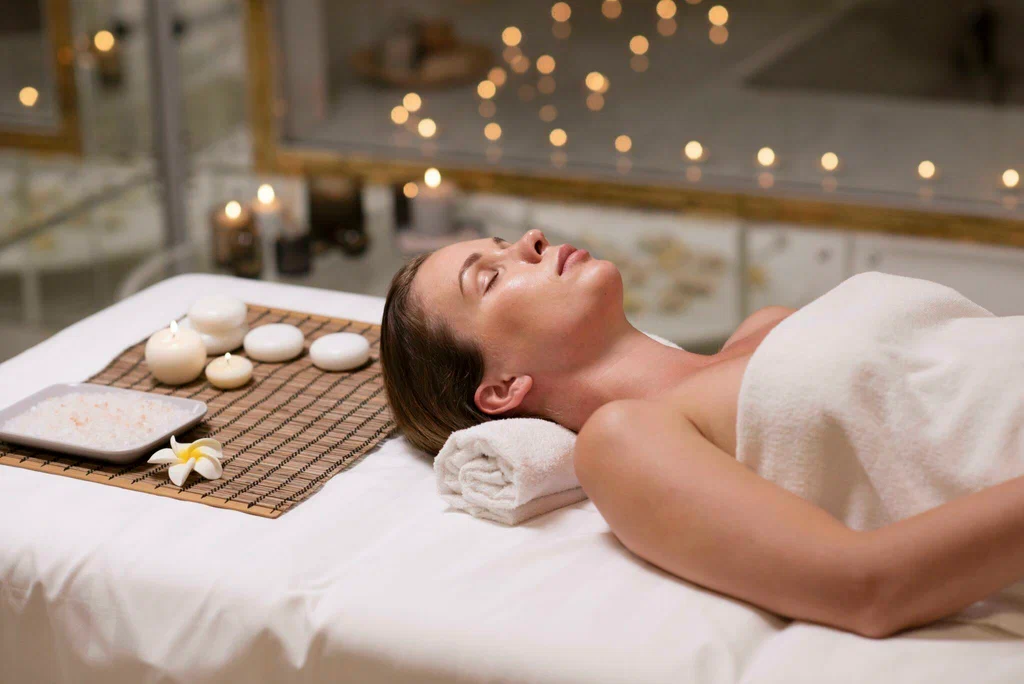
Deep tissue massage is known for its firm pressure and slow, concentrated strokes that reach deeper layers of muscle and connective tissue.
How Deep Tissue Massage Works
Therapists apply strong pressure using fingers, elbows, and forearms to release chronic tension, break down adhesions, and restore normal muscle function.
Main Benefits
- Reduces chronic back and neck pain
- Treats muscle knots and tightness
- Improves posture and mobility
- Helps with recovery from injuries
- Reduces inflammation and stiffness
Ideal For
Athletes, office workers with postural pain, and anyone suffering from chronic muscular tension.
3. Thai Massage: Stretching, Pressure Points, and Energy Balance
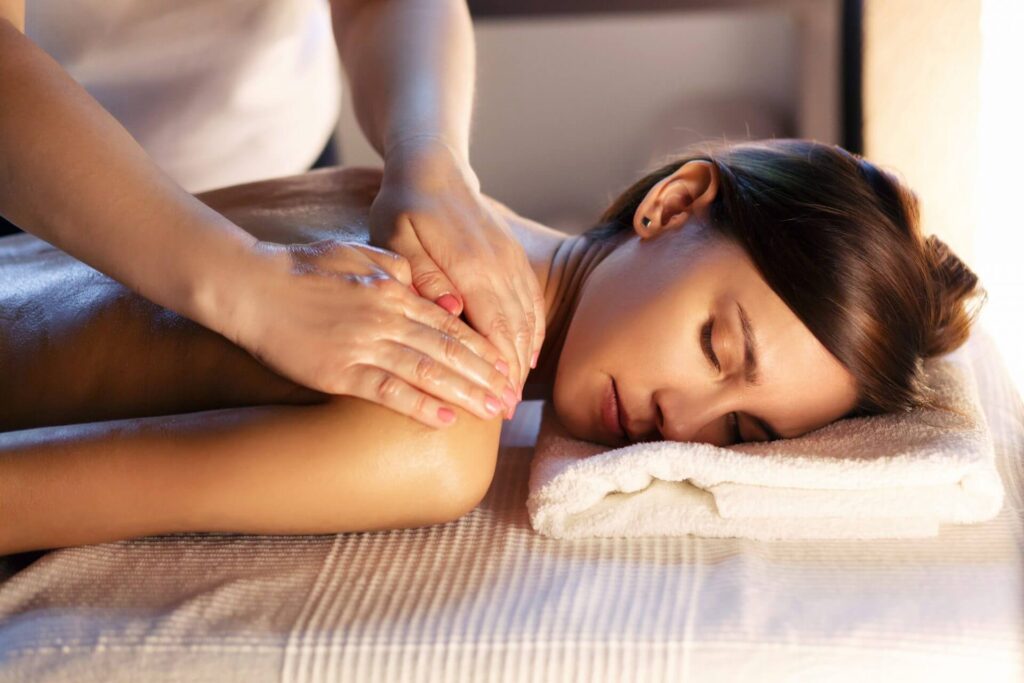
Thai massage is an ancient healing art combining acupressure, passive stretching, and rhythmic compression. Unlike typical table massage, Thai massage is performed on a mat, and clients remain fully clothed.
How Thai Massage Works
The therapist uses hands, elbows, knees, and even feet to stretch the body, open joints, and stimulate energy lines known as “Sen”.
Main Benefits
- Increases flexibility and range of motion
- Reduces joint stiffness
- Boosts energy levels
- Improves circulation
- Relieves stress through deep rhythmic movement
Ideal For
People who enjoy yoga-like stretches and want increased mobility and energy.
4. Sports Massage: Performance, Recovery, and Injury Prevention

Sports massage is designed for physically active individuals, athletes, gym enthusiasts, and people who frequently push their bodies.
How Sports Massage Works
It combines deep tissue techniques, stretching, compression, and trigger-point therapy. The focus is on muscles used during physical activity.
Main Benefits
- Enhances athletic performance
- Helps prevent injuries
- Reduces muscle soreness after workouts
- Improves flexibility and mobility
- Speeds up recovery
Ideal For
Runners, swimmers, gym-goers, dancers, and anyone with an active lifestyle.
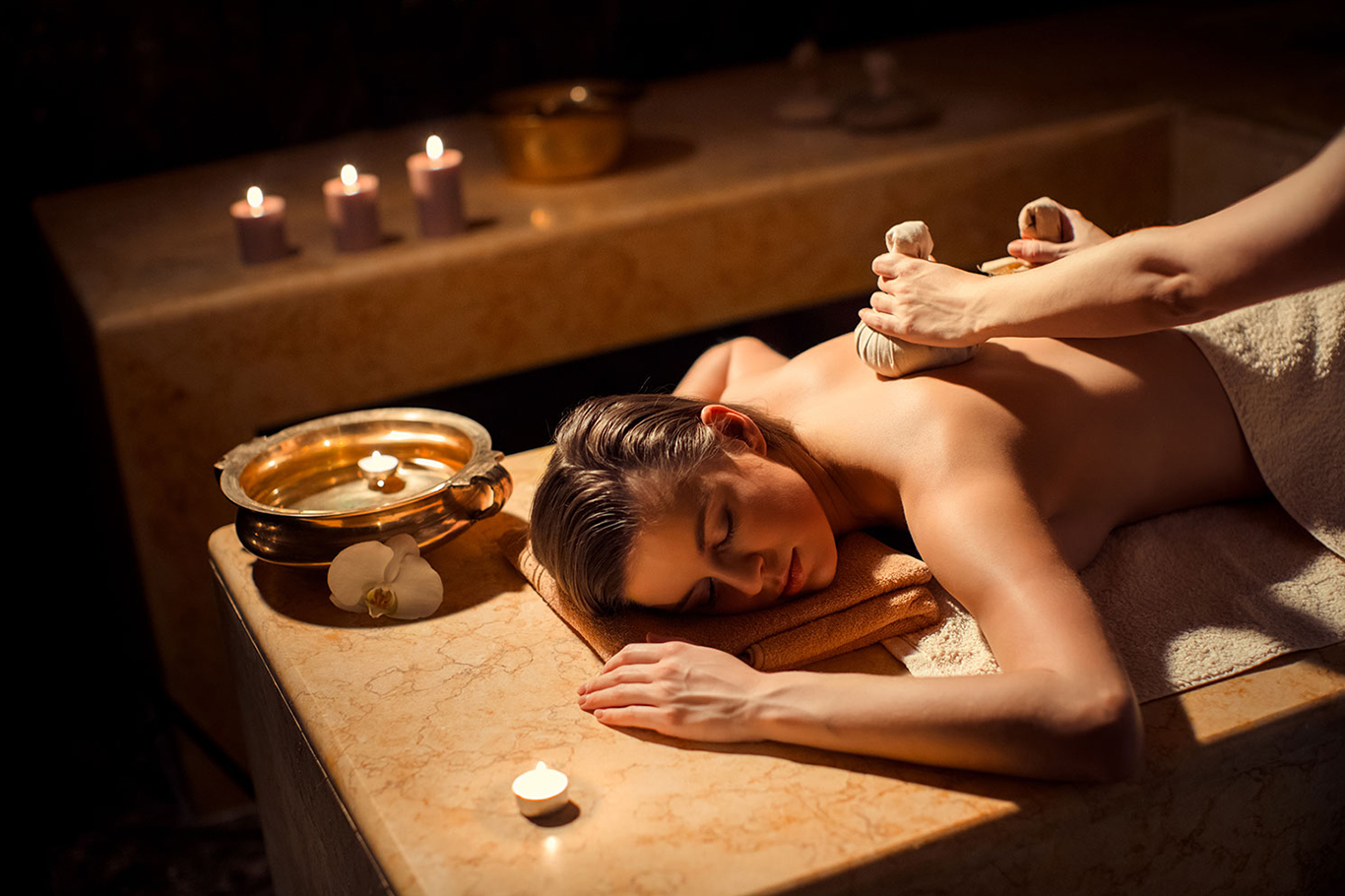
5. Hot Stone Massage: Deep Heat for Profound Relaxation

Hot stone massage uses smooth, heated stones placed on key points of the body. The warmth penetrates deep muscles, preparing them for gentle massage.
How Hot Stone Massage Works
Therapists glide warm stones across the body or place them strategically on tense areas like the back, shoulders, and spine.
Main Benefits
- Melts muscle tension through heat
- Improves circulation
- Promotes deep physical and mental relaxation
- Helps relieve insomnia
- Reduces stress and anxiety
Ideal For
Clients who need intense relaxation or suffer from cold sensitivity or tense muscles.
6. Aromatherapy Massage: Healing with Essential Oils
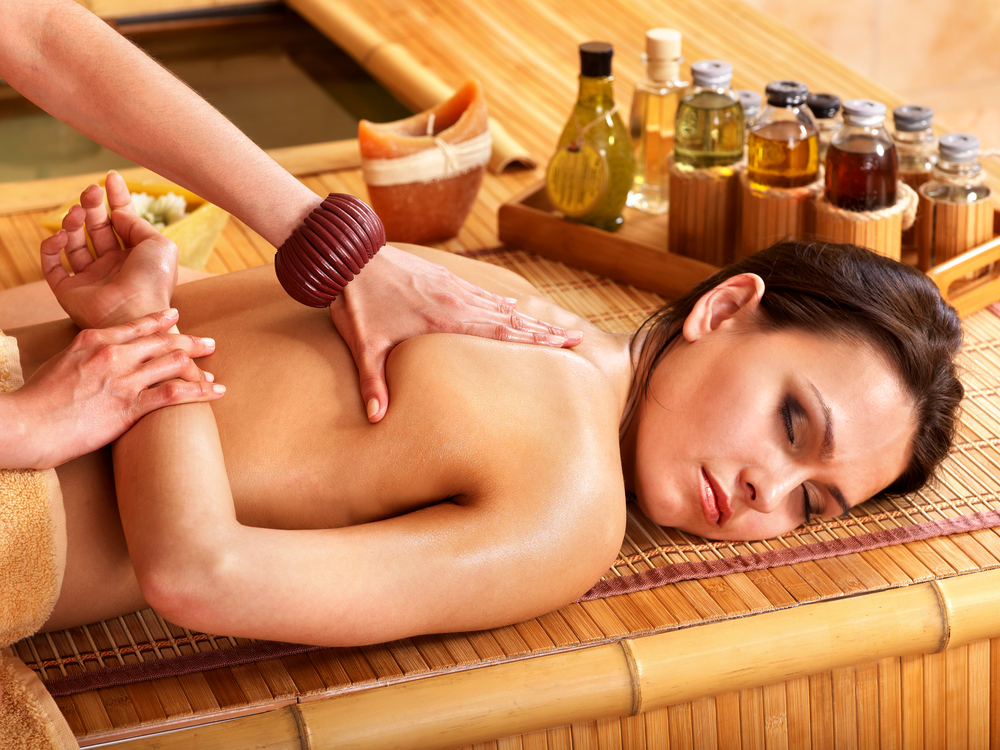
Aromatherapy massage combines traditional techniques with essential oils tailored to specific needs like stress relief, detoxification, or energy boost.
How Aromatherapy Massage Works
Therapists apply diluted essential oils to the skin through gentle massage. Popular oils include lavender, eucalyptus, peppermint, and chamomile.
Main Benefits
- Reduces stress and contributes to emotional healing
- Supports immunity and detoxification
- Enhances relaxation
- Improves sleep quality
- Helps with headaches and breathing issues
Ideal For
People seeking emotional balance, relaxation, or therapeutic fragrance-based benefits.
7. Reflexology: Healing Through the Feet, Hands, and Ears
Reflexology is based on the belief that specific points on the feet, hands, and ears correspond to organs and systems in the body.
How Reflexology Works
A therapist applies pressure to these points to restore energy flow, balance organs, and support natural self-healing.
Main Benefits
- Reduces stress and anxiety
- Boosts circulation
- Improves digestion
- Helps with headaches and hormonal imbalances
- Supports overall well-being
Ideal For
People who prefer not to undress or those seeking holistic healing.
8. Shiatsu Massage: Japanese Pressure-Point Therapy
Shiatsu is a Japanese technique using finger pressure along meridian lines to stimulate energy flow.
How Shiatsu Works
Rhythmic pressure is applied to acupoints using thumbs, palms, and sometimes elbows. The technique rebalances the body’s energy, known as Qi.
Main Benefits
- Reduces stress
- Improves sleep
- Boosts vitality and energy balance
- Eases tension headaches
- Supports emotional well-being
Ideal For
Clients who prefer clothed, pressure-based therapy rooted in Eastern medicine.
9. Prenatal Massage: Gentle Relief for Expecting Mothers
Prenatal massage focuses on the unique needs of pregnant women.
How Prenatal Massage Works
Therapists use safe, gentle techniques and special positioning to relieve pressure on joints and muscles affected by pregnancy.
Main Benefits
- Reduces lower-back pain
- Helps with swelling in legs and feet
- Improves sleep
- Reduces stress and anxiety
- Supports overall comfort during pregnancy
Ideal For
Expectant mothers after consulting with their healthcare provider.
10. Lymphatic Drainage: Detoxifying and Reducing Swelling
Lymphatic drainage is a gentle, rhythmic therapy that stimulates the lymphatic system to remove toxins and excess fluids.
How It Works
Light pressure and slow, sweeping motions encourage lymph flow and improve detoxification.
Main Benefits
- Reduces water retention
- Helps after surgery (when approved by a doctor)
- Improves immune function
- Reduces swelling and bloating
- Enhances skin health
Ideal For
People with swelling, fluid retention, or detoxification goals.
Mental and Emotional Benefits of Massage Therapy
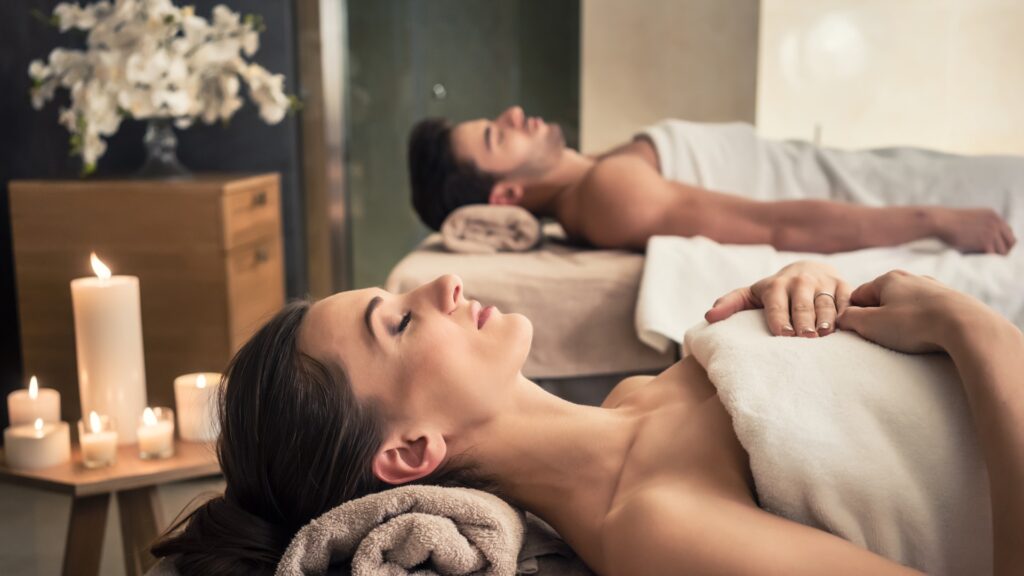
Massage therapy is not only about physical relief—it profoundly supports mental health.
Key Psychological Benefits
- lowers stress levels
- reduces symptoms of anxiety and depression
- improves emotional balance
- increases serotonin and dopamine
- enhances mindfulness
- promotes a sense of grounding and calm
In a world filled with pressure and information overload, massage becomes a reset button for the nervous system.
Why Professional Spas Deliver Better Results
While massage devices and home techniques can offer basic relief, professional spas guarantee a completely different level of care and effectiveness.
1. Certified and trained therapists
Professionals understand anatomy, muscle structure, and safe techniques tailored to each client.
2. High-quality oils and equipment
Premium massage oils, adjustable tables, heat pads, and aromatherapy tools enhance the experience.
3. Hygienic and peaceful environment
Clean, quiet spaces with calming music help the mind and body enter deep relaxation.
4. Personalized treatment plans
Therapists can adapt pressure, techniques, and oil types to match specific needs: pain relief, relaxation, detox, flexibility, or emotional balance.
5. Safety and professionalism
Proper draping, medical considerations, and technique adjustments protect clients from injury.
6. Access to multiple therapies
Modern spas often offer packages combining several techniques (e.g., hot stone + aromatherapy + deep tissue), maximizing results.
How to Choose the Right Massage Therapy for Your Needs
For stress relief:
Swedish, aromatherapy, hot stone
For chronic pain and stiffness:
Deep tissue, sports massage, Thai massage
For improved flexibility and mobility:
Thai, sports massage, stretching-focused treatments
For emotional balance and improved sleep:
Aromatherapy, Swedish, Shiatsu
For detox and swelling:
Lymphatic drainage
For holistic healing:
Reflexology, Shiatsu, aromatherapy
For pregnancy discomfort:
Prenatal massage (with medical approval)
The best choice depends on your goals, health condition, and personal comfort preferences.
How Often Should You Get a Massage?
- For stress relief: every 2–4 weeks
- For chronic pain: weekly or bi-weekly
- For sports performance: before or after intense training
- For maintenance: once a month
Regular sessions create long-term improvements in mobility, emotional balance, and overall health.
Preparing for Your Massage: Practical Tips
1. Stay hydrated
Drinking water before and after helps flush toxins released during the massage.
2. Avoid heavy meals
A light snack is fine, but a full stomach makes the experience uncomfortable.
3. Communicate with your therapist
Let them know your pressure preference, pain points, medical issues, and goals.
4. Arrive early
This helps you relax and transition to a calm state.
5. Rest afterward
Avoid intense workouts directly after a deep massage.
Conclusion: Massage Therapy as a Path to Holistic Health

Modern massage therapies offer far more than temporary relaxation. They provide deep healing for both body and mind, addressing chronic pain, stress, emotional imbalance, and physical limitations. With a wide variety of techniques—from Swedish and deep tissue to Thai, sports, aromatherapy, hot stone, shiatsu, and reflexology—anyone can find a treatment tailored to their needs.
Professional spas enhance the benefits through qualified therapists, high-quality tools, and serene environments that allow the body to regenerate and the mind to reset. In a world full of pressure and distraction, massage therapy stands as one of the most effective ways to restore balance, improve well-being, and cultivate long-term health.


Leave a Reply